When Does Your Pet Need an Abdominal Ultrasound in Casselberry?

When Does Your Pet Need an Abdominal Ultrasound in Casselberry?
Is your pet suddenly acting out of sorts, or perhaps showing unusual symptoms that leave you feeling concerned and uncertain about what is happening internally? As devoted pet owners, it can be distressing to see your dog or cat experience changes in appetite, discomfort, or unexplained illness. At 4 Paws Imaging FL, conveniently located at 195 Concord Dr, Casselberry, FL 32707, we understand how important it is to get clear answers about your pet’s health. Our specialty veterinary team offers advanced diagnostic tools such as abdominal ultrasound, providing a safe and non-invasive way to look inside your pet’s abdomen and pinpoint the cause of troubling symptoms.
In this blog, we will guide you through the signs that suggest your pet may benefit from an abdominal ultrasound, explain what this procedure involves, and describe how it helps your veterinarian make accurate diagnoses. Whether you live here in Casselberry or in one of the surrounding communities, our goal is to help you feel informed, empowered, and better prepared to support your pet’s wellbeing. To learn more about our specialized services, you can also visit our dedicated page on abdominal ultrasound services for pets at 4 Paws Imaging FL.
Recognizing When Your Pet May Need an Abdominal Ultrasound
Abdominal ultrasounds are powerful diagnostic tools, but how do you know when your pet might actually need one? For many pet owners, the first sign is a noticeable change in their pet’s normal behavior or routines. You may observe your dog or cat experiencing symptoms such as vomiting, diarrhea, or a sudden loss of appetite. Other warning signs include unexplained weight loss, visible abdominal swelling, discomfort when touched on the belly, or changes in urination and bowel habits.
Occasionally, pets may develop jaundice, which appears as a yellow tint to the gums or eyes, or they may seem lethargic and less interested in play or interaction. Persistent coughing, unexplained fever, or even subtle shifts like increased thirst can also signal internal health issues. Some owners notice their pet straining to urinate or defecate, or producing stools that look abnormal. When any of these symptoms last more than a day or two, or if they are severe, it is time to consult your veterinarian, who may refer you to a specialty clinic like 4 Paws Imaging FL for further evaluation.
Why Abdominal Issues Happen in Pets
Many different conditions can affect the organs within your pet’s abdomen, and these issues are not always visible from the outside. The abdomen contains vital organs like the liver, spleen, kidneys, bladder, stomach, intestines, pancreas, and reproductive organs. Problems can arise from infections, inflammation, tumors (benign or malignant), foreign body ingestion, trauma, urinary stones, or chronic diseases such as kidney or liver failure.
For example, a young dog that gets into the trash may swallow something that causes an intestinal blockage, leading to vomiting and pain. Older cats are at risk for kidney disease, which can develop gradually yet have a profound impact on overall health. In some cases, hormonal imbalances or metabolic disorders cause subtle changes that only advanced diagnostic imaging can reveal. Pregnancy, cysts, or abnormal fluid accumulation in the abdomen may also prompt your veterinarian to recommend ultrasound imaging for a more detailed assessment.
Understanding the underlying cause of your pet’s symptoms is essential to providing tailored, effective treatment. General examination and basic laboratory tests can offer important clues, but abdominal ultrasound allows veterinary professionals to look directly at the organs themselves, making it an invaluable resource for diagnosing many conditions.
How Abdominal Ultrasound Works and What to Expect
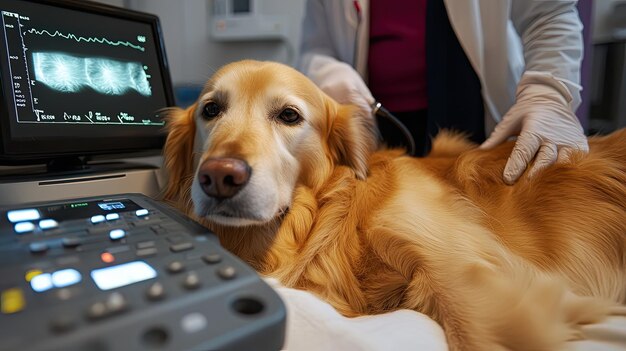
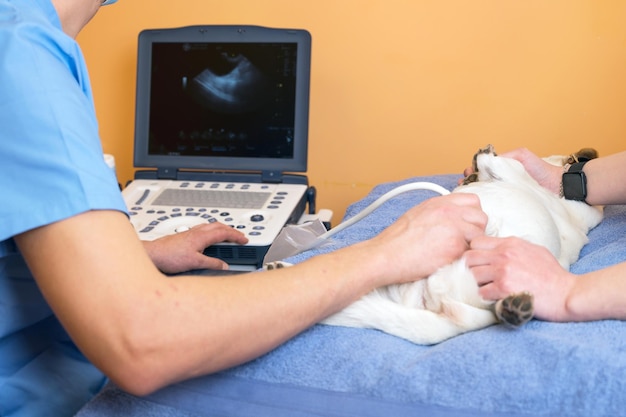
Abdominal ultrasound uses high-frequency sound waves to create real-time images of your pet’s internal organs. This technology is completely non-invasive and painless, making it especially suitable for anxious or fragile pets. The procedure requires specialized training and equipment, which is why your primary care veterinarian may refer you to a specialty practice like 4 Paws Imaging FL for this advanced diagnostic test.
During the appointment, your pet will be gently positioned on a padded table, and a small area of fur on the abdomen may be shaved to improve image quality. Ultrasound gel is applied to the skin, and the veterinary specialist moves a handheld probe over the area, capturing images that appear instantly on a monitor. Most pets tolerate the process very well, and sedation is rarely required unless your pet is particularly nervous or uncomfortable.
The veterinary professional will carefully examine each organ, looking for abnormalities such as masses, cysts, inflammation, stones, or fluid buildup. In some cases, the ultrasound can help guide fine-needle aspiration or biopsy if a sample is needed for further diagnosis. Results are typically discussed with your referring veterinarian, who will integrate the findings into your pet’s overall treatment plan.
If your pet is scheduled for this procedure, you may be asked to complete an Abdominal Patient History Form to provide detailed background information that aids in clinical interpretation.
Benefits of Abdominal Ultrasound for Pets
Abdominal ultrasound offers several important advantages for both pets and their owners. Unlike X-rays, ultrasound does not involve radiation exposure, and it provides much greater detail about soft tissue structures. This makes it ideal for detecting subtle changes in organ size, shape, or texture that might otherwise go unnoticed. It is also an excellent way to monitor ongoing conditions or evaluate the effectiveness of certain treatments.
Because the procedure is so gentle, it is often recommended for older pets or those with chronic illnesses who may not tolerate more invasive diagnostics. Ultimately, the ability to visualize your pet’s organs in real time allows for more accurate, timely decision-making and helps guide the most appropriate course of action for your pet’s unique situation.
What Pet Owners Can Do at Home
While only a veterinary professional can diagnose internal health problems, there are important steps you can take to help support your pet’s wellbeing and provide valuable information to your veterinary team. Keeping a close eye on your pet’s eating habits, activity level, and bathroom routines can help you spot potential problems early. Recording any changes in appetite, thirst, or behavior is helpful, especially if you need to share these details with your veterinarian.
Providing a safe environment free from hazardous objects or toxic foods reduces the risk of accidental ingestion—a common cause of abdominal emergencies. Maintaining a consistent feeding schedule and offering a balanced, species-appropriate diet supports digestive health and can help prevent many common gastrointestinal issues.
When your pet is scheduled for an abdominal ultrasound, following any pre-procedure instructions from your veterinarian will ensure the best possible imaging results. This may include fasting for several hours or withholding certain medications. Always ask your veterinarian if you have questions about how to prepare or what to expect.
When to Seek Specialty Veterinary Care
It is not always easy to know when a symptom warrants specialized imaging like an abdominal ultrasound, but certain situations call for prompt attention. If your pet is experiencing persistent vomiting or diarrhea, severe abdominal pain, sudden bloating, difficulty urinating, or signs of shock such as pale gums and weakness, you should contact your primary care veterinarian immediately. In these cases, your veterinarian may quickly refer you to a specialty clinic like 4 Paws Imaging FL for further diagnostics.
Even when symptoms seem mild, any unexplained or long-lasting changes in appetite, energy level, or bathroom habits should be evaluated by a veterinary professional. Early intervention can make a significant difference in your pet’s outcome. Timely referral to a specialty practice for advanced imaging ensures that your pet receives the most precise diagnosis and targeted care possible.
As a specialty imaging center, our veterinary team at 4 Paws Imaging FL works closely with your regular veterinarian to provide the highest standard of diagnostic support. We are equipped to handle complex cases that require in-depth evaluation, and we are dedicated to delivering clear, compassionate communication every step of the way.
Your Next Steps: Supporting Your Pet with Advanced Care
When your pet’s health is at stake, having access to advanced diagnostic tools and experienced veterinary professionals can give you peace of mind. At 4 Paws Imaging FL, we are committed to providing high-quality abdominal ultrasound services to pets in Casselberry and surrounding communities. From the moment you contact us to the final review of your pet’s results, our veterinary team is here to guide you with expertise, empathy, and respect.
If your veterinarian has recommended an abdominal ultrasound, or if you are searching for a specialty vet near me for diagnostic imaging, we invite you to reach out to our clinic. You can find more information about abdominal ultrasound services for pets or access the Abdominal Patient History Form to prepare for your visit. Our location at 195 Concord Dr, Casselberry, FL 32707 is easily accessible for local pet owners in Casselberry and beyond.
For any questions or to schedule a referral-based appointment, please call (321) 343-4758. Our veterinary team is dedicated to supporting your pet’s health and helping you get the answers you need. If you are ever unsure whether your pet requires specialty care, do not hesitate to contact your primary care veterinarian for guidance or request a referral to our practice. Your pet’s comfort, safety, and long-term health are always our highest priorities.
This blog is for educational purposes only and does not replace professional veterinary consultation. If your pet is experiencing urgent symptoms, contact your veterinarian immediately.