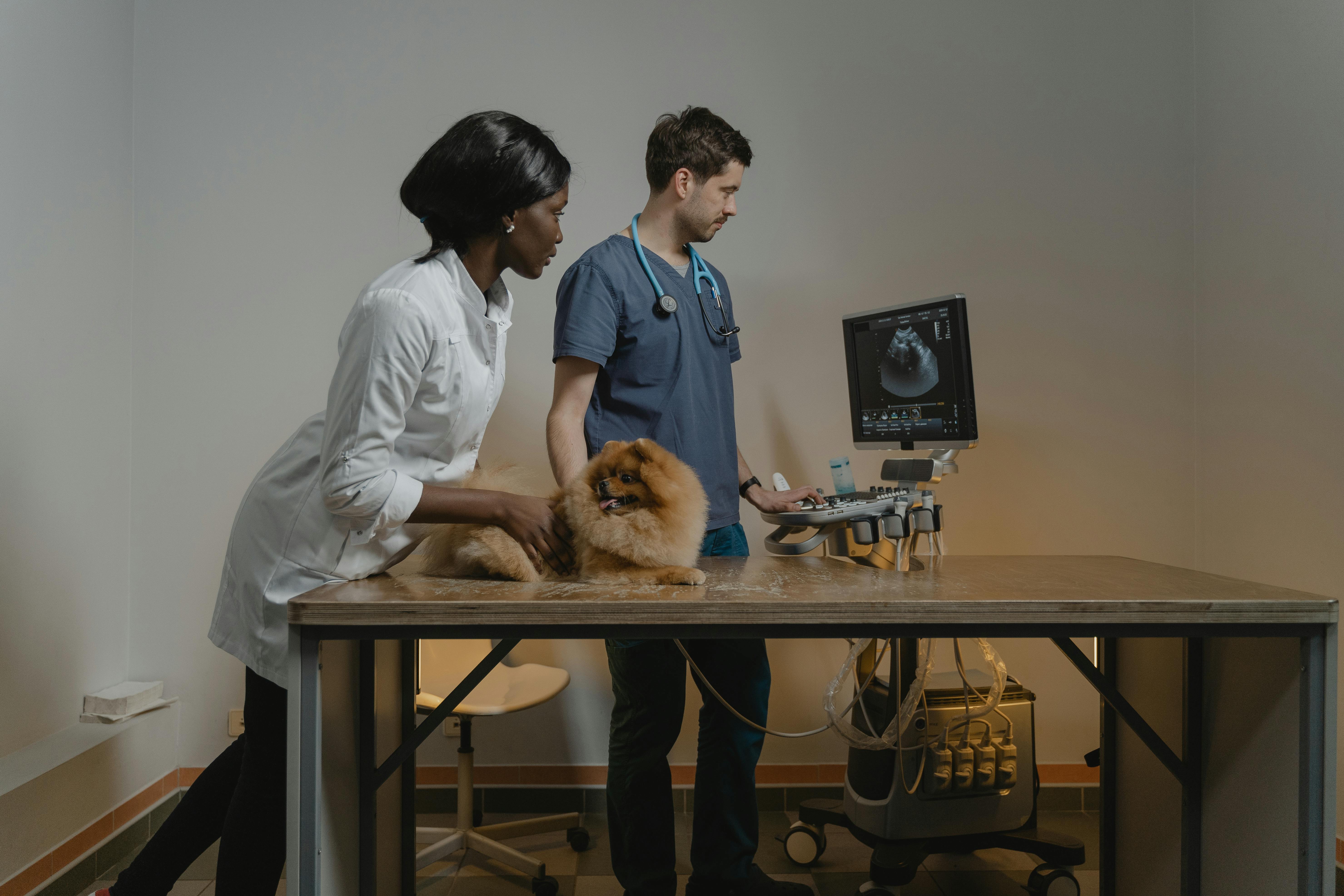
Why Your Vet Might Refer for a Pet Ultrasound in Casselberry
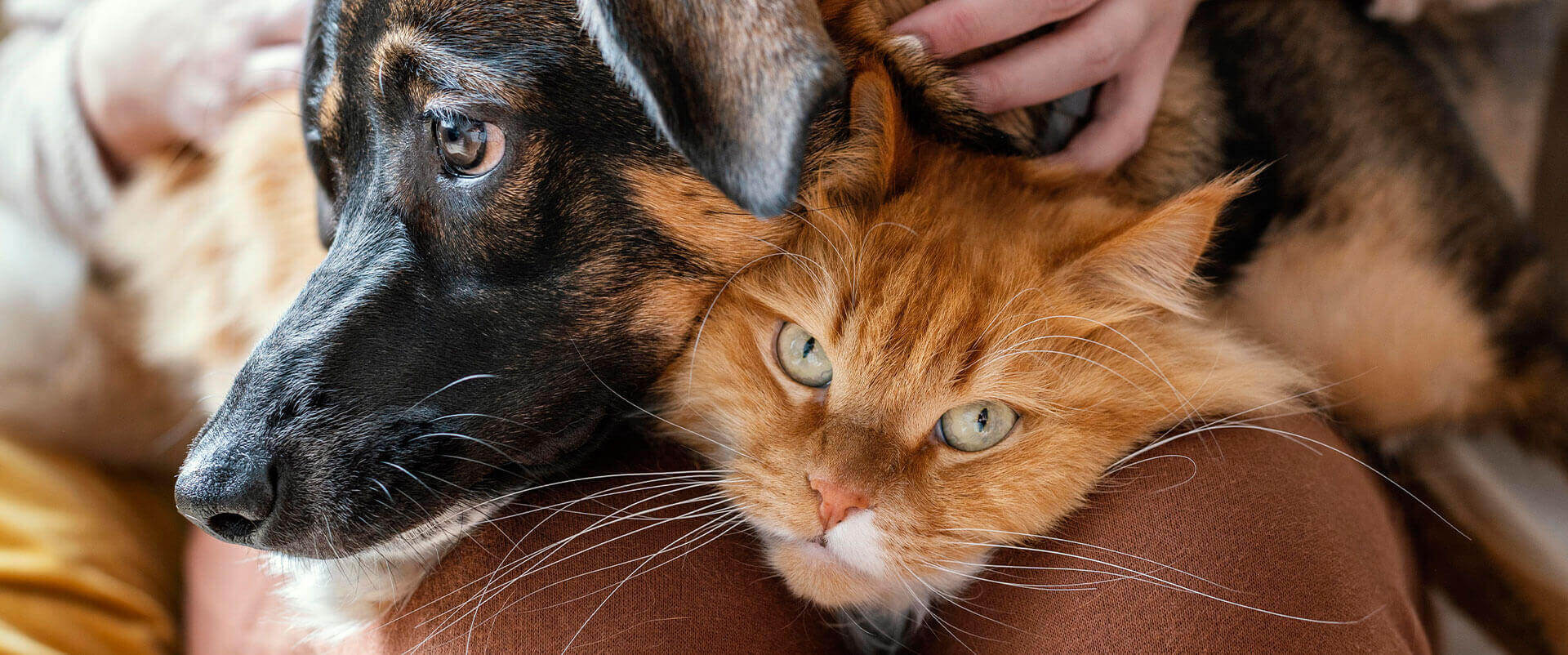

Why Your Vet Might Refer for a Pet Ultrasound in Casselberry
When your primary care veterinarian recommends a referral for an ultrasound, it’s completely natural to feel a mix of concern and curiosity. You might be wondering why this advanced imaging test is necessary, what it will reveal, and how it will help your pet. At 4 Paws Imaging FL, located at 195 Concord Dr, Casselberry, FL 32707, our specialty veterinary team is dedicated to providing clear answers and peace of mind through high-resolution, non-invasive imaging services. Serving Casselberry and surrounding communities, we work closely with your family veterinarian to ensure your pet receives the most accurate diagnoses and tailored treatment recommendations possible.
In this blog, we’ll walk you through the most common reasons your veterinarian might recommend an ultrasound for your dog or cat, what to expect during the process, and how specialty veterinary imaging supports better health outcomes. We’ll also explain the types of ultrasounds and cardiac studies available to pets in Casselberry, including abdominal, heart, and thyroid imaging, as well as what makes specialty imaging different from general veterinary care. By the end, you’ll feel confident and informed about your pet’s next steps and know exactly where to turn for a specialty ultrasound vet near me.
Understanding When Your Pet Needs an Ultrasound
Ultrasound is a powerful diagnostic tool that helps veterinarians see inside your pet’s body in real time, providing detailed images of organs, tissues, and blood flow. Your veterinarian may refer your pet to a specialty imaging center like 4 Paws Imaging FL for several reasons. Common signs prompting a referral include unexplained vomiting or diarrhea, weight loss, changes in appetite, or abnormal lab results. Sometimes, your pet may show signs such as persistent coughing, difficulty breathing, or episodes of weakness, which can indicate underlying heart or organ issues that need further investigation.
Veterinarians also recommend ultrasounds when they need to monitor the progression of a known condition, check for tumors or masses, or confirm a pregnancy in a pet. For example, if your dog has ongoing urinary troubles or your cat has elevated kidney values, an abdominal ultrasound can provide key answers that routine X-rays cannot. In other cases, a heart murmur heard during a physical exam might prompt your veterinarian to recommend a specialized cardiac ultrasound, called an echocardiogram, to assess heart structure and function.
Recognizing these signs early and seeking advanced imaging as recommended can make a crucial difference in your pet’s prognosis. When your regular veterinarian suggests a referral, it means they want the most thorough and accurate information possible to guide your pet’s care.
Why Do Pets Need Specialty Imaging, and How Does It Work?
Veterinary ultrasound goes far beyond the capabilities of standard physical exams or basic imaging like X-rays. At 4 Paws Imaging FL, our advanced equipment and extensive training allow us to capture high-definition images of your pet’s internal organs, heart, and endocrine glands without the need for invasive procedures. The process is completely painless and typically does not require sedation for most dogs and cats.
There are several types of ultrasounds and cardiac studies that may be recommended based on your pet’s specific needs. An abdominal ultrasound allows us to evaluate organs such as the liver, kidneys, spleen, bladder, and intestines for changes that might not be visible through other means. If your veterinarian suspects heart disease, an echocardiogram provides a thorough look at the heart’s chambers, valves, and blood flow, helping to diagnose conditions like cardiomyopathy or valve disorders. For pets with suspected thyroid issues, a thyroid ultrasound offers detailed imaging of the thyroid gland to identify nodules or enlargement.
These advanced studies are interpreted by skilled veterinary professionals with specialized training, ensuring that your family veterinarian receives a comprehensive, actionable report. The collaboration between your primary veterinarian and our specialty imaging team means your pet benefits from a true partnership in care, combining the strengths of both general practice and advanced diagnostics.
What to Expect During a Veterinary Ultrasound Referral
When your pet is referred to 4 Paws Imaging FL, our goal is to make the experience as comfortable and stress-free as possible. We begin by reviewing your pet’s medical history, previous lab results, and your veterinarian’s concerns. During the appointment, your pet will be gently positioned on a padded table. For most ultrasounds, a small area of fur is shaved to allow for better contact with the ultrasound probe. The procedure is non-invasive and typically takes between 30 and 60 minutes, depending on the type of study.
Throughout the process, a dedicated veterinary professional monitors your pet’s comfort and explains each step. We understand that leaving your pet with a specialist can feel daunting, so we prioritize communication and transparency at every stage. Once the imaging is complete, our team provides a detailed report to your referring veterinarian, who will then discuss the results and treatment options with you.
If additional cardiac monitoring is needed, such as an electrocardiogram or a Holter monitor, we can provide these services during the same visit or as recommended by your referring veterinarian. These tests help diagnose arrhythmias or intermittent heart conditions that might not be apparent during a routine exam.
The Benefits of Advanced Veterinary Imaging
Choosing specialty imaging for your pet offers several important advantages. First, ultrasound and cardiac studies provide real-time, detailed information that can lead to faster and more accurate diagnoses. This means your veterinarian can make targeted treatment recommendations, avoiding unnecessary medications or surgeries. Early detection of issues such as tumors, organ dysfunction, or heart disease allows for more effective intervention and better long-term outcomes.
For pets with chronic or complex medical conditions, advanced imaging is invaluable for monitoring changes over time. For example, regular abdominal ultrasounds help track the progression of liver or kidney disease, while follow-up echocardiograms can assess the response to heart medications. In cases of suspected pregnancy, a pregnancy ultrasound confirms fetal development and helps anticipate any potential complications.
Because these procedures are non-invasive, there is minimal risk and virtually no recovery time. Most pets return to their normal activities immediately after their visit. By working with a specialty imaging provider, you and your veterinarian gain access to the latest technology and expertise, ensuring your pet receives the highest standard of care.
What Pet Owners Can Do at Home While Awaiting Imaging
While you’re waiting for your pet’s ultrasound appointment, there are several steps you can take to ensure the best possible experience. Keeping your pet comfortable and maintaining their regular routine helps minimize stress. If your veterinarian has recommended fasting before the appointment, follow these instructions carefully, as an empty stomach may be necessary for certain abdominal studies.
Monitor your pet for any changes in behavior or new symptoms leading up to the appointment, and jot down questions you may have for the veterinary imaging team. Bringing a list of medications and recent health changes can help the specialists tailor their approach to your pet’s unique needs. Remember that your family veterinarian and the 4 Paws Imaging FL team are working together to provide seamless, coordinated care.
When to Seek Veterinary Care Right Away
While most ultrasounds are scheduled on a referral basis, there are situations where immediate veterinary attention is necessary. If your pet is experiencing sudden collapse, difficulty breathing, severe abdominal swelling, or unrelenting pain, contact your primary care veterinarian or an emergency clinic immediately. These signs can indicate life-threatening conditions that require urgent intervention.
After hours or in the event of a critical symptom, general practitioners may refer you directly to an emergency facility for stabilization before specialty imaging can be performed. Always trust your instincts as a pet owner; if you are worried about your pet’s wellbeing, prompt veterinary evaluation is the safest choice.
For non-urgent but persistent health issues, following through with your veterinarian’s recommendation for a specialty ultrasound is an important step in finding answers and developing an effective treatment plan.
Specialty Imaging: Supporting Your Pet's Health Journey
At 4 Paws Imaging FL, our mission is to support Casselberry’s pets and their families by providing the most accurate and compassionate diagnostic imaging available. We recognize that every referral is an act of trust, and we work closely with your primary care veterinarian to ensure your pet’s needs are fully understood and addressed. From abdominal ultrasounds to echocardiograms and thyroid imaging, our specialty services are designed to give you and your veterinarian the answers you need to make informed decisions about your pet’s care.
If you are searching for a specialty ultrasound vet near me, rest assured that our veterinary professionals in Casselberry are equipped with advanced technology and a compassionate approach. We invite you to reach out to your family veterinarian for a referral, or contact our team directly with any questions about the imaging process.
For more information about our services or to learn how specialty imaging can benefit your pet, visit our website at 4pawsimagingFL.com or call us at (321) 343-4758. Our veterinary imaging team is here to provide answers, support, and the highest standard of care for your beloved companion.
This blog is intended for informational purposes only and does not replace professional veterinary advice. Always consult your veterinarian regarding your pet’s specific health needs.