Echocardiogram for Dogs Near Me: What to Expect in Casselberry
Echocardiogram for Dogs Near Me: What to Expect in Casselberry
Is your dog showing signs of heart trouble or has your family veterinarian recommended a specialized cardiac evaluation? If you are searching for an "echocardiogram for dogs near me" in Casselberry or the surrounding communities, you are likely feeling both concerned and hopeful for clear answers. At 4 Paws Imaging FL, located at 195 Concord Dr, Casselberry, FL 32707, we specialize in advanced veterinary imaging, including echocardiograms, to help pet owners and primary care veterinarians make confident decisions about heart health. In this guide, we will walk you through when an echocardiogram might be needed for your dog, what the procedure entails, how results are interpreted, and how our dedicated veterinary professionals support you and your pet every step of the way. If you are looking for comprehensive cardiac imaging, our echocardiogram services for pets are designed to provide the answers you need with compassion and expertise.
Recognizing Heart Concerns in Dogs: When Is an Echocardiogram Needed?
Pet owners often wonder when it is time to consider advanced cardiac imaging. Recognizing the early signs of heart disease in dogs can be challenging because many symptoms overlap with other conditions or progress gradually. Common warning signs include persistent coughing, increased breathing effort or rapid breathing, unexplained fatigue, reluctance to exercise, fainting or collapsing episodes, and noticeable weight loss. Some dogs may also develop a swollen abdomen due to fluid accumulation or show changes in appetite.
Veterinarians may also detect a heart murmur, irregular heartbeat, or abnormal sounds during a routine examination. At this stage, your primary care veterinarian may refer your dog for an echocardiogram to determine the underlying cause and severity of the suspected heart condition. This specialized, non-invasive imaging test provides a detailed look at your dog's heart structure and function and is often essential for accurate diagnosis and effective management.
Understanding Heart Disease in Dogs: Why and How It Develops
Heart disease in dogs can arise from a variety of causes, making advanced diagnostics such as an echocardiogram crucial for clarity. The most common types include chronic valvular disease, which often affects small to medium breeds as they age, and dilated cardiomyopathy, which is seen more frequently in larger breeds. Congenital heart defects are present from birth and may manifest in puppies or young adults, whereas acquired heart conditions develop over time due to aging, infections, or secondary to other health problems.
Factors contributing to canine heart disease range from genetic predisposition and breed-related risks to lifestyle and concurrent illnesses. Environmental stressors, high-sodium diets, and certain infections can also play a role. While some heart conditions remain stable for years, others may progress rapidly, making timely and accurate diagnosis essential. An echocardiogram is the gold standard for evaluating the heart's chambers, valves, and blood flow, giving veterinary professionals the information needed to tailor treatment and monitoring plans to each dog's unique needs.
What Happens During an Echocardiogram for Dogs in Casselberry?
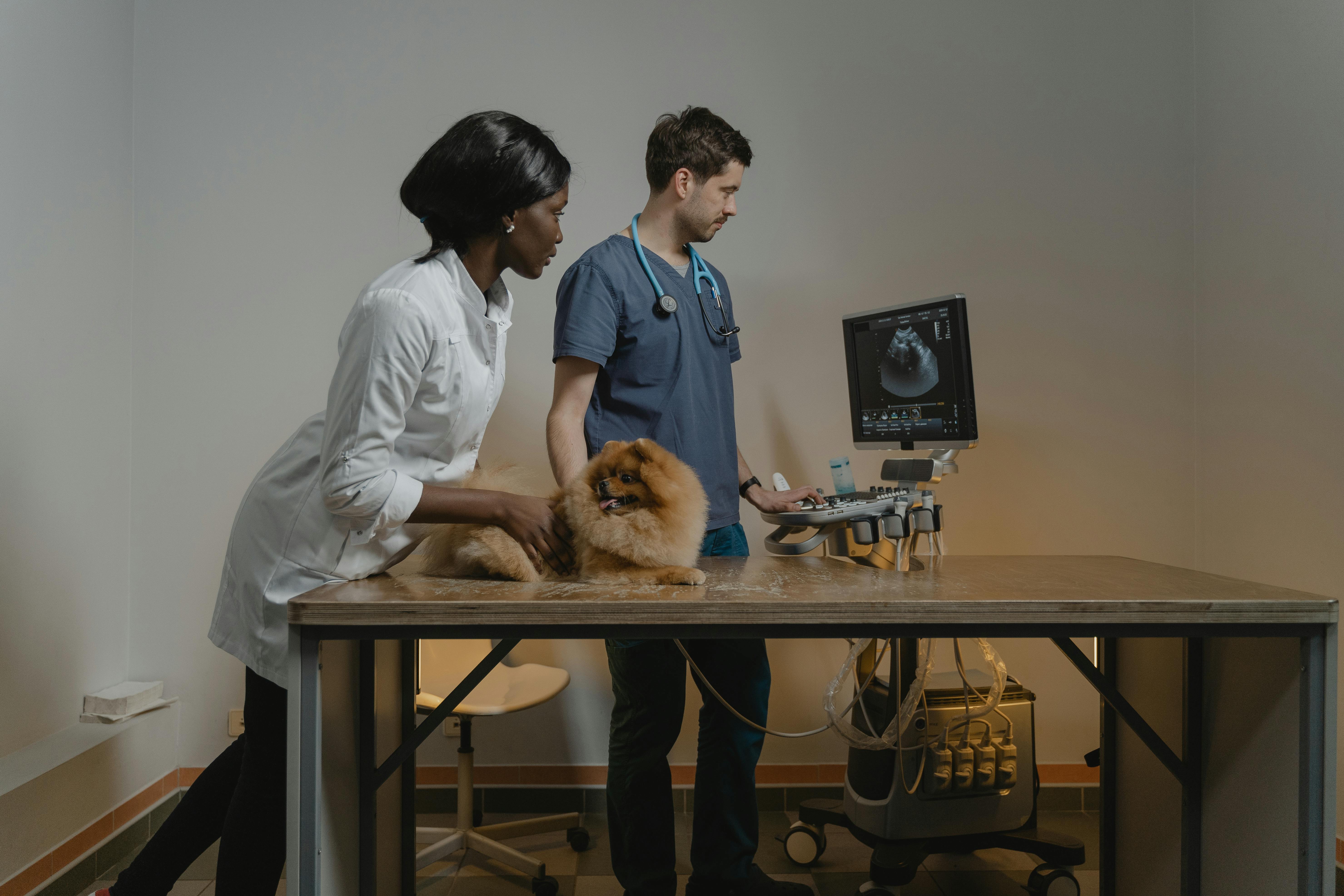
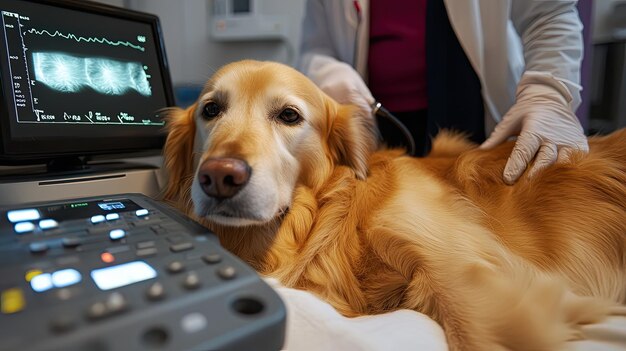
When your veterinarian refers your pet for an echocardiogram at 4 Paws Imaging FL, you can expect a caring, efficient, and thorough process that prioritizes both your dog's comfort and the accuracy of results. Our veterinary professionals will review your dog's history and current symptoms before the procedure. On the day of the appointment, your dog will be gently positioned on a cushioned table, typically lying on their side. The area over the chest is clipped and a special gel is applied to ensure optimal contact with the ultrasound probe.
This advanced imaging test uses sound waves to create real-time, moving images of the heart, allowing our team to evaluate heart size, wall thickness, chamber dimensions, valve function, and blood flow patterns. The exam is painless and usually takes between 30 and 60 minutes, depending on your dog’s cooperation and the complexity of the case. Most dogs do not require sedation, but if your pet is especially anxious, our team will discuss safe options to help keep them relaxed.
After the scan, the images and measurements are interpreted by a board-certified veterinary cardiologist. This ensures a high level of diagnostic accuracy and guides your primary care veterinarian in developing the best treatment plan. Our echocardiogram ultrasounds for pets page offers more details about our process and the expertise available at our Casselberry imaging center.
Additional Cardiac Diagnostics: When Are ECGs and Holter Monitors Recommended?
In some cases, an echocardiogram is just one part of a thorough cardiac assessment. If your dog’s symptoms suggest an abnormal heart rhythm or if the echocardiogram reveals electrical conduction issues, your veterinarian may recommend an electrocardiogram (ECG) or a Holter monitor. An ECG provides a snapshot of the heart’s electrical activity during the visit, while a Holter monitor records heart rhythms continuously over 24 hours or longer, especially helpful for detecting intermittent arrhythmias.
These additional tools are invaluable for diagnosing arrhythmias that could cause fainting spells or exercise intolerance. By combining the structural insights of an echocardiogram with the functional data from ECGs and Holter monitors, our team can deliver a comprehensive evaluation of your dog’s cardiac health. For more information on these services, visit our Holter monitor page.
How to Prepare Your Dog for an Echocardiogram: Practical Tips
Most dogs tolerate echocardiograms with minimal stress, but a little preparation can make the process smoother. Before the appointment, it is helpful to keep your dog calm and avoid strenuous exercise. If your dog is prone to anxiety at the veterinary clinic, discuss this with our team in advance; we can offer guidance or mild sedation options if needed.
It is generally recommended that your dog arrives with an empty stomach if sedation may be required, but always follow the specific preparation instructions provided during your scheduling call. Make sure to bring any relevant medical records or referral notes from your primary veterinarian. Completing our Echocardiogram Patient History Form ahead of time can also streamline your visit and ensure our specialists have all the information needed to tailor the exam for your pet.
What to Expect After the Echocardiogram: Interpreting Results and Next Steps
Following the echocardiogram, our board-certified cardiologist will review the images and provide a detailed report to your primary care veterinarian. This report includes measurements of heart chambers, evaluation of valve performance, detection of any abnormal blood flow, and a summary of any structural changes. Your referring veterinarian will discuss the results with you, including the diagnosis, prognosis, and treatment options if a heart condition is identified.
Treatment strategies vary depending on the diagnosis. In many cases, early detection through an echocardiogram allows for medical management that can improve quality of life and potentially slow the progression of heart disease. Some dogs benefit from heart medications, special diets, or lifestyle changes, while others may require more frequent monitoring. Our team is committed to clear communication and collaborative care, working closely with your family veterinarian to ensure the best outcome for your pet.
Preventing Heart Disease: What Can Pet Owners Do?
While not all forms of heart disease are preventable, proactive care and prompt attention to symptoms can make a significant difference. Regular wellness exams with your primary veterinarian are vital for early detection, especially for breeds at higher risk of cardiac conditions. Maintaining a healthy weight, providing a balanced diet low in sodium when recommended, and ensuring regular exercise help support your dog’s overall heart health.
If your dog has been diagnosed with a heart condition, follow your veterinarian’s recommendations closely, including medication schedules, dietary changes, and scheduled rechecks. Monitor your pet for any changes in breathing, activity, or appetite, and seek veterinary advice if new symptoms arise. Staying informed and actively involved in your pet’s care is the best way to support a long and happy life.
When to Seek Referral-Level Cardiac Imaging in Casselberry
If your primary care veterinarian detects a heart murmur, arrhythmia, or other signs of possible heart disease, referral to a specialty imaging center is the next logical step. Some pet owners also seek advanced diagnostics when their dog’s symptoms persist despite initial treatment, or if they want a second opinion regarding a complex cardiac issue.
At 4 Paws Imaging FL, we serve as a trusted referral destination for veterinarians throughout Casselberry and nearby communities. Our advanced cardiac ultrasound technology, combined with board-certified cardiologist interpretation, ensures your dog receives the highest standard of care. If you are searching for a "cardiology vet near me," our specialty team is dedicated to delivering clear answers with compassion and expertise.
Compassionate Cardiac Care: Contact 4 Paws Imaging FL for Your Dog’s Echocardiogram
Your dog’s heart health is too important to leave to chance. Whether your primary veterinarian has recommended advanced imaging or you have noticed concerning symptoms, the team at 4 Paws Imaging FL is here to help you every step of the way. Our specialty imaging center at 195 Concord Dr, Casselberry, FL 32707 offers a full range of services, from echocardiogram ultrasounds to electrocardiograms and Holter monitors, all interpreted by experienced veterinary professionals.
If you are searching for an "echocardiogram for dogs near me" in Casselberry or surrounding communities, trust your pet’s heart to our expertise. To learn more or to schedule a referral, call (321) 343-4758 or visit our website. We are committed to providing compassionate, specialized care that supports both you and your primary veterinarian. Let us help you find the answers your dog deserves and support their heart health for years to come.
This blog is intended for informational purposes only and does not replace individualized veterinary advice. Always consult your veterinarian regarding your pet’s specific health needs or before making changes to their care plan.
For more in-depth details about our services, visit our echocardiogram services page or explore our full suite of veterinary imaging offerings.