Is Your Pet a Candidate for a Heart Ultrasound in Casselberry?

Is Your Pet a Candidate for a Heart Ultrasound in Casselberry?
When your beloved dog or cat starts showing subtle signs of illness, the worry can set in quickly, especially when you suspect a heart problem. Heart disease in pets is often silent at first, which is why early and accurate diagnosis is crucial. At 4 Paws Imaging FL, located conveniently at 195 Concord Dr, Casselberry, FL 32707, our team of veterinary imaging professionals specializes in advanced diagnostics such as echocardiograms (heart ultrasounds) for dogs and cats. If you are wondering whether your pet may be a candidate for a heart ultrasound, this blog will help you understand the signs to watch for, why your veterinarian may recommend this procedure, and what to expect when you visit our specialty clinic in Casselberry.
Throughout this post, you’ll discover when heart ultrasounds are most beneficial, how these advanced imaging techniques reveal vital information about your pet’s health, and how our specialized services support both pet owners and referring veterinarians in Casselberry and surrounding communities. If you’re interested in learning more about our advanced cardiac diagnostics, including our comprehensive echocardiogram services, you’re in the right place.
Recognizing the Signs: When Might Your Pet Need a Heart Ultrasound?
Heart disease in pets can be challenging to detect early, but certain warning signs may prompt your primary veterinarian to consider advanced cardiac imaging. Dogs and cats can develop a range of heart conditions, including congenital heart defects, acquired valve diseases, and cardiomyopathies, all of which may go unnoticed until symptoms become more pronounced.
Key symptoms that may indicate an underlying heart issue include persistent coughing, rapid or labored breathing, exercise intolerance, fainting or collapsing episodes, a bluish tint to the gums or tongue, and sudden weakness. In some cases, your pet may exhibit a decreased appetite, weight loss, or a potbellied appearance due to fluid accumulation. Some owners notice that their pet tires more quickly during walks or play sessions. While these signs can be caused by many different health conditions, they are often the first clues that prompt your family veterinarian to recommend further evaluation.
For cats, heart disease can be especially difficult to recognize, as many felines hide their symptoms until the disease is advanced. Owners may only observe subtle changes, such as decreased activity or hiding more often. In both dogs and cats, the presence of a heart murmur or abnormal heart rhythm during a routine veterinary examination is frequently the reason a heart ultrasound is suggested.
Why Heart Disease Develops: Understanding the Causes
Heart disease in pets can arise from a range of factors, some of which are present from birth, while others develop with age or secondary to other health problems. Congenital heart defects, such as ventricular septal defects or patent ductus arteriosus, are present from a young age and often detected during puppy or kitten visits. Acquired conditions, including chronic valve disease in older dogs or hypertrophic cardiomyopathy in adult cats, tend to manifest gradually over time.
Additional contributing factors involve breed predispositions; certain breeds have a higher risk for specific heart conditions. For example, Cavalier King Charles Spaniels are prone to mitral valve disease, while Maine Coon cats are at increased risk for hypertrophic cardiomyopathy. Other causes may include infections, high blood pressure, thyroid disorders, or complications from other systemic illnesses.
Your family veterinarian may perform initial screening tests, such as chest X-rays, blood work, or a basic electrocardiogram, but these sometimes do not provide enough information for a definitive diagnosis. When further clarity is needed, referral to a specialty imaging clinic like 4 Paws Imaging FL for an echocardiogram can be a crucial next step.
What to Expect: Echocardiograms and Advanced Cardiac Imaging
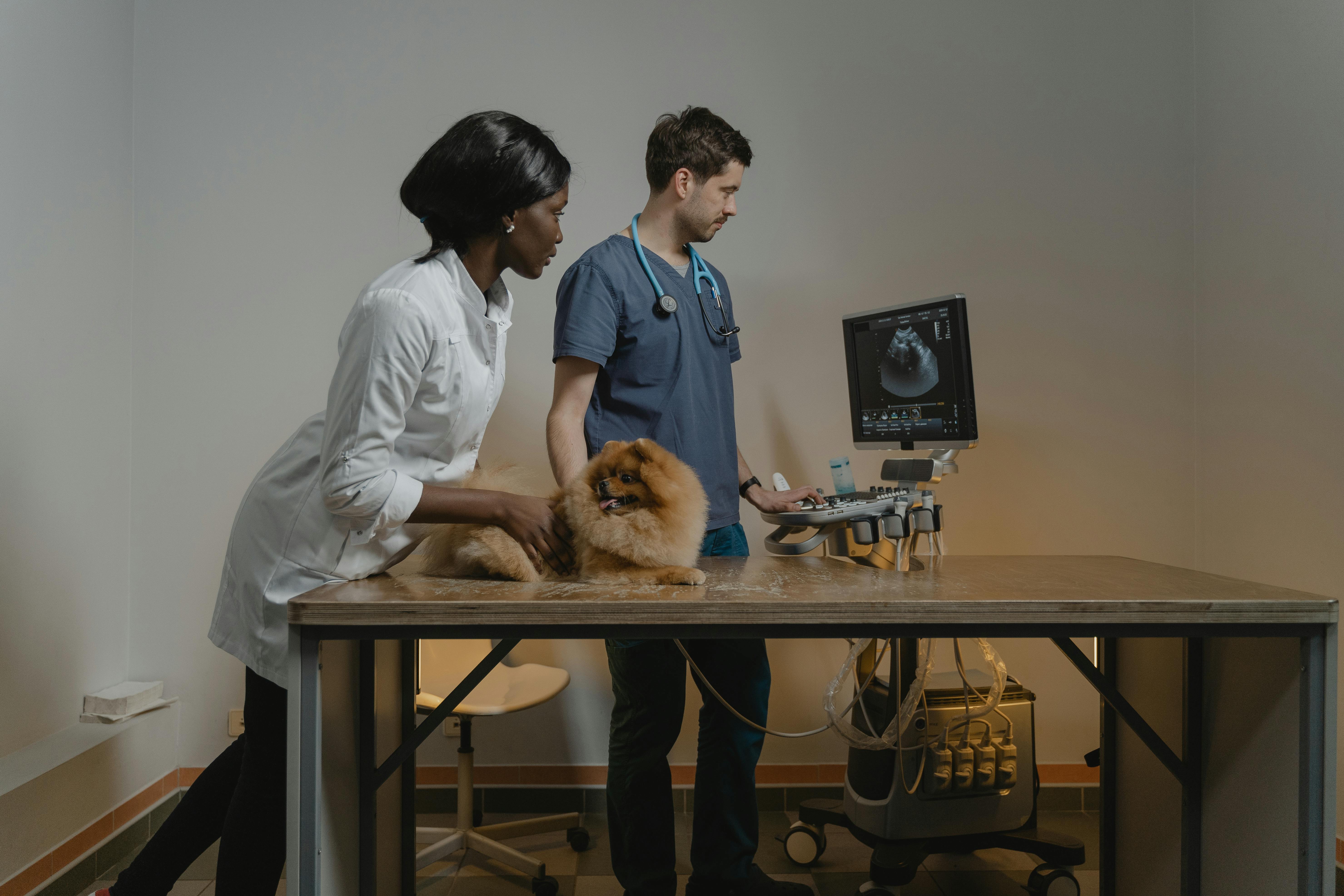
If your pet has been referred for a heart ultrasound, understanding the process can help ease your concerns and prepare you for what to expect during your visit. An echocardiogram, also known as a cardiac ultrasound, is a non-invasive imaging procedure that allows our veterinary team to visualize the heart’s structure and function in real time. This advanced technology provides detailed information about the size and shape of the heart chambers, the movement of the heart valves, the thickness of the heart walls, and the efficiency of the heart’s pumping action.
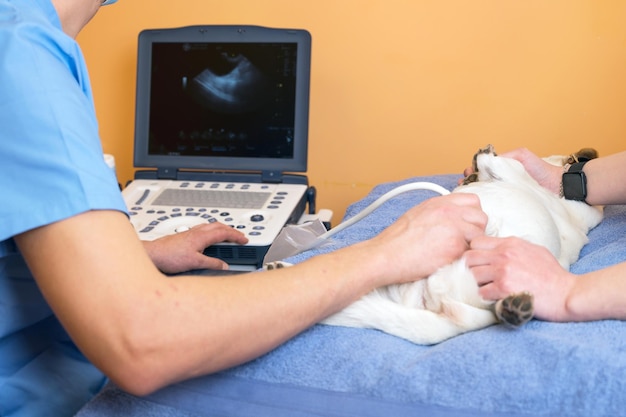
During the procedure, your pet will be gently restrained and positioned on a comfortable padded table. Most pets do not require sedation; however, some particularly anxious or energetic patients may benefit from mild calming medications. Our veterinary imaging specialists will apply a small amount of gel to your pet’s chest and use a specialized ultrasound probe to capture images of the heart from different angles. The process is typically painless and takes about 30 to 60 minutes to complete.
The data obtained from the echocardiogram enables our team to detect abnormalities such as valve degeneration, congenital malformations, heart muscle diseases, fluid accumulation, and abnormal blood flow patterns. In some cases, additional diagnostics such as an electrocardiogram or Holter monitor may be recommended to further evaluate your pet’s heart rhythm over a longer period. For a more detailed overview of what’s involved, you can view our echocardiogram services for pets.
Your pet’s referring veterinarian will receive a comprehensive report outlining the findings and recommendations, which will guide the ongoing management and treatment of your pet’s heart condition.
How Heart Ultrasounds Guide Treatment Plans
The information obtained from a heart ultrasound is invaluable for developing an effective treatment plan tailored to your pet’s unique needs. Once the underlying heart condition is identified, your family veterinarian, in partnership with our imaging specialists, can determine the best course of action.
For many heart diseases, management may involve long-term medications to control symptoms and slow disease progression. Commonly prescribed medications include those that help the heart pump more effectively, reduce fluid buildup, or regulate abnormal heart rhythms. In some cases, dietary changes or exercise restrictions may be recommended to reduce stress on the heart. Heart ultrasounds also allow for ongoing monitoring, so your veterinarian can adjust medications and management strategies as your pet’s condition evolves.
If your pet’s echocardiogram reveals a congenital defect that could benefit from surgical correction or intervention by a board-certified veterinary cardiologist, your primary veterinarian will discuss options for referral to an appropriate specialist. At 4 Paws Imaging FL, we work closely with both pet owners and referring veterinarians to ensure a seamless continuum of care.
Supporting Your Pet at Home: Prevention and Ongoing Monitoring
While some heart conditions cannot be prevented, there are proactive steps pet owners can take to support cardiovascular health and ensure early detection of problems. Regular veterinary checkups are essential; these visits allow your veterinarian to listen for murmurs or abnormal heart rhythms and monitor for subtle changes over time.
For breeds at higher risk, your veterinarian may recommend periodic cardiac screening, even in the absence of symptoms. Maintaining a healthy weight, providing regular exercise appropriate for your pet’s age and condition, and feeding a well-balanced diet all contribute to overall wellness. If your pet has already been diagnosed with a heart condition, carefully following prescribed medication regimens and attending follow-up appointments is crucial.
At home, monitor your pet for changes in breathing, energy levels, appetite, or behavior. If you notice coughing that persists, difficulty breathing, fainting, or a sudden decline in activity, contact your veterinarian promptly.
When to Seek Specialty Veterinary Care for Your Pet’s Heart
Knowing when to pursue advanced cardiac diagnostics can give your pet the best chance at a longer, healthier life. Your family veterinarian will often recommend a heart ultrasound if they detect a new heart murmur, abnormal rhythm, or significant change on X-rays or blood work. Immediate evaluation is especially important if your pet experiences fainting, severe difficulty breathing, sudden collapse, or signs of fluid buildup such as a swollen abdomen.
If you live in Casselberry or surrounding communities and your veterinarian has referred your pet for a heart ultrasound, trust that our team at 4 Paws Imaging FL is here to provide compassionate, expert care. You can even fill out our echocardiogram patient history form in advance to streamline your visit.
Take the Next Step: Expert Cardiac Imaging in Casselberry
Your pet’s heart health is too important to leave to chance. At 4 Paws Imaging FL, our experienced veterinary imaging team is dedicated to providing the most accurate and detailed cardiac diagnostics available. Whether your family veterinarian has detected a heart murmur, your pet is experiencing worrisome symptoms, or you simply want peace of mind, we are here to help with state-of-the-art imaging and clear, compassionate communication.
If you have been searching for a "cardiology vet near me" in Casselberry, look no further than our specialty clinic. To learn more about our full range of advanced imaging services, including abdominal and pregnancy ultrasounds, visit our veterinary imaging services overview. If you have questions or are ready to schedule an appointment, reach out to our veterinary professionals at (321) 343-4758 or visit us at 195 Concord Dr, Casselberry, FL 32707.
Your referring veterinarian and our team at 4 Paws Imaging FL will work together to ensure your pet receives the highest standard of care, every step of the way. If you ever have concerns about your pet’s heart health, do not delay in seeking professional advice. Early diagnosis and intervention can make all the difference in your companion’s quality of life.
This blog is intended for informational purposes only and should not replace professional veterinary advice. Always consult your veterinarian if you have questions or concerns about your pet’s health.