Thyroid Ultrasound for Pets: What Owners Should Know
Thyroid Ultrasound for Pets: What Owners Should Know
If you’ve noticed changes in your dog’s or cat’s health that make you wonder about their thyroid, you are not alone. Many pet owners in Casselberry and the surrounding communities want answers when their veterinarians mention possible thyroid issues. At 4 Paws Imaging FL, located at 195 Concord Dr, Casselberry, FL 32707, we understand how concerning it can be when your pet’s well-being is in question. That’s why our specialty veterinary team is dedicated to providing advanced imaging services like thyroid ultrasound, echocardiograms, and electrocardiograms. This blog will guide you through what a thyroid ultrasound involves, how it helps diagnose thyroid conditions in pets, and what to expect from the process. If your veterinarian has recommended a thyroid ultrasound, or you’re seeking more information about this procedure, you’ll find clear answers here from our board-certified imaging specialists.
Recognizing Thyroid Issues in Dogs and Cats
Many thyroid conditions in pets develop gradually, making early detection challenging. However, there are certain signs that may prompt your family veterinarian to consider a thyroid ultrasound. In dogs, hypothyroidism is more common, while cats are more frequently affected by hyperthyroidism. Symptoms that might indicate thyroid problems include changes in weight without a change in appetite, alterations in energy levels such as unusual lethargy or restlessness, and noticeable shifts in coat condition like increased shedding or dry, brittle fur. Cats with hyperthyroidism often display increased appetite, hyperactivity, and sometimes vomiting or diarrhea. Dogs with hypothyroidism may struggle with weight gain, become less active, or develop skin problems. If your veterinarian suspects a thyroid abnormality after a physical exam or bloodwork, they may refer your pet for advanced diagnostic imaging, such as a thyroid ultrasound, to better understand the underlying cause.
Understanding the Thyroid Gland in Pets
The thyroid gland is a small but essential organ located in the neck, responsible for producing hormones that regulate your pet’s metabolism. When the thyroid doesn’t function correctly, it can have widespread effects on your pet’s body. Hyperthyroidism, most common in older cats, results from an overactive thyroid that produces too much hormone. This can lead to increased heart rate, weight loss, and changes in behavior. In contrast, hypothyroidism, which is more prevalent in dogs, occurs when the thyroid is underactive, leading to slower metabolism, fatigue, and weight gain. Sometimes, thyroid nodules or growths may also be present, and while most are benign, some may require further investigation. Determining the type and extent of thyroid disease is crucial for guiding treatment and ensuring your pet receives the right care.
What Is a Thyroid Ultrasound and How Does It Help?
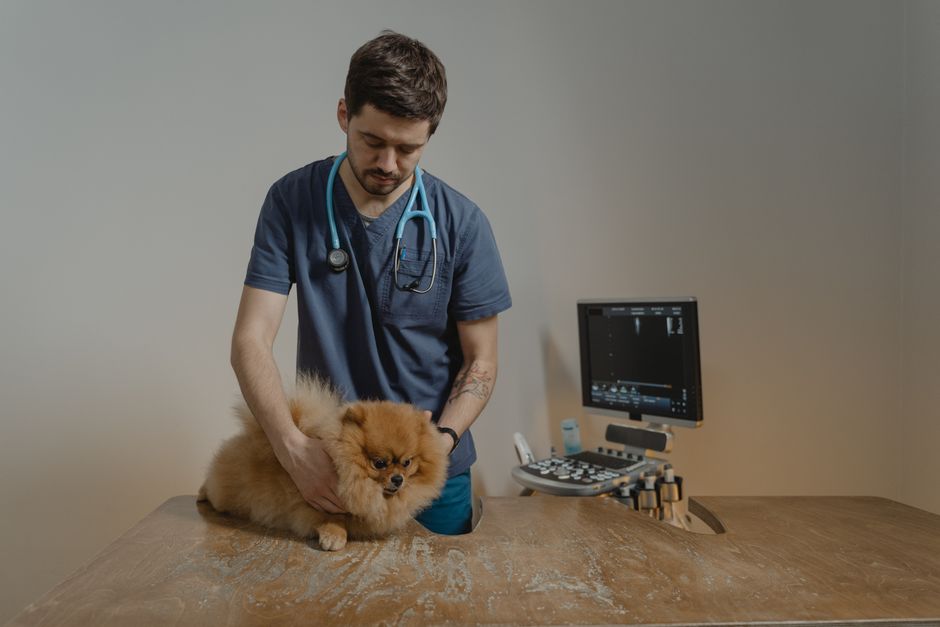
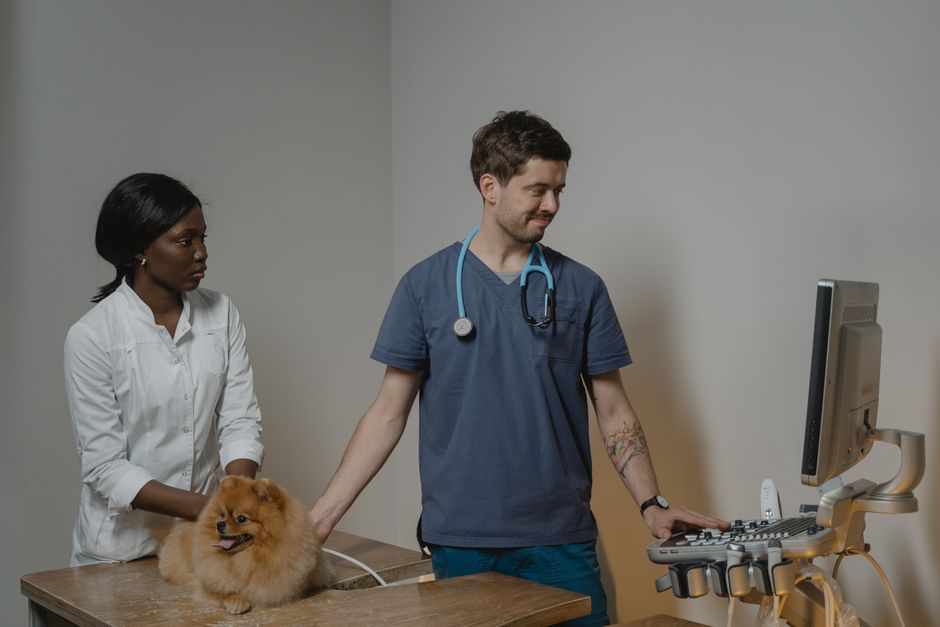
A thyroid ultrasound is an advanced, noninvasive imaging test that uses sound waves to create detailed pictures of your pet’s thyroid gland. At 4 Paws Imaging FL, our board-certified veterinary specialists perform this procedure to help identify abnormalities such as nodules, cysts, enlargement, or irregular tissue patterns. The ultrasound is performed with your pet comfortably positioned, usually lying on their side, while our team gently applies a specialized probe to their neck. This allows us to visualize the thyroid gland in real-time and assess its size, shape, and structure. Through ultrasound, we can distinguish between different types of thyroid enlargement, determine if a mass is present, and help guide further diagnostic steps if needed. You can learn more about the specifics of this diagnostic tool on our thyroid ultrasound service page.
When Is a Thyroid Ultrasound Recommended?
A thyroid ultrasound is typically recommended when blood tests suggest thyroid dysfunction, when a lump or swelling is felt in your pet’s neck, or when your veterinarian wants to investigate unexplained symptoms. For example, if bloodwork shows abnormal hormone levels but does not clarify the cause, an ultrasound can reveal whether the thyroid gland is enlarged, contains nodules, or has other changes that require attention. In some cases, a thyroid ultrasound is also used to monitor known thyroid nodules or to guide fine-needle aspiration if a sample is needed for further analysis. The procedure is safe, does not involve radiation, and usually does not require sedation, making it an excellent choice for pets of all ages.
How to Prepare Your Pet for a Thyroid Ultrasound
Preparing your dog or cat for a thyroid ultrasound at 4 Paws Imaging FL is straightforward. Your referring veterinarian will provide instructions, but generally, pets do not need to fast before this procedure. The only preparation may involve gently clipping a small area of fur on your pet’s neck to allow for optimal contact with the ultrasound probe. Most pets tolerate the procedure very well, and our veterinary imaging team takes every step to ensure your companion is calm and comfortable throughout the exam. If your pet experiences anxiety during veterinary visits, let us know in advance so we can provide extra support and reassurance.
What Happens After the Ultrasound?
After the thyroid ultrasound, our board-certified specialists will interpret the images and provide a detailed report to your family veterinarian. This report includes information about the size and appearance of the thyroid gland, the presence of any nodules or cysts, and recommendations for next steps. Your veterinarian will discuss these findings with you and outline a treatment plan tailored to your pet’s needs. Treatment options for thyroid conditions can range from dietary management and medication to surgery or radioactive iodine therapy, depending on the underlying issue identified. The advanced imaging services at 4 Paws Imaging FL are designed to give your veterinarian the precise information needed to make confident decisions about your pet’s health.
Supporting Your Pet’s Thyroid Health at Home
While diagnosis and management of thyroid disease should always involve your veterinarian, there are ways you can support your pet’s well-being at home. Monitoring your pet for changes in weight, energy, appetite, and coat quality is important for early detection of thyroid issues. Providing a balanced diet, regular exercise, and minimizing stress can help maintain overall health, especially for pets with a known diagnosis. If your pet is taking medication for a thyroid condition, giving doses as prescribed and keeping up with recommended follow-up appointments is essential. Open communication with your primary veterinarian, along with the detailed imaging provided by our team, ensures your pet receives the best possible care.
When to Seek Specialized Veterinary Imaging
If your family veterinarian has recommended a thyroid ultrasound or you notice persistent signs such as a lump in your pet’s neck, unexplained weight changes, or changes in energy and appetite, it is important to pursue advanced diagnostic imaging. Early diagnosis improves the chances of successful management and a better quality of life for your dog or cat. The veterinary professionals at 4 Paws Imaging FL work closely with local veterinarians in Casselberry and surrounding communities to provide timely, expert imaging services. If you are searching for a specialty vet near me, choosing a practice with experience, board-certified specialists, and a compassionate approach ensures your pet is in expert hands.
Why Choose 4 Paws Imaging FL for Thyroid Ultrasound?
At 4 Paws Imaging FL, our focus is on advanced veterinary imaging—nothing else. Our board-certified specialists use state-of-the-art equipment and partner with your family veterinarian to provide answers when your pet needs them most. We offer a comprehensive range of imaging services, including thyroid ultrasound and other diagnostic procedures, so your pet receives the highest standard of care. Our central location at 195 Concord Dr, Casselberry, FL 32707 makes us accessible for pet owners in Casselberry and the neighboring communities.
Take the Next Step for Your Pet’s Health
If you have questions about thyroid ultrasound for your dog or cat, or your veterinarian has recommended advanced imaging, our team of veterinary imaging specialists is ready to help. We are proud to support local families and their pets with detailed diagnostics, clear communication, and a caring approach. For more information or to learn how the referral process works, explore our thyroid ultrasound service page or contact us directly at (321) 343-4758. Your pet’s health is our priority, and we are here to provide the answers you need close to home.
This blog is intended for informational purposes only and should not replace professional veterinary advice. Always consult your veterinarian regarding any concerns about your pet’s health or before making decisions about diagnostics and treatment.