When Does Your Pet Need a Thyroid Ultrasound?
When Does Your Pet Need a Thyroid Ultrasound?
If you have ever wondered whether your dog or cat could benefit from a thyroid ultrasound, you are not alone. Thyroid disorders are common in both dogs and cats, but their symptoms can be subtle and sometimes mistaken for other health issues. As a dedicated pet owner, you want answers you can trust and a diagnostic process that is both gentle and precise. At 4 Paws Imaging FL, located at 195 Concord Dr, Casselberry, FL 32707, our specialty veterinary imaging center provides advanced thyroid ultrasound services for pets in Casselberry and surrounding communities. Our board-certified specialists interpret every scan, helping your veterinarian reach accurate diagnoses so your pet can get the best possible care.
In this blog, we will guide you through the signs that might indicate a thyroid problem in your pet, explain the role of thyroid ultrasounds in veterinary medicine, and share how our advanced imaging services support your pet’s health. Whether you are navigating a recent diagnosis or seeking answers for unexplained symptoms, you will find practical information and peace of mind here.
Recognizing the Signs: When Might Your Pet Need a Thyroid Ultrasound?
Thyroid issues can develop gradually, so early detection often depends on your close observation of your pet’s behavior and physical changes. If your cat or dog is experiencing unexplained weight gain or loss, changes in appetite, increased thirst, or a sudden shift in energy levels, a thyroid disorder could be the underlying cause. In dogs, low thyroid hormone levels (hypothyroidism) frequently present as lethargy, hair loss, dry skin, and sensitivity to cold. Cats, on the other hand, are more prone to hyperthyroidism, which can show up as restlessness, increased appetite, vomiting, diarrhea, and noticeable weight loss despite eating well.
Other signs to watch for are changes in heart rate, newly developed lumps or swellings in the neck area, and behavioral shifts such as increased anxiety or aggression. Sometimes, your primary care veterinarian may detect an abnormality during a routine exam or through screening bloodwork. When symptoms remain unexplained or thyroid disease is suspected, they may recommend a thyroid ultrasound for a closer look at the gland’s structure and function.
If you are noticing any of these warning signs in your dog or cat, or if your veterinarian has mentioned thyroid concerns, an advanced imaging study can provide critical answers. Our veterinary imaging professionals at 4 Paws Imaging FL routinely collaborate with referring veterinarians to perform thyroid ultrasound exams for pets, delivering detailed images that support an accurate diagnosis.
Understanding Thyroid Disorders in Dogs and Cats
The thyroid gland, located in your pet’s neck, plays a vital role in regulating metabolism, energy levels, and overall well-being. When the gland produces either too much or too little thyroid hormone, it can trigger a wide range of health problems.
In dogs, hypothyroidism is the most common thyroid disorder. It typically affects middle-aged to older dogs and is often caused by immune-mediated destruction of the thyroid tissue or, less commonly, by cancerous growths. Symptoms unfold slowly and may include a dull coat, hair loss (especially on the body and tail), thickened skin, unexplained weight gain, and persistent tiredness. Some dogs may become more susceptible to infections or develop neurological signs if the condition progresses.
Cats, by contrast, are most frequently diagnosed with hyperthyroidism. This disorder tends to affect older cats and is usually linked to benign growths (adenomas) of the thyroid gland. Rarely, malignant tumors can develop. Hyperthyroidism in cats causes a metabolic overdrive, leading to symptoms such as increased appetite, rapid weight loss, hyperactivity, increased vocalization, vomiting, and diarrhea. Untreated, it can also strain the heart and kidneys, leading to secondary complications.
Since the symptoms of thyroid disorders can overlap with other diseases, advanced diagnostic tools like thyroid ultrasounds are invaluable for confirming a diagnosis and mapping out the best treatment plan for your pet.
How Thyroid Ultrasound Works: What Pet Owners Should Expect
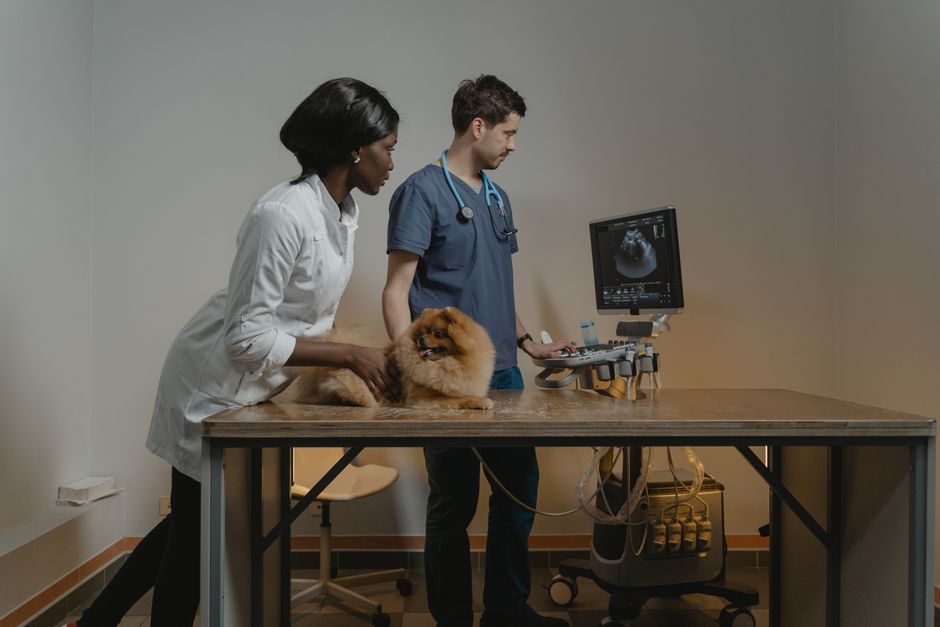
A thyroid ultrasound is a non-invasive imaging procedure that uses sound waves to produce detailed images of the thyroid gland and surrounding tissues. This technology allows veterinary specialists to examine the size, shape, and internal structure of your pet’s thyroid gland in real time, without the need for surgery or sedation in most cases.
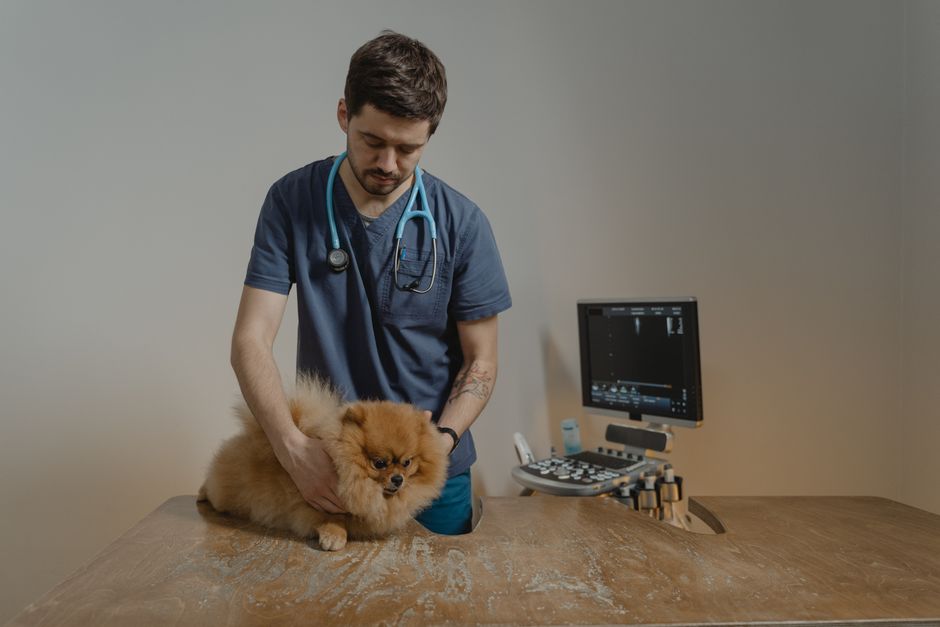
When you bring your dog or cat to 4 Paws Imaging FL for a thyroid ultrasound, our team creates a calm and reassuring environment for your pet. The procedure involves gently positioning your pet on a soft surface and applying a safe, water-based gel to the neck area. A small handheld probe is then guided over the skin, transmitting images to a specialized monitor. The process is typically painless and takes only a few minutes, although our team allows plenty of time to help your pet relax and ensure optimal image quality.
The images obtained during the ultrasound are interpreted by our board-certified veterinary imaging specialists, who work closely with your referring veterinarian to provide a comprehensive report. This advanced approach helps distinguish between benign and malignant growths, assess the presence of nodules or cysts, and guide further diagnostic or treatment decisions. If you are interested in learning more about the specifics of this procedure, you can explore our detailed thyroid ultrasound service page.
Why Advanced Imaging Matters: Supporting Accurate Diagnosis and Treatment
Thyroid ultrasound plays a crucial role in veterinary medicine by providing information that blood tests and physical examinations alone cannot offer. While bloodwork can reveal whether your pet’s thyroid function is abnormal, imaging is essential for visualizing the gland’s structure and identifying growths, nodules, or other anatomical changes.
For example, if your dog has abnormal thyroid hormone levels or a lump is discovered in the neck, ultrasound can help determine whether the mass is fluid-filled, solid, or suspicious for cancer. In cats with hyperthyroidism, imaging can help rule out malignant tumors or identify rare cases where both thyroid glands are involved. This level of detail allows your primary veterinarian to tailor treatment plans more precisely and to decide whether surgery, medication, or other interventions are appropriate.
At 4 Paws Imaging FL, our imaging specialists utilize state-of-the-art technology to ensure every scan is both precise and minimally stressful for your pet. By partnering with your primary care veterinarian, we help ensure your dog or cat receives a diagnosis you can trust and a treatment plan that is built on the most accurate information available. More information about our full range of veterinary imaging services can be found on our imaging services page.
What Happens After a Thyroid Ultrasound?
Once your pet’s thyroid ultrasound is complete, our board-certified veterinary imaging professionals will carefully review the images and send a detailed report to your referring veterinarian. This collaborative approach ensures your pet’s care team has all the information needed to move forward with the right treatment.
Depending on the ultrasound findings, your veterinarian may recommend further diagnostic tests, such as fine-needle aspiration of a nodule, advanced bloodwork, or referral to a veterinary specialist for surgery or oncology care. In some cases, the images may confirm a benign condition that only requires monitoring and regular check-ups. In others, prompt intervention can make a significant difference in your pet’s long-term health and comfort.
Throughout this process, our team remains available to answer your questions and provide guidance as you navigate the next steps in your pet’s care plan.
Home Care and Monitoring: Supporting Your Pet’s Thyroid Health
While only a veterinary professional can diagnose and treat thyroid disorders, there are proactive steps you can take at home to support your pet’s health. Keeping a close eye on your pet’s appetite, weight, energy level, and coat condition can help you spot early warning signs of thyroid dysfunction. Maintaining regular veterinary check-ups, especially for middle-aged and senior pets, is essential for early detection of hormonal imbalances or growths.
If your veterinarian has recommended ongoing monitoring, be sure to follow their advice regarding medication administration, dietary adjustments, and follow-up testing. For pets already diagnosed with a thyroid disorder, consistency is key: administering medications as prescribed and promptly reporting any new symptoms to your veterinarian can help manage the condition effectively.
Remember, sudden changes in your pet’s energy, eating habits, or behavior should always prompt a call to your veterinary care team. Early intervention can prevent complications and improve your pet’s quality of life.
When to Seek Specialty Veterinary Imaging Care
If you notice persistent symptoms such as weight loss or gain, appetite changes, neck swelling, or unexplained behavioral shifts in your dog or cat, it is important to consult with your primary veterinarian as soon as possible. Your veterinarian may recommend bloodwork or other initial tests, but when a thyroid disorder is suspected or confirmed, advanced imaging is often the next step.
Specialty veterinary imaging centers like 4 Paws Imaging FL are equipped with the expertise and technology to provide detailed, non-invasive assessments of your pet’s thyroid gland. Our board-certified specialists interpret every scan, ensuring your pet receives the highest standard of diagnostic care. We operate by referral, working closely with your primary veterinarian to deliver accurate results in a compassionate, low-stress environment.
If your veterinarian suggests a thyroid ultrasound for your pet, or if you are searching for a specialty imaging vet near me, our team is here to help answer your questions and provide the advanced diagnostics your pet deserves.
Trust 4 Paws Imaging FL for Specialty Thyroid Ultrasound Services in Casselberry
Your pet’s health and comfort are always our top priorities at 4 Paws Imaging FL. Thyroid disorders can be complex and sometimes frightening, but with advanced imaging and a collaborative approach between your veterinarian and our specialty team, you can feel confident that your pet is receiving the best possible care. Our convenient location at 195 Concord Dr, Casselberry, FL 32707 is easily accessible to pet owners throughout Casselberry and neighboring communities.
If your veterinarian has recommended a thyroid ultrasound or if you have concerns about your pet’s thyroid health, reach out to your primary vet to discuss a referral, or contact our veterinary imaging professionals directly for more information about thyroid ultrasound for pets or our full range of imaging services. Our friendly, knowledgeable team is always happy to support you and your pet through every step of the diagnostic process.
For additional questions or to discuss the referral process, please call us at (321) 343-4758. Your pet’s well-being is our passion, and we are honored to be a trusted resource for specialty veterinary imaging in Casselberry and beyond.