Benefits of Diagnostic Ultrasound for Casselberry Pets

Benefits of Diagnostic Ultrasound for Casselberry Pets
When your dog or cat faces a health concern, waiting for answers can be an anxious experience. Whether you have noticed changes in your pet’s appetite, sudden vomiting, or troubling heart symptoms, you want clear information as quickly as possible. At 4 Paws Imaging FL, located at 195 Concord Dr, Casselberry, FL 32707, we understand how important fast and accurate diagnostics are for your pet’s wellbeing. Our specialty veterinary imaging clinic serves Casselberry and surrounding communities, offering advanced ultrasound, echocardiogram, electrocardiogram, and Holter monitor services exclusively for small animals. All imaging studies at our facility are interpreted by board-certified specialists, ensuring that local veterinarians and pet owners receive the most reliable results.
In this blog, we will explain how diagnostic ultrasound benefits pets, when your veterinarian may recommend imaging, what to expect during the process, and why specialty interpretation makes a difference for your animal’s health. If you are searching for trusted answers about your dog or cat’s health, our goal is to help you feel confident and informed every step of the way.
When Does Your Pet Need Diagnostic Ultrasound?
Many pet owners wonder when advanced imaging is necessary. Ultrasound is a non-invasive, highly informative tool that helps veterinarians visualize the inside of your pet’s body without surgery or radiation. Your primary care veterinarian may recommend ultrasound when physical exams, lab tests, or X-rays do not provide enough detail to make a clear diagnosis.
Common scenarios that may prompt a referral to a specialty imaging clinic like 4 Paws Imaging FL include persistent vomiting or diarrhea, unexplained weight loss, changes in urination, abnormal bloodwork, or a new heart murmur detected during a routine exam. For example, if your cat suddenly stops eating and blood tests reveal elevated liver enzymes, an abdominal ultrasound can help pinpoint the cause, such as liver disease, inflammation, or a mass. Similarly, if your dog develops a cough and your veterinarian hears an irregular heartbeat, an echocardiogram can clarify whether there is an underlying heart condition requiring specific treatment.
Symptoms that may lead to veterinary ultrasound include persistent abdominal pain, bloating, difficulty breathing, fainting episodes, or unexplained fever. If your veterinarian suspects a specific organ problem, such as kidney disease, pancreatitis, or thyroid abnormalities, targeted imaging such as abdominal or thyroid ultrasound can provide critical details. In some cases, ultrasound is used to confirm pregnancy, monitor fetal development, or guide minimally invasive procedures like biopsies.
Understanding the Causes Behind the Need for Imaging
Pets can develop a wide range of health conditions that may not be obvious on the outside. Ultrasound helps veterinarians investigate the underlying causes of your pet’s symptoms by providing real-time images of organs such as the liver, spleen, kidneys, intestines, bladder, and heart. Diseases that may require advanced imaging include tumors, cysts, organ enlargement, fluid accumulation, or structural heart defects.
For example, a dog with chronic vomiting could be suffering from inflammatory bowel disease, an intestinal blockage, or even cancer. Each of these conditions appears differently on ultrasound, which helps guide the most appropriate treatment plan. In cats, hyperthyroidism or kidney disease are common reasons for imaging, since both can cause subtle symptoms that are difficult to detect early without specialized equipment.
Heart conditions are another area where advanced imaging makes a significant impact. Some breeds, such as Cavalier King Charles Spaniels or Maine Coon cats, are prone to inherited heart diseases that may progress silently. Tools like echocardiogram and electrocardiogram allow for detailed assessment of heart structure and function, providing your veterinarian with the information needed to tailor medications or recommend further intervention.
Pregnancy and reproductive concerns are also common reasons for referral. Dogs and cats with uncertain breeding histories, suspected complications, or at-risk pregnancies benefit from pregnancy ultrasound to assess fetal health and plan for safe delivery.
What Happens During a Diagnostic Ultrasound at 4 Paws Imaging FL?
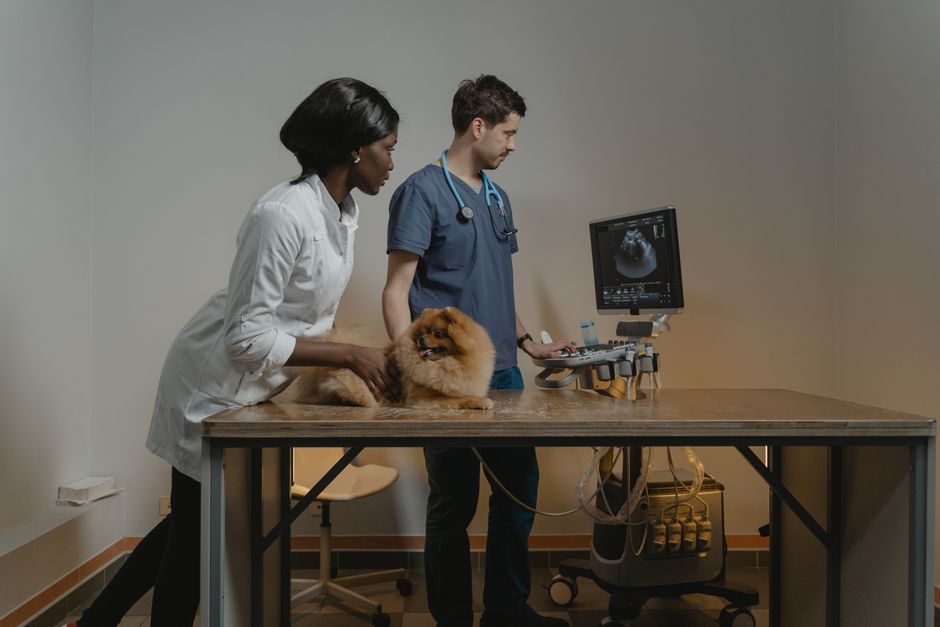
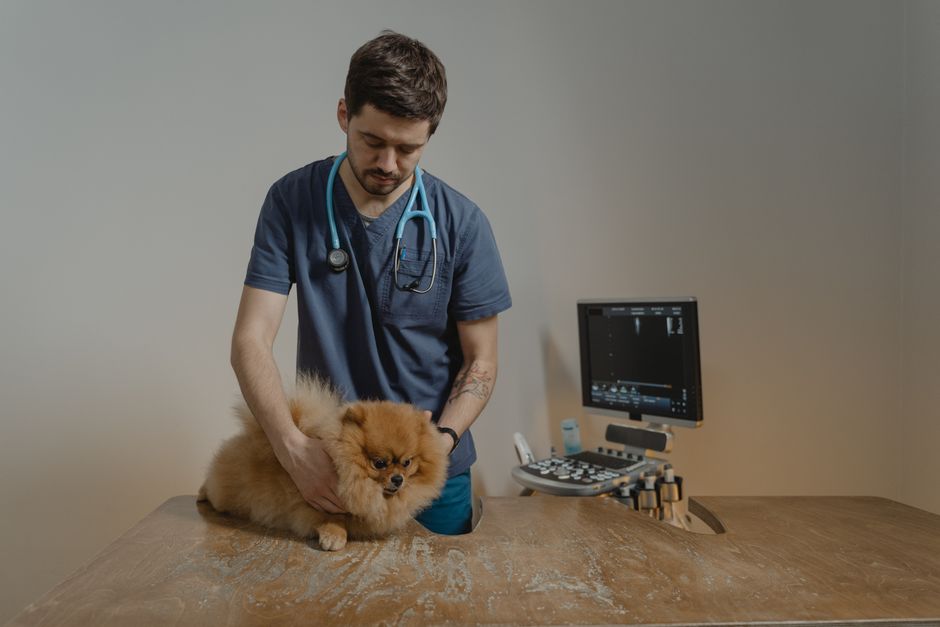
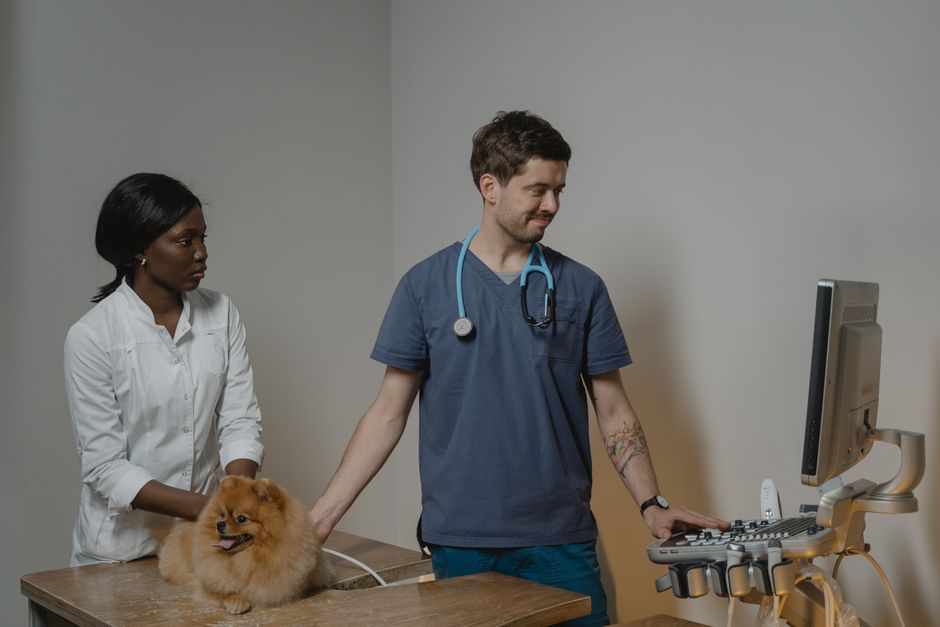
When your veterinarian refers your pet for diagnostic imaging, you can expect a calm and compassionate experience at 4 Paws Imaging FL. Our facility is designed to reduce stress for both pets and their owners. Most ultrasound procedures are performed with your pet comfortably lying on a padded table. In many cases, mild sedation is not necessary, although it may be recommended for pets that are particularly anxious or uncomfortable.
The imaging process involves applying a small amount of gel to the area being examined and gently moving a handheld probe across your pet’s skin. The probe emits sound waves that create live images of internal organs on a monitor. Our board-certified veterinary radiologists and cardiologists interpret these images in real time, providing a detailed report for your primary care veterinarian.
For cardiac concerns, your pet may undergo an echocardiogram, which is an ultrasound of the heart, and sometimes an electrocardiogram or a Holter monitor for continuous heart rhythm assessment. These tests are painless, and your pet can usually return home the same day. The detailed information gained from these studies allows your veterinarian to make precise treatment recommendations, whether that means medication adjustments, surgical planning, or ongoing monitoring.
If your pet is undergoing a pregnancy ultrasound, the procedure is similar and focuses on evaluating fetal health and development. Additional targeted imaging, such as thyroid ultrasound, helps assess glands for enlargement, masses, or abnormal tissue.
How Diagnostic Ultrasound Benefits Your Pet’s Health
The primary benefit of diagnostic ultrasound is its ability to provide detailed, real-time images of your pet’s internal organs without surgery or exposure to radiation. This leads to faster, more accurate diagnoses, which in turn means more effective treatment and better outcomes for your pet.
Ultrasound can detect issues such as tumors, cysts, inflammation, abnormal fluid, organ torsion, or birth defects that might not be visible on X-rays. For heart disease, echocardiography offers a precise assessment of heart muscle thickness, valve function, and blood flow, helping to identify conditions like cardiomyopathy or valve regurgitation early, before symptoms become severe. Electrocardiograms and Holter monitors further refine the understanding of abnormal heart rhythms, supporting targeted cardiac care.
For reproductive health, ultrasound is the gold standard for confirming pregnancy, estimating fetal count, and monitoring for complications such as pyometra or dystocia. In cases where a mass is found, ultrasound guidance can enable safe, minimally invasive biopsies, reducing the need for exploratory surgery.
Another critical benefit is the peace of mind that comes with a clear diagnosis. When you and your veterinarian have definitive answers, you can make confident decisions about your pet’s care, whether that involves medical management, surgery, or simply monitoring.
Steps Pet Owners Can Take to Support Diagnostic Success
While only a veterinary professional can perform and interpret diagnostic ultrasound, there are steps you can take to help ensure your pet’s imaging appointment goes smoothly. Follow your veterinarian’s instructions regarding fasting, medication, or water intake before your visit. For abdominal ultrasound, your pet may need to skip breakfast to improve image quality. If your veterinarian has prescribed any medications, continue these as directed unless advised otherwise.
Help reduce your pet’s stress by bringing familiar items like a favorite blanket or toy to the appointment. Inform the imaging team of any behavioral concerns or previous health issues, as this helps tailor the experience to your pet’s needs. After the procedure, carefully follow any at-home care instructions provided by your veterinary team, such as reintroducing food or monitoring for sedation effects.
Stay in close communication with your primary veterinarian, who will receive a detailed imaging report from our board-certified specialists. This partnership ensures your pet benefits from collaborative, expert-driven care.
When Should You Seek Advanced Imaging for Your Pet?
If your dog or cat is experiencing symptoms that are not improving with standard treatments, or if your veterinarian recommends further investigation, advanced imaging is often the next logical step. Seek imaging if your pet has unexplained weight loss, persistent vomiting or diarrhea, blood in the urine, difficulty breathing, fainting, or sudden changes in energy or appetite. If a heart murmur, abnormal heart rhythm, or mass is detected during a routine checkup, do not delay following up with a referral to a specialty imaging clinic.
Prompt imaging is especially important when your pet is acutely ill, has a rapidly enlarging belly, collapses unexpectedly, or shows signs of pain that cannot be controlled at home. Timely diagnosis can be life-saving in cases of internal bleeding, heart failure, or blocked urinary tracts. If you are ever uncertain whether your pet’s situation requires advanced diagnostics, consult your primary veterinarian for guidance.
Why Board-Certified Interpretation Matters
At 4 Paws Imaging FL, we believe that expertise matters when it comes to your pet’s health. All imaging studies at our Casselberry clinic are interpreted by board-certified veterinary radiologists and cardiologists. This specialized training ensures that even subtle findings are recognized and accurately reported. Our collaborative approach supports your primary care veterinarian in making the best decisions for your dog or cat, leading to better outcomes and peace of mind for your family.
Specialty interpretation is particularly important for complex cases, such as cardiac disease, cancer, or rare metabolic conditions. Board-certified specialists bring years of focused experience and stay current with the latest advances in veterinary diagnostic imaging. This level of expertise is not typically available in general practice settings, which is why so many local veterinarians trust us with their most challenging cases.
Take the Next Step for Your Pet’s Health
If your veterinarian has recommended advanced imaging, or if you have questions about whether diagnostic ultrasound is right for your pet, the team at 4 Paws Imaging FL is here to help. We are dedicated to providing compassionate, expert imaging services for dogs and cats throughout Casselberry and surrounding communities. Our board-certified specialists work closely with your primary care veterinarian to ensure your pet receives the most accurate diagnosis and the best possible care.
To learn more about our imaging services, including abdominal ultrasounds, echocardiogram, or pregnancy ultrasounds, please visit our website or contact us at (321) 343-4758. If you are searching for a specialty vet near me, trust 4 Paws Imaging FL to provide the advanced diagnostics your pet deserves.
Remember, your pet’s health and comfort are our highest priorities. We look forward to partnering with you and your veterinarian for the best possible outcome. For directions to our clinic or to schedule an appointment, visit us at 195 Concord Dr, Casselberry, FL 32707. Your answers start here—reach out today to give your pet the care they need.