How Abdominal Ultrasounds Uncover Pet Health Issues

How Abdominal Ultrasounds Uncover Pet Health Issues
Is your dog or cat experiencing symptoms that just do not seem to add up? Whether your pet is showing signs of discomfort, changes in appetite, or unexplained weight loss, it is natural to feel concerned and to seek answers. At 4 Paws Imaging FL, our specialty veterinary imaging center in 195 Concord Dr, Casselberry, FL 32707, we understand how important it is for pet owners in Casselberry and the surrounding communities to get clear, accurate information about their companions’ health. This blog will help you understand how abdominal ultrasounds can uncover hidden health issues in dogs and cats, why local veterinarians trust our board-certified specialists for imaging interpretation, and what to expect when your pet is referred for advanced diagnostic care. If you are wondering how early detection can benefit your pet’s well-being, you are in the right place.
Recognizing When Your Pet Might Need an Abdominal Ultrasound
Many pet owners notice subtle changes in their dog or cat’s behavior or health but are unsure when advanced diagnostics like an abdominal ultrasound may be needed. Signs that something may be wrong include persistent vomiting or diarrhea, a sudden loss of appetite, unexplained weight loss, bloating, or signs of abdominal pain such as restlessness or reluctance to move. Some pets may develop a pot-bellied appearance, while others become lethargic or withdraw from normal activities. Sometimes, your family veterinarian may detect something abnormal during a physical exam or routine bloodwork, such as a mass, enlarged organ, or changes in laboratory values that suggest an internal issue.
In cases like these, your regular veterinary clinic may refer your pet to a specialty imaging center like 4 Paws Imaging FL for a more detailed look at what is happening inside your pet’s abdomen. Since many abdominal conditions do not show clear symptoms in the early stages, veterinary ultrasound provides a non-invasive way to visualize internal organs and structures before more serious signs appear.
To learn more about how these imaging studies work, visit our page on abdominal ultrasounds for pets.
Why Do Pets Need Abdominal Ultrasounds? Common Health Concerns Revealed
Abdominal ultrasounds are a powerful diagnostic tool that can help uncover a wide range of health concerns in dogs and cats. Unlike standard X-rays, which capture only a static image, ultrasound uses sound waves to create real-time pictures of organs such as the liver, spleen, kidneys, bladder, stomach, and intestines. This safe, painless procedure allows our board-certified veterinary specialists to evaluate organ structure, blood flow, and even subtle changes in tissue that might indicate disease.
Some of the most common reasons pets need an abdominal ultrasound include unexplained gastrointestinal symptoms like chronic vomiting or diarrhea, suspected tumors or masses, changes in urinary habits, blood in the urine, or abnormal findings on lab tests. Ultrasound can also help diagnose pancreatitis, liver disease, kidney problems, bladder stones, or fluid buildup within the abdomen. In many cases, early changes in these organs are not visible on X-rays or detectable by blood tests alone. For female pets, ultrasounds can confirm or monitor pregnancy, check for uterine infections (pyometra), or evaluate reproductive organs for other concerns. Because many internal conditions progress quietly, abdominal ultrasound offers a chance for early diagnosis and intervention that can make a significant difference in your pet’s quality of life.
How Abdominal Ultrasound Works: The Procedure and What to Expect
If your family veterinarian recommends an abdominal ultrasound for your pet, you will likely be referred to a specialty imaging center like 4 Paws Imaging FL, where advanced diagnostic equipment and expert interpretation are available. The process is straightforward and designed with your pet’s comfort in mind. Most pets do not require sedation, although a mild sedative may be used if a dog or cat is anxious or unable to lie still. The veterinary team will gently shave a small area on your pet’s belly to allow the ultrasound probe to make direct contact with the skin.
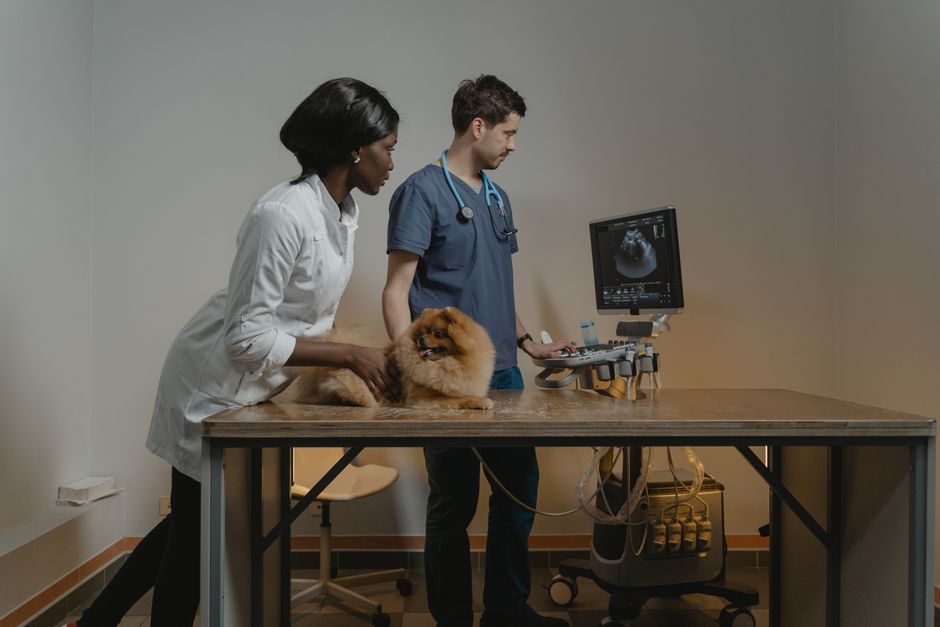
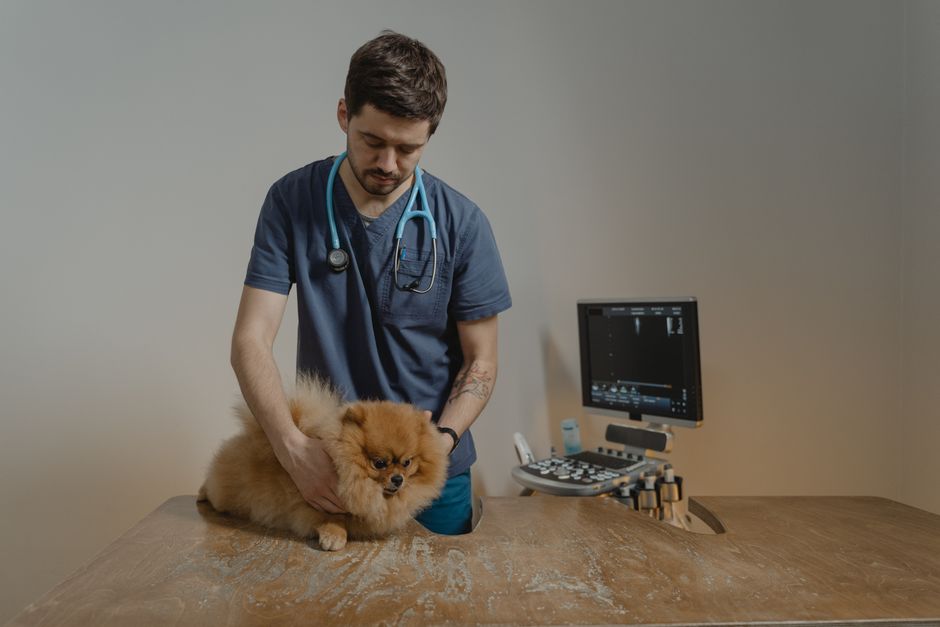
During the procedure, your pet will rest comfortably on a padded table while a board-certified veterinary specialist moves the ultrasound probe across the abdomen. The images are displayed in real time on a monitor, allowing the specialist to examine each organ closely for abnormalities such as masses, cysts, changes in texture, or fluid accumulation. The procedure typically takes between 20 and 45 minutes, depending on your pet’s size and the complexity of the case.
After the ultrasound, our veterinary imaging team will provide a detailed report and interpretation to your referring veterinarian, who will discuss the findings with you and outline any next steps for diagnosis or treatment. You can expect a collaborative approach, with your primary veterinarian and our specialists working together to ensure your pet receives the best possible care.
How Early Detection Can Improve Your Pet’s Outcome
One of the greatest benefits of veterinary ultrasound is the ability to detect health issues before they become advanced or life-threatening. Early diagnosis means that treatment can begin sooner, often leading to better outcomes and a higher quality of life for your pet. For example, identifying a small mass in the early stages may allow for easier surgical removal and a better prognosis, while catching kidney or liver disease before symptoms become severe can provide more treatment options and slow disease progression.
Abdominal ultrasounds also help veterinarians monitor ongoing health conditions and track the effectiveness of treatments. For pets with chronic illnesses or a history of tumors, regular imaging studies can detect subtle changes over time and allow your veterinary team to adjust therapies as needed. This proactive approach is especially valuable for older pets, breeds prone to certain cancers or organ diseases, and those with unexplained symptoms that have not responded to initial treatments.
What You Can Do at Home: Supporting Your Pet’s Health
While advanced diagnostics like abdominal ultrasounds require specialized equipment and veterinary expertise, there are important steps you can take at home to monitor your pet’s health and support early detection. Keep a close eye on your dog or cat’s appetite, weight, litter box or bathroom habits, and energy level. Sudden changes in eating or drinking, vomiting or diarrhea lasting more than a day or two, visible discomfort, or any sign of blood in the urine or stool should prompt a call to your veterinarian.
Provide your pet with a balanced diet, regular exercise, and routine veterinary checkups as recommended by your primary care veterinarian. Inform your veterinary team about any changes or concerns as soon as they arise. By partnering with your family veterinarian and specialty centers like 4 Paws Imaging FL, you can help ensure that health problems are caught early and managed effectively.
When Should You Seek Specialty Veterinary Imaging?
There are times when prompt imaging is especially important for your pet’s health and comfort. If your veterinarian suspects an internal mass, unexplained fluid accumulation, suspected organ dysfunction, or if bloodwork reveals significant abnormalities, referral for an abdominal ultrasound is often the next step. Pets with severe or rapidly worsening symptoms such as ongoing vomiting, abdominal swelling, lethargy, or collapse should be evaluated by a veterinarian immediately, as these may be signs of a life-threatening emergency.
Your primary care veterinarian will guide you in deciding when advanced imaging is appropriate, and our board-certified specialists at 4 Paws Imaging FL are here to provide expert interpretation and support throughout the process. If you are searching for a specialty vet near me, trust that our veterinary imaging team offers the experience and technology to help uncover the answers your pet needs.
Why Casselberry Veterinarians Trust 4 Paws Imaging FL for Pet Ultrasound
Veterinary clinics across Casselberry and the surrounding communities choose 4 Paws Imaging FL for advanced imaging because of our commitment to high-quality care, state-of-the-art technology, and board-certified expertise. Our team works closely with your family veterinarian to ensure a seamless referral experience and clear communication throughout your pet’s diagnostic process. Whether your pet is facing a complex medical issue, a suspected tumor, or unexplained symptoms that need further investigation, you can rely on our compassionate approach and specialized focus in veterinary imaging.
We take pride in serving pet owners and veterinary professionals with compassion, precision, and respect for every animal. Our facility is designed to keep pets comfortable and at ease, while our specialists provide thorough, accurate reports that help guide treatment decisions.
Take the Next Step for Your Pet’s Health
If your veterinarian has recommended an abdominal ultrasound, or if your dog or cat is showing concerning symptoms with no clear cause, do not wait to seek answers. At 4 Paws Imaging FL, our board-certified veterinary imaging team is ready to support your pet’s health journey with advanced diagnostics and collaborative care. Discover more about how abdominal ultrasounds for pets can help provide clarity and peace of mind.
To schedule an imaging appointment or speak with our veterinary professionals, call (321) 343-4758 or visit our specialty imaging center at 195 Concord Dr, Casselberry, FL 32707. When searching for a specialty vet near me, look for a dedicated imaging center with board-certified expertise and a reputation for compassionate, accurate diagnostics. Your pet’s health and well-being are our highest priorities, and we are honored to be your trusted partner in advanced veterinary care.
This article is intended for informational purposes only and should not replace professional veterinary advice. Please consult your veterinarian for any concerns about your pet’s health or before pursuing diagnostic imaging.