How Abdominal Ultrasound Detects Summer Health Issues in Pets

How Abdominal Ultrasound Detects Summer Health Issues in Pets
Summer in Casselberry, FL, brings not only longer days and outdoor fun for your dog or cat but also a unique set of health concerns that can develop during the hot, rainy season. If you have noticed your pet acting differently or showing signs of discomfort, you are not alone. Many pet owners in Casselberry and surrounding communities find themselves worried about sudden digestive problems, urinary issues, or unexplained changes in their pet’s behavior during Florida’s summer months. At 4 Paws Imaging FL, our veterinary team specializes in advanced imaging services like abdominal ultrasounds, helping local pets receive precise diagnoses and the best possible care. In this article, we will explore how abdominal ultrasound can detect summer health issues in pets, why early imaging matters, and what to expect when you visit our specialty imaging center at 195 Concord Dr, Casselberry, FL 32707.
We will guide you through common summer health risks for dogs and cats in Central Florida, signs that your pet may need an abdominal ultrasound, and how imaging at a specialty practice like 4 Paws Imaging FL can make all the difference. Whether your veterinarian has referred your pet for advanced imaging or you are still deciding when to pursue specialty diagnostics, this blog will help you understand the value of abdominal ultrasound and what steps you can take to keep your companion healthy this season.
Recognizing Summer Health Issues in Pets: When Abdominal Ultrasound is Needed
Florida’s summer heat and humidity can lead to a variety of health issues in pets. Key symptoms that may indicate a problem include sudden vomiting or diarrhea, loss of appetite, increased thirst or urination, visible abdominal discomfort, frequent attempts to urinate with little output, and lethargy or hiding behavior. You might also notice your pet straining in the litterbox or having accidents in the house. In some cases, subtle changes like decreased energy, changes in weight, or reluctance to play can signal an underlying issue within the abdomen.
For many pet owners, these symptoms may seem mild at first, but they can quickly become serious, especially in the heat of summer. The risk of dehydration, heat stress, and infectious diseases rises as temperatures climb. If your dog or cat starts showing any of these signs, it is important to work with your primary veterinarian, who may recommend advanced diagnostics such as abdominal ultrasound services for small animals to get to the root of the problem.
Understanding the Causes: Why Summer Triggers Abdominal and Urinary Problems
Summer in Central Florida presents unique challenges for pet health. Warm, damp conditions can encourage the growth of bacteria and parasites, making gastrointestinal infections more common. Pets are also tempted to drink from puddles or standing water, which can introduce harmful organisms and lead to stomach upset or urinary tract infections.
Heat-induced dehydration is another major concern, as it can concentrate urine and make pets more prone to forming bladder stones or experiencing kidney stress. Additionally, increased outdoor activity during the summer may expose pets to toxins, spoiled food, or foreign objects that can become lodged in the digestive tract, resulting in blockages or inflammation.
Certain breeds, older pets, and those with underlying health conditions are at even greater risk during the summer months. For example, cats with a history of urinary issues or dogs with chronic gastrointestinal problems may experience flare-ups when exposed to stressors such as extreme heat, sudden changes in routine, or dietary indiscretions. By understanding these seasonal risks, you can better protect your pet and recognize when advanced imaging may be necessary.
How Abdominal Ultrasound Diagnoses Summer Health Issues
When your pet’s symptoms suggest a problem within the abdomen, your veterinarian may refer you to 4 Paws Imaging FL for a specialized evaluation. Abdominal ultrasound is a non-invasive procedure that uses sound waves to create detailed images of your pet’s internal organs, including the liver, kidneys, bladder, spleen, stomach, intestines, and reproductive organs.
This advanced imaging technique is especially useful for diagnosing issues such as gastrointestinal upset, urinary tract infections, bladder stones, tumors or masses, fluid accumulation, and even early pregnancy. For example, if your dog is vomiting persistently or your cat is straining to urinate, ultrasound can help pinpoint whether the cause is an obstruction, infection, inflammation, or something more serious like cancer.
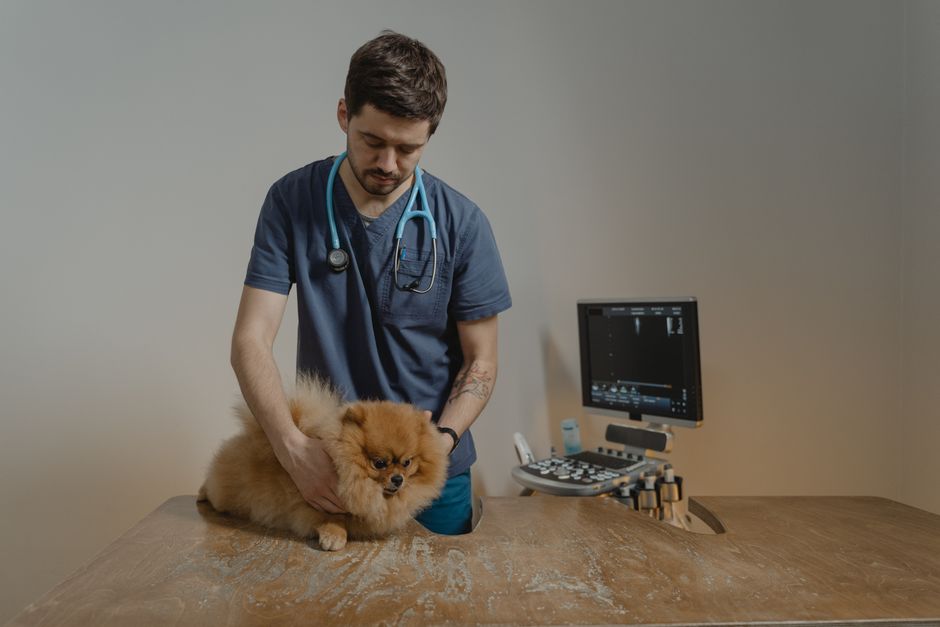
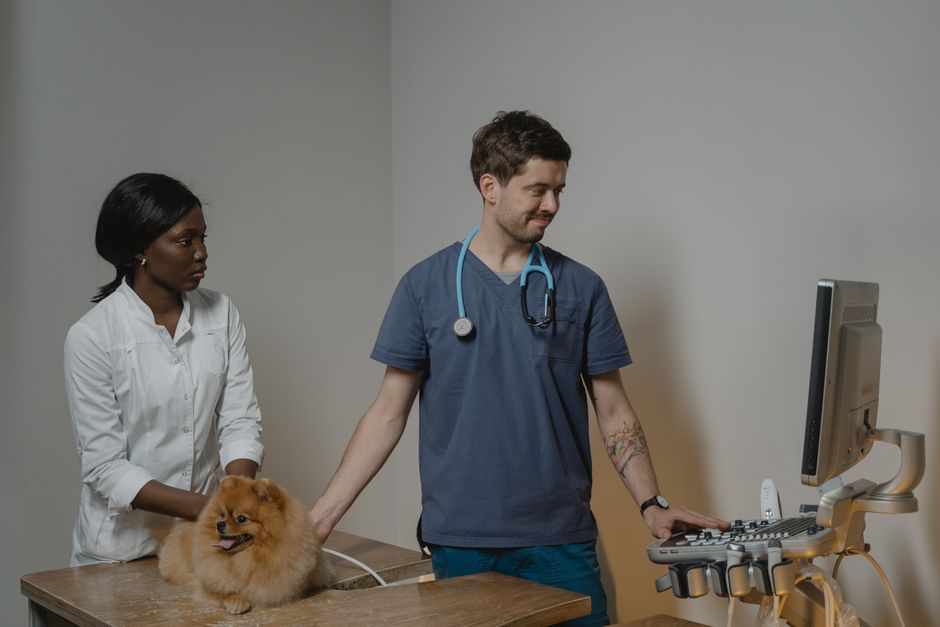
The process involves gently placing your pet on a padded table, applying a small amount of gel to the belly, and moving a handheld probe across the area. Most pets tolerate the procedure well, and sedation is rarely needed. The images are interpreted by our board-certified specialists, ensuring a high level of accuracy and diagnostic confidence. With timely results, your veterinarian can develop a targeted treatment plan based on clear, real-time information about your pet’s internal health.
To learn more about what to expect from this diagnostic tool, our abdominal ultrasound services for small animals page provides additional details about the process and benefits.
What Sets 4 Paws Imaging FL Apart for Pet Ultrasound
At 4 Paws Imaging FL, we focus exclusively on imaging for pets, offering a level of expertise and technology that is rarely available in general practice settings. Our team of board-certified veterinary specialists collaborates closely with your primary veterinarian, providing comprehensive reports and recommendations tailored to your pet’s unique situation. Our imaging center in Casselberry is designed for comfort, safety, and efficiency, giving you peace of mind during what can be a stressful time for both you and your pet.
Treatment and Management: What Happens After an Ultrasound?
After an abdominal ultrasound, our specialists will promptly share the findings with your referring veterinarian. The next steps depend on the diagnosis. For gastrointestinal upset, treatment may involve dietary changes, medications to control vomiting or diarrhea, or further testing if a foreign object or mass is detected. For urinary issues, management could include antibiotics for infections, special diets to dissolve certain types of stones, or procedures to remove blockages.
If your pet’s ultrasound reveals a more serious condition such as a tumor, fluid buildup, or organ dysfunction, your veterinarian may discuss referral to a veterinary internist or surgeon for additional care. Early detection through imaging can improve outcomes, allowing for faster intervention and a better prognosis.
Throughout this process, our veterinary team is available to discuss imaging results, answer your questions, and support you as you make decisions about your pet’s care. While we do not provide direct treatment beyond imaging, our collaboration with your primary veterinarian ensures your pet receives coordinated, comprehensive care.
Home Care and Prevention: Keeping Pets Healthy During the Florida Summer
While some health issues require advanced diagnostics, there are steps you can take at home to reduce your pet’s risk of summer-related problems. Ensure your dog or cat has constant access to fresh water, especially after outdoor play or walks. Avoid letting pets drink from puddles or standing water, as these may be contaminated. Feed a consistent, high-quality diet and store food properly to prevent spoilage.
Keep your pet indoors during the hottest part of the day, and provide a cool, shaded area when outside. Monitor your pet’s litterbox or bathroom habits closely, noting any changes in frequency, color, or consistency. If you notice signs of digestive upset or urinary discomfort, early communication with your veterinarian is crucial.
Regular checkups and preventive care, including annual bloodwork and urine testing, help catch issues before they become serious. For pets with a history of chronic gastrointestinal or urinary problems, your veterinarian may recommend periodic imaging to monitor their condition and prevent complications.
When to Seek Veterinary Imaging: Recognizing When It’s Time for an Ultrasound
It can be difficult to know when advanced imaging is necessary for your pet. In general, you should seek veterinary care if your pet experiences vomiting or diarrhea lasting longer than 24 hours, visible blood in urine or stool, sudden changes in appetite or weight, abdominal swelling, repeated straining to urinate or defecate, or persistent lethargy. These symptoms may indicate a problem that requires an abdominal ultrasound to diagnose.
If your primary veterinarian suggests advanced imaging, or if your pet’s condition fails to improve with initial treatment, a referral to a specialty center like 4 Paws Imaging FL is the next best step. Our experienced team works hand in hand with your regular veterinarian to ensure a smooth process from referral to diagnosis and beyond.
It is important to remember that imaging is just one part of a comprehensive diagnostic approach. Early and accurate diagnosis leads to faster treatment and a better quality of life for your pet, especially during the high-risk summer months in Central Florida.
Choosing 4 Paws Imaging FL for Advanced Pet Ultrasound in Casselberry
When your pet’s health is at stake, having access to advanced diagnostics is essential. At 4 Paws Imaging FL, we are dedicated to supporting pet owners in Casselberry and surrounding communities with expert imaging services tailored to the unique needs of dogs and cats. Our board-certified specialists utilize state-of-the-art technology to deliver clear answers and peace of mind for you and your family.
If you are searching for a specialty imaging vet near me, trust our veterinary team for compassionate, timely care. To schedule an abdominal ultrasound or learn more about our services, call (321) 343-4758 or visit us at 195 Concord Dr, Casselberry, FL 32707. For additional information on what to expect, explore our abdominal ultrasound services for small animals page.
Your pet’s health and comfort are always our top priorities. Do not hesitate to reach out if you have concerns about your dog or cat’s wellbeing this summer. Our veterinary professionals are here to support you and your companion every step of the way.
Disclaimer: The information provided in this blog is for educational purposes only and is not a substitute for professional veterinary advice. Always consult your veterinarian for specific concerns about your pet’s health.