Echocardiogram for Dogs Near Me: What Pet Owners Should Know

Echocardiogram for Dogs Near Me: What Pet Owners Should Know
If your dog has been showing signs of heart trouble or your family veterinarian has recommended advanced cardiac testing, you may be searching for answers about echocardiograms for dogs. At 4 Paws Imaging FL, located at 195 Concord Dr, Casselberry, FL 32707, we specialize in advanced veterinary imaging, including echocardiogram procedures for dogs. Many pet owners looking for “echocardiogram for dogs near me” want to know what to expect, how this test helps, and why specialty diagnostic care can make all the difference for their pet’s heart health. In this blog, we will explain what an echocardiogram is, when it’s needed, how the procedure works, and how our board-certified imaging team helps support your dog’s lifelong wellbeing. Our focus is always on providing compassionate, high-level care to pets in Casselberry and surrounding communities, working closely with your primary veterinarian to ensure your dog receives the best possible diagnostics and treatment recommendations.
You will also find helpful information about preparing for your dog’s visit and what makes specialty imaging like ours so vital for early detection and management of canine heart conditions. If you’re ready to learn more or need to schedule an advanced cardiac ultrasound for your dog, our veterinary professionals are here to help guide you every step of the way.
Recognizing When Your Dog May Need an Echocardiogram
Understanding when to seek an “echocardiogram for dogs near me” often starts with observing symptoms or following your primary veterinarian’s advice. Heart disease in dogs can be subtle in the early stages, but certain signs may signal the need for advanced imaging. Symptoms prompting a referral for an echocardiogram often include persistent coughing, increased breathing effort or rate, difficulty exercising or tiring easily, fainting episodes, or noticeable changes in behavior such as restlessness or reluctance to lie down. Some dogs may develop abdominal swelling or experience unexplained weight loss. In other cases, a heart murmur or irregular rhythm discovered during a routine exam can lead your veterinarian to recommend specialized cardiac testing.
It’s important to remember that these symptoms can have many causes, but an echocardiogram is a non-invasive way to get a detailed look at your dog’s heart structure and function. If you notice any of these changes or your veterinarian mentions a concern about your pet’s heart, early imaging can provide crucial answers and help guide effective treatment.
Understanding Echocardiograms: What Are They and Why Are They Needed?
An echocardiogram is a specialized ultrasound designed to evaluate the heart’s anatomy and function in real-time. Unlike standard X-rays, which only show size and shape, an echocardiogram uses sound waves to create moving images of the heart’s chambers, valves, muscle walls, and blood flow. This test allows veterinary cardiologists and imaging specialists to detect the presence and severity of conditions such as valve disease, congenital heart defects, cardiomyopathy, and pericardial effusion.
Many heart conditions in dogs can progress silently for months or even years before outward symptoms emerge. Early detection through an echocardiogram can reveal issues before they become life-threatening, guiding your veterinarian in choosing medications, monitoring, or interventions that can improve your dog’s quality of life. In addition, an echocardiogram is the gold standard for confirming heart murmurs, evaluating arrhythmias, and planning for anesthesia in pets with known or suspected cardiac disease.
If you are interested in the detailed process and specialized equipment used during this procedure, you can explore our comprehensive echocardiogram ultrasounds for dogs and pets, which are interpreted by a board-certified veterinary cardiologist.
Why Specialty Imaging Matters
When searching for an “echocardiogram for dogs near me,” pet owners may wonder why a referral to a specialty imaging center is necessary. General practitioners provide essential frontline care, but advanced cardiac imaging requires specialized training, equipment, and interpretation. At 4 Paws Imaging FL, our veterinary professionals focus solely on diagnostic imaging, ensuring your dog benefits from the highest level of expertise and technology. We partner with your primary veterinarian, providing detailed reports and recommendations that support accurate diagnosis and optimal treatment.
What to Expect: The Echocardiogram Process for Dogs
Knowing what happens during your dog’s echocardiogram visit can help ease anxiety for both you and your pet. When you arrive at our Casselberry location, our veterinary team will review your dog’s medical history and discuss any symptoms or concerns. For many patients, we ask pet owners to complete a patient history form in advance to streamline the visit and ensure all pertinent details are available for the imaging specialist.
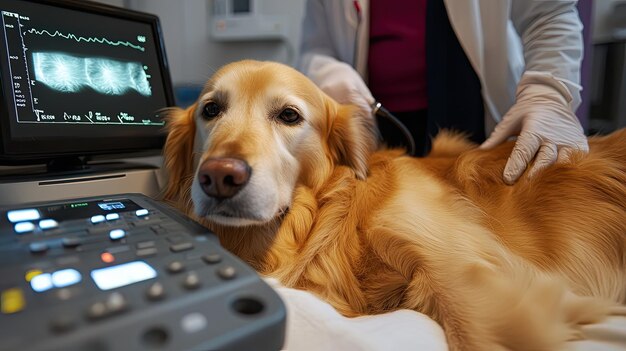
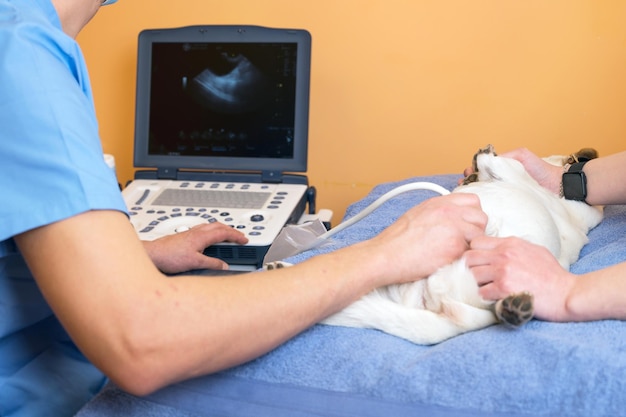
During the procedure, your dog will rest comfortably on a padded table, usually on their side. Most dogs do not require sedation, as the ultrasound is painless and non-invasive. Our veterinary professionals will gently apply a small amount of gel to your dog’s chest and use a specialized probe to capture images and video of the heart in motion. The entire process typically takes 20 to 45 minutes, depending on your dog’s condition and cooperation.
After the echocardiogram, our board-certified team will review and interpret the results, forwarding a comprehensive report to your referring veterinarian. This collaborative approach ensures your pet’s care is coordinated and that you receive expert guidance on the next steps, whether that involves medication, further monitoring, or lifestyle adjustments.
The Role of Echocardiograms in Treatment and Ongoing Management
An echocardiogram is not just a diagnostic tool; it is a cornerstone of effective cardiac care in dogs. The results can inform a wide range of treatment decisions, from starting heart medications to determining whether surgical intervention might be necessary. For example, if your dog is diagnosed with chronic valve disease, an echocardiogram helps your veterinarian determine the severity of the condition and the best medication protocol. In cases of arrhythmias or abnormal heart rhythms, the test can clarify the underlying cause and guide the use of additional diagnostics, such as electrocardiograms or Holter monitors.
Ongoing management often involves periodic follow-up echocardiograms to monitor disease progression and adjust treatment. Our imaging specialists at 4 Paws Imaging FL work closely with your primary veterinarian throughout your dog’s care journey, providing the most accurate information for each stage of management. This collaborative, specialty-driven approach gives your pet the best chance for a longer, more comfortable life.
If you are interested in all the advanced imaging options available, including thyroid and abdominal ultrasounds, you can learn more about our veterinary imaging services.
Supporting Your Dog’s Heart Health at Home
While advanced diagnostics are crucial for managing heart disease, pet owners play a vital role in supporting their dog’s wellbeing at home. Some practical steps to help your dog include providing regular exercise as recommended by your veterinarian, following prescribed medication regimens, and monitoring for any changes in breathing, activity level, or appetite. Keeping up with routine veterinary checkups is essential, as early intervention leads to better outcomes. Additionally, maintaining a healthy weight and avoiding high-salt treats can reduce the workload on your pet’s heart.
If your veterinarian recommends an echocardiogram, prompt action is important. Delays in specialized imaging may allow heart disease to progress, making management more challenging. By working together with your primary care veterinarian and our imaging specialists, you can help ensure your dog receives timely, appropriate care.
When to Seek Specialty Veterinary Care
It can be difficult to know when advanced imaging is needed, especially since many heart conditions mimic less serious issues. You should seek specialty veterinary care if your dog has a new or worsening heart murmur, experiences fainting episodes, shows signs of respiratory distress, or if recommended by your general veterinarian. Early referral for an echocardiogram can be life-saving, especially in breeds predisposed to heart disease or older dogs with subtle symptoms.
If you have questions about whether your dog needs an echocardiogram or would like to discuss your veterinarian’s referral, our veterinary professionals at 4 Paws Imaging FL are happy to assist. We are committed to providing clear communication, compassionate care, and advanced diagnostics to pets throughout Casselberry and neighboring areas.
Take the Next Step for Your Dog’s Heart Health
An “echocardiogram for dogs near me” is more than just a search; it is a vital step toward giving your pet the healthiest, happiest life possible. At 4 Paws Imaging FL, our specialty imaging team is here to provide the advanced diagnostics and expertise your dog deserves. Whether you have been referred by your regular veterinarian or have questions about the process, we are ready to help you every step of the way.
If you are searching for a cardiology vet near me, remember that early detection makes a real difference. To prepare for your visit or find out more about the echocardiogram procedure, you can review our Echocardiogram Patient History Form or call our veterinary professionals at (321) 343-4758. Our Casselberry imaging center is dedicated to supporting your dog’s heart health with advanced diagnostics, close collaboration with your primary veterinarian, and compassionate care you can trust.
If you are ready to schedule advanced imaging or simply want to learn more about our services, explore our full veterinary imaging services or reach out to us directly. Your dog’s heart health is our highest priority, and our team is honored to be your partner in lifelong care.