Does Your Pet Need a Cardiac Ultrasound in Casselberry?

Does Your Pet Need a Cardiac Ultrasound in Casselberry?
When you notice your dog or cat slowing down, coughing more often, or showing signs of fatigue, it is natural to feel concerned about their heart health. Heart disease in pets is more common than many owners realize, and early detection is key to giving your companion the best possible care. If your family veterinarian has recommended a cardiac ultrasound—also known as an echocardiogram—you may have questions about what this procedure involves, how it can help your pet, and where to find expert diagnostic imaging in the Casselberry area. At 4 Paws Imaging FL, located at 195 Concord Dr, Casselberry, FL 32707, our veterinary professionals provide advanced cardiac ultrasound services to help local pets receive accurate, compassionate care. In this blog, we will explain when a cardiac ultrasound might be needed, what to expect from the process, and how our team supports you and your veterinarian every step of the way. If you are searching for a referral-based specialty imaging provider or a "cardiology vet near me," read on to learn how we can help your pet thrive.
Recognizing When Your Pet May Need a Cardiac Ultrasound
Understanding the signs of heart disease in pets is the first step toward timely intervention. Many symptoms can be subtle at first or easily mistaken for normal aging, but attentive pet owners often notice small changes that signal something more. Key symptoms to watch for include persistent coughing, especially at night or after activity; rapid or labored breathing; lethargy or reluctance to exercise; fainting or collapse; swelling of the abdomen due to fluid buildup; and sudden changes in appetite or weight. In some cases, cats may show vague signs such as hiding more often, breathing with their mouth open, or seeming less interactive.
Veterinarians often recommend a cardiac ultrasound when they detect a heart murmur during a routine exam, observe abnormal heart rhythms, or see changes on an X-ray or electrocardiogram that suggest underlying heart disease. Some pets may have a known genetic risk for heart problems, while others develop symptoms unexpectedly. Whether you have noticed changes yourself or your family veterinarian has flagged a concern, a cardiac ultrasound can provide critical answers about your pet’s heart health.
Why Heart Disease Develops in Dogs and Cats
Many factors can contribute to heart disease in companion animals. In dogs, conditions such as degenerative valve disease and dilated cardiomyopathy are among the most common causes. These issues can develop with age or be related to breed predisposition. Smaller breeds are often more prone to valve problems, while larger breeds may face risks for heart muscle diseases.
In cats, hypertrophic cardiomyopathy is the most frequently diagnosed cardiac issue, often resulting in the thickening of the heart muscle. This condition may be hereditary in certain breeds or arise without a clear cause. Other contributors to heart disease in pets include congenital defects present from birth, infections, or complications from other chronic illnesses such as hyperthyroidism in cats.
Environmental and lifestyle factors, such as obesity or poor diet, can also impact heart health, but many cardiac conditions in pets are not preventable through owner actions alone. This is why advanced diagnostic tools like echocardiograms are invaluable—they allow for precise diagnosis and tailored treatment planning, often before severe symptoms develop.
How a Cardiac Ultrasound Helps: What to Expect from an Echocardiogram
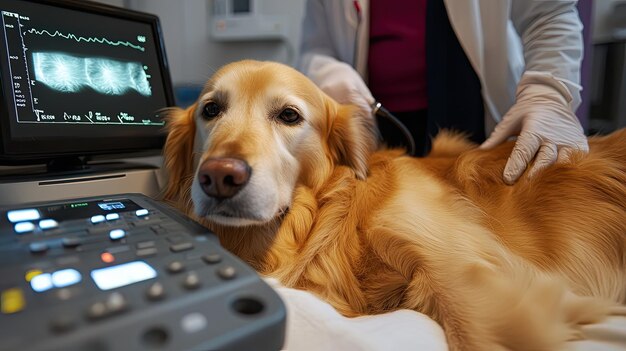
A cardiac ultrasound, or echocardiogram, is a non-invasive procedure that uses sound waves to create detailed images of your pet’s heart in real-time. This advanced imaging technique provides a wealth of information, including the size and shape of the heart chambers, the thickness of the heart walls, the functioning of heart valves, and the overall pumping ability of the heart. At 4 Paws Imaging FL, our veterinary imaging professionals work closely with your referring veterinarian to ensure a seamless diagnostic experience.
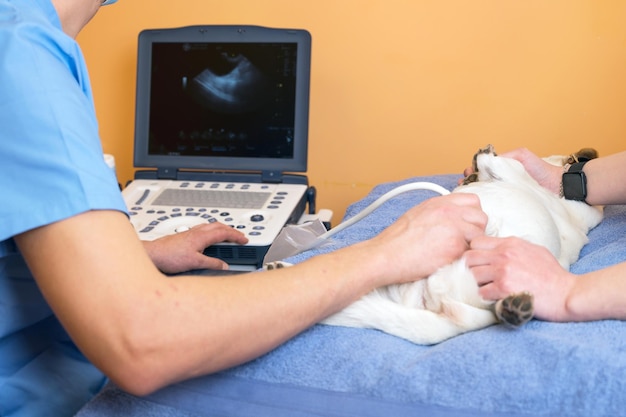
During your pet’s echocardiogram, they will typically lie comfortably on a padded table while a veterinary technician gently applies a small amount of gel to the chest area. The ultrasound probe is then moved across specific points to capture multiple views of the heart. Most pets tolerate the procedure well, and sedation is rarely needed unless your dog or cat is particularly anxious or unable to remain still. The entire process usually takes about 30 to 60 minutes, and you can expect our veterinary team to prioritize your pet’s comfort throughout.
What sets a cardiac ultrasound apart from other diagnostics is its ability to show the heart in motion. This allows veterinary cardiologists to observe blood flow, measure pressures, and evaluate for conditions such as valve leakage, abnormal chamber size, or structural defects. The information gained from an echocardiogram is essential for diagnosing heart disease, determining its severity, and guiding treatment recommendations. For more details about our comprehensive cardiac imaging services, you can visit our echocardiogram information page.
Treatment and Ongoing Management: Next Steps After Diagnosis
Once a cardiac ultrasound has provided a definitive diagnosis, your family veterinarian or a veterinary cardiologist will develop a treatment plan tailored to your pet’s specific condition. Treatment options for heart disease in pets can involve a combination of medications to support heart function, dietary recommendations, and lifestyle adjustments such as controlled exercise or weight management. In some cases, additional diagnostic tools may be recommended, including Holter monitor services for heart rhythm analysis or electrocardiogram (ECG) screening, both available at our Casselberry facility.
Ongoing management often includes regular follow-up echocardiograms to monitor disease progression and adjust therapy as needed. Our team at 4 Paws Imaging FL works in partnership with your primary veterinarian to ensure continuity of care, clear communication, and support throughout your pet’s treatment journey. We understand the anxiety that can come with a heart disease diagnosis, and our goal is to provide both advanced diagnostics and compassionate guidance to help your pet live as comfortably and actively as possible.
Supporting Your Pet’s Heart Health at Home
While some risk factors for heart disease in pets are beyond an owner’s control, there are important steps you can take to promote cardiovascular health. Providing a balanced diet recommended by your veterinarian, maintaining a healthy weight, and ensuring regular exercise appropriate for your pet’s age and breed are all beneficial. It is also important to keep up with routine veterinary check-ups, as many heart conditions can be detected early through physical exams and screening tests.
If your pet is already receiving treatment for heart disease, following medication schedules precisely, monitoring for any changes in symptoms, and keeping open communication with your veterinary team are essential. Never adjust or stop medications without veterinary guidance, and let your veterinarian know right away about any new or concerning signs. For pets with other health conditions, such as thyroid disease, your veterinarian may recommend additional screening, including thyroid ultrasound diagnostics, to provide a complete picture of your pet’s overall health.
When to Seek Veterinary Care for Heart Concerns
If you ever notice your pet having difficulty breathing, collapsing, or appearing weak and unresponsive, seek emergency veterinary care immediately. These can be signs of advanced heart disease or other serious medical emergencies. For ongoing symptoms such as mild coughing, exercise intolerance, or changes in behavior, it is important to schedule an appointment with your family veterinarian promptly. They may recommend referral to a specialty imaging service like 4 Paws Imaging FL for a cardiac ultrasound and further evaluation. In Casselberry and surrounding communities, our practice serves as a resource for advanced cardiac diagnostics and collaborative care.
When searching for a "cardiology vet near me," make sure to choose a practice with specialized equipment, experienced imaging professionals, and a commitment to working in partnership with your regular veterinarian. Early detection and prompt treatment make a significant difference in the outcome for pets with heart disease. Our team is here to provide the answers and support you need during every stage of your pet’s health journey.
Compassionate Cardiac Care for Casselberry Pets: Contact 4 Paws Imaging FL
Your pet’s heart health is too important to leave to chance. If your dog or cat is showing signs of heart disease or your veterinarian has recommended a cardiac ultrasound, the veterinary team at 4 Paws Imaging FL is ready to help. From advanced echocardiograms and cardiac rhythm assessments to ongoing imaging support, we are dedicated to providing the highest standard of specialty care in Casselberry and surrounding communities.
To discuss your pet’s needs or arrange a referral, call us at (321) 343-4758 or have your family veterinarian reach out directly. You can also find detailed information about all our diagnostic imaging services on our services overview page. Our compassionate veterinary professionals are here to answer your questions, explain the process, and ensure your beloved companion receives the care they deserve.
When your search for a "cardiology vet near me" brings you to 4 Paws Imaging FL, you can trust that your pet’s heart is in expert hands. Let us partner with you and your primary veterinarian to support a healthier future for your furry family member.