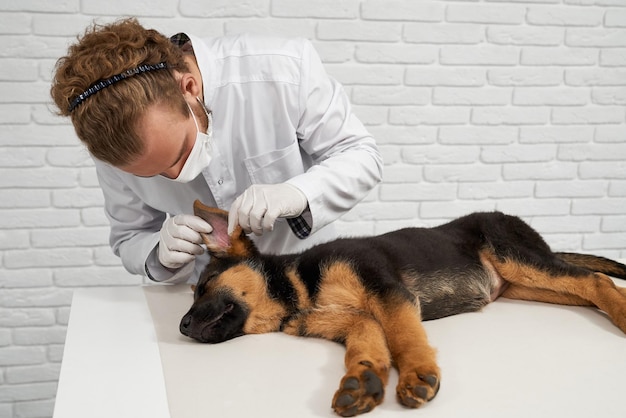
Why Choose Veterinary Ultrasound Over MRI in Casselberry

Why Choose Veterinary Ultrasound Over MRI in Casselberry
When your pet is facing a health concern, quick answers and clear guidance matter. As a pet owner in Casselberry or the surrounding communities, you may find yourself wondering which diagnostic imaging option is best for your dog or cat: ultrasound or MRI. At 4 Paws Imaging FL, located at 195 Concord Dr, Casselberry, FL 32707, we specialize in advanced veterinary ultrasound services designed specifically for the needs of pets. Our veterinary professionals offer a range of non-invasive imaging options, from abdominal ultrasounds to echocardiograms, and our focus is on providing fast, safe, and affordable answers for your pet’s health.
This blog will help you understand when ultrasound is the ideal first choice over MRI, what each imaging tool can reveal about your pet’s condition, and how our specialized diagnostic services in Casselberry can make a difference. Whether you’re seeking an expert abdominal ultrasound or want to know more about our echocardiogram capabilities, we’re here to guide you through the diagnostic process with compassion and clarity.
Recognizing When Your Pet Needs Advanced Imaging
It can be worrisome to see your beloved companion showing signs of illness or discomfort. Many pet owners notice subtle changes that prompt questions about what type of diagnostic imaging might be needed. Signs that your pet could benefit from advanced imaging include unexplained weight loss, vomiting that persists for more than a day, changes in appetite, abdominal swelling, unusual heart rhythms, coughing, or difficulty breathing. Other indications are lethargy, persistent pain, or unexpected changes in urination or defecation.
In some cases, your family veterinarian may recommend a more in-depth evaluation when initial bloodwork or X-rays do not provide enough information. For example, if a routine exam uncovers an enlarged organ, a suspected mass, or a heart murmur, your veterinarian may refer you to a specialty imaging center like 4 Paws Imaging FL for further assessment. Understanding these signs and acting promptly can make a significant difference in the outcome for your pet.
How Ultrasound and MRI Work: What Sets Them Apart
Both ultrasound and MRI are powerful diagnostic tools, but they serve distinct roles in veterinary medicine. Ultrasound uses high-frequency sound waves to create real-time images of the inside of your pet’s body. This technique excels at visualizing soft tissues such as the liver, kidneys, spleen, bladder, and heart, as well as monitoring pregnancies or identifying fluid accumulation. Because it provides immediate feedback, ultrasound is often the first-line imaging choice for many internal conditions.
MRI, or magnetic resonance imaging, uses magnetic fields and radio waves to generate highly detailed images, particularly of the brain, spinal cord, and joints. While MRI offers exceptional clarity for neurological or orthopedic cases, it typically requires general anesthesia and is a longer, more costly procedure.
At our Casselberry facility, we focus on ultrasound because it is non-invasive, does not expose pets to radiation, and usually does not require sedation. This means your pet can often remain calm and comfortable during their exam, and results are available quickly for your veterinarian to interpret.
Ultrasound Advantages in Veterinary Medicine
Ultrasound is a safe and gentle imaging option for pets of all ages and health statuses. It is especially useful for evaluating organs within the abdomen, detecting tumors, monitoring pregnancies, and assessing heart function. Because the procedure is quick and does not involve exposure to ionizing radiation, it is often the preferred choice for repeated evaluations or for pets with underlying health concerns.
Our veterinary professionals are highly trained in performing and interpreting ultrasounds, ensuring that your pet receives an accurate diagnosis and a tailored care plan. Specialized services such as thyroid ultrasound and pregnancy ultrasounds are also available, supporting a wide range of diagnostic needs.
Why Ultrasound Is Often the First Step
When your veterinarian refers your pet for imaging, the goal is to choose the least invasive, most informative, and most accessible option. In many cases, ultrasound meets these criteria. For example, if your dog is experiencing urinary issues, an abdominal ultrasound can quickly identify bladder stones, tumors, or structural abnormalities. If your cat has developed a heart murmur, an echocardiogram can provide detailed information about heart structure and function, guiding treatment decisions.
Ultrasound can also be repeated over time to monitor disease progression or response to therapy without risk to your pet. MRI, while invaluable in certain neurological or musculoskeletal cases, is generally reserved for situations where ultrasound or other imaging methods cannot provide the necessary detail.
Diagnostic Scenarios: When Ultrasound Shines
Every pet is unique, and so are their medical needs. For instance, consider a middle-aged dog with persistent vomiting and weight loss. An abdominal ultrasound can reveal issues such as liver disease, pancreatitis, or intestinal blockages that might not show up clearly on X-rays. In another situation, a senior cat with difficulty breathing could benefit from a cardiac ultrasound to assess for heart disease or fluid around the lungs.
Because ultrasounds are performed in real-time, our veterinary team can watch how organs move and function, which offers dynamic insights not possible with static images. This is particularly important for heart evaluations and monitoring the health of developing puppies or kittens during pregnancy.
What to Expect During a Veterinary Ultrasound Appointment
When you bring your pet to 4 Paws Imaging FL for an ultrasound, you can expect a thorough, gentle experience from start to finish. Most pets do not need sedation and can remain comfortably awake during the procedure. Our veterinary professionals use specialized equipment to capture detailed images, and the process typically takes less than an hour.
The area to be examined is shaved to allow for optimal contact with the ultrasound probe, and a gel is applied to improve image quality. You may be able to stay with your pet during the exam, and our team will answer any questions you have throughout the process. After the procedure, results are shared promptly with your referring veterinarian, ensuring continuity of care.
Preventive Care and the Role of Imaging
While advanced imaging is most often used to diagnose illness, it can also play a vital role in preventive care. Screening ultrasounds are sometimes recommended for breeds prone to certain hereditary conditions, such as heart disease in some dog breeds or thyroid issues in older cats. Early detection through ultrasound can allow for earlier intervention and better long-term outcomes.
Maintaining regular veterinary checkups, monitoring your pet for changes in behavior or health, and following your veterinarian’s recommendations for diagnostic imaging are key steps in keeping your companion healthy. At our Casselberry location, we work closely with primary care veterinarians to provide the specialized imaging your pet needs, when they need it most.
When to Seek Specialized Veterinary Imaging
It’s important to recognize when advanced imaging goes beyond the scope of routine care. If your veterinarian has recommended an ultrasound, or if your pet is experiencing symptoms that are not responding to initial treatments, a referral to a specialty imaging center may be the next step. Common indications include unexplained weight loss, persistent vomiting or diarrhea, suspected tumors, abnormal bloodwork, heart murmurs, or pregnancy monitoring.
Our team at 4 Paws Imaging FL is dedicated to collaborating with your primary veterinarian, providing expert imaging services that support a complete diagnostic picture. If you have questions about whether your pet would benefit from ultrasound, we encourage you to consult your veterinarian or reach out to our Casselberry clinic directly.
The Value of Choosing a Specialty Imaging Center
Choosing a specialty imaging center like 4 Paws Imaging FL ensures your pet receives care from veterinary professionals with advanced training in diagnostic imaging. Our equipment is specifically designed for veterinary patients, and our team’s expertise means more accurate results and tailored recommendations for your pet’s unique situation.
By focusing on imaging modalities such as ultrasound, echocardiograms, electrocardiograms, Holter monitoring, and thyroid assessment, we are able to provide targeted answers that guide your pet’s care. You can explore our full range of veterinary imaging services to learn more about how we support both pets and primary veterinarians in Casselberry and beyond.
Finding a Specialty Vet Near Me: Your Next Steps in Casselberry
When your pet’s health is at stake, you want answers you can trust. If you find yourself searching for a “specialty vet near me” in Casselberry, look for a diagnostic imaging center with a strong track record, skilled veterinary professionals, and a caring approach to both pets and their owners. At 4 Paws Imaging FL, we are committed to delivering advanced ultrasound and related services with compassion and expertise.
If your veterinarian has recommended an ultrasound or other specialized imaging, or if you have questions about what service might be right for your pet, we invite you to contact our team. We work closely with referring veterinarians and pet owners to ensure seamless care, clear communication, and the best possible outcomes. To schedule a consultation, call (321) 343-4758 or visit us at 195 Concord Dr, Casselberry, FL 32707. You can also explore our abdominal ultrasound services or browse our full veterinary imaging services for more information.
Our veterinary professionals are here to support you and your pet every step of the way, providing specialized care when accurate diagnosis matters most. For personalized answers and peace of mind, trust 4 Paws Imaging FL to be your specialty imaging partner in Casselberry and the surrounding communities.
This blog is intended for informational purposes only and is not a substitute for professional veterinary advice. Always consult your veterinarian for specific recommendations regarding your pet’s health. For more information about advanced veterinary imaging, visit reputable sources such as the American College of Veterinary Radiology www.acvr.org.