When Does Your Pet Need an Electrocardiogram?

When Does Your Pet Need an Electrocardiogram?
If you have ever wondered whether your dog or cat might need an electrocardiogram, you are not alone. Heart health is an important concern for every pet owner, and noticing changes in your pet’s behavior, energy level, or breathing can be worrying. At 4 Paws Imaging FL, located at 195 Concord Dr, Casselberry, FL 32707, we specialize in advanced veterinary imaging services, including electrocardiograms (ECGs), to help veterinarians and pet owners find clear answers about their pet's heart health. This blog will guide you through when an ECG might be recommended for your pet, what the test involves, and how it can provide crucial information for keeping your companion healthy. Whether you are in Casselberry or the surrounding communities, our board-certified specialists are here to support your pet’s well-being with state-of-the-art diagnostics.
Recognizing When Your Pet Might Need an ECG
Understanding when an electrocardiogram is appropriate for your pet starts with being aware of certain warning signs and situations that can indicate heart rhythm issues. While many pets show no outward symptoms of heart problems in the early stages, there are some changes you might notice at home that warrant further investigation.
Symptoms that suggest a heart rhythm abnormality include fainting or sudden collapse, often described as your pet "passing out" for a few moments and then quickly recovering. Other signs can involve persistent coughing, difficulty breathing, or unexplained weakness that does not improve with rest. Additionally, if your veterinarian hears an irregular heartbeat, called an arrhythmia, during a routine exam, they may recommend an ECG to assess the situation more closely.
In some cases, pets with breeds known to have a higher risk for heart disease, such as Boxers, Doberman Pinschers, or Maine Coon cats, may be referred for an ECG even before symptoms develop. Changes in exercise tolerance, new behaviors like reluctance to play, or episodes of seeming "spaced out" can also lead to a recommendation for heart rhythm testing. If you notice any of these symptoms in your dog or cat, it is important to bring them to your family veterinarian, who may then refer you to our specialty imaging center for advanced diagnostics.
What Causes Heart Rhythm Problems in Pets?
Heart rhythm disturbances, or arrhythmias, can develop for a variety of reasons in dogs and cats. Some are related to underlying structural heart disease, while others may occur due to hormonal imbalances, systemic illnesses, or even genetic predispositions. For instance, certain medications, toxins, or metabolic conditions can disrupt the heart’s normal electrical signals, leading to irregular rhythms.
Structural heart disease, such as cardiomyopathy or valve disorders, can alter the way the heart beats and cause arrhythmias. In older pets, age-related changes in the heart muscle or electrical conduction system are also common contributors. Infections, inflammation, or even trauma can sometimes result in abnormal heart rhythms. For some breeds, inherited genetic mutations may make them more sensitive to developing heart issues, which is why early screening with tests like ECGs can be particularly valuable.
If your veterinarian suspects any of these underlying causes, they may refer your pet for advanced imaging and diagnostic services at 4 Paws Imaging FL. Our team works closely with your primary veterinarian to ensure your pet receives the most accurate diagnosis and tailored recommendations for their care.
How Electrocardiograms Help Diagnose Heart Issues
An electrocardiogram is a non-invasive and painless test that records the electrical activity of your pet’s heart. This test is critical for identifying arrhythmias, determining their type, and guiding further treatment decisions. At 4 Paws Imaging FL, we use advanced ECG technology interpreted by board-certified veterinary specialists, ensuring the highest standard of accuracy for your pet’s results.
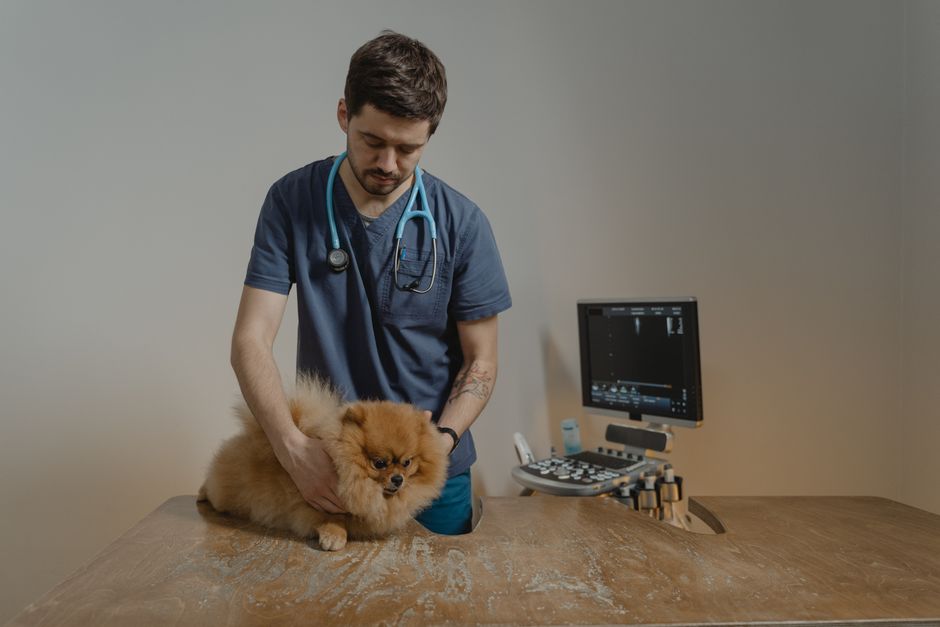
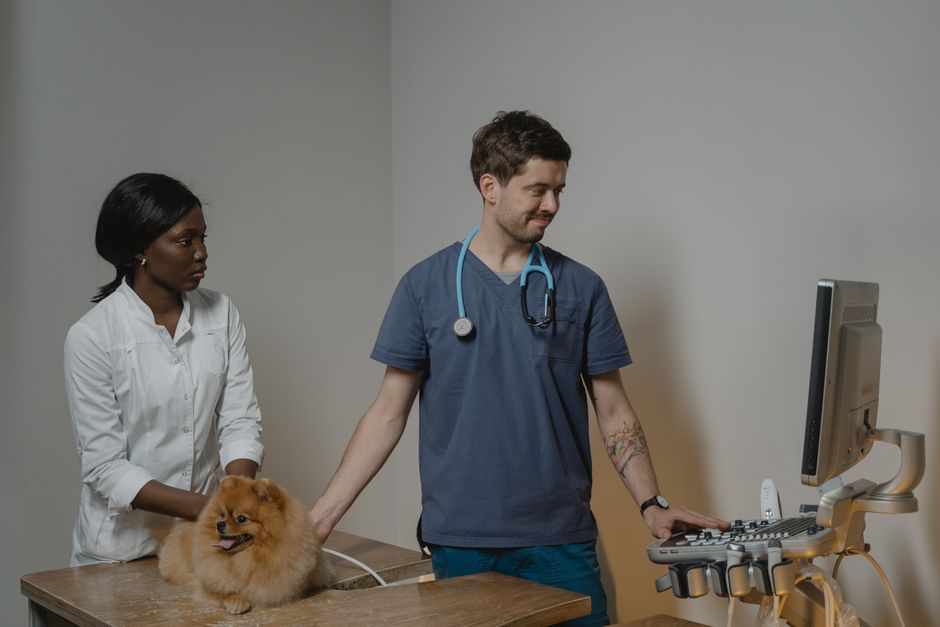
During an ECG, your pet will lie comfortably on a padded table while small sensors are gently attached to their skin. These sensors detect the electrical impulses that control the heartbeat, allowing us to see patterns that indicate whether the rhythm is normal or abnormal. The entire process is quick and causes no discomfort, making it safe for even anxious or sensitive pets.
The results from an ECG can reveal specific arrhythmias such as atrial fibrillation, ventricular premature complexes, or heart block. Identifying the type and severity of the rhythm issue is essential for guiding the next steps in your pet’s care. In some cases, additional testing like an echocardiogram or Holter monitor may be recommended to provide a more complete picture of heart health, especially if your veterinarian suspects an intermittent issue that may not show up during a brief ECG.
To learn more about how we perform this essential diagnostic test, you can visit our page on veterinary ECG service for pets in Casselberry, FL.
What to Expect: The Process of Getting an ECG for Your Pet
If your family veterinarian refers you to 4 Paws Imaging FL for an electrocardiogram, you can expect a straightforward and stress-free experience. Most pets do not require sedation for an ECG, and the procedure typically takes just a few minutes. Our team of veterinary professionals will make every effort to ensure your pet feels comfortable and secure throughout the process.
After your pet’s ECG is performed, the results are carefully reviewed by a board-certified veterinary specialist. We work closely with your referring veterinarian to interpret the findings, discuss what the patterns mean, and recommend any additional tests or treatments if necessary. In some situations, your veterinarian may request a Holter monitor to record your pet’s heart rhythm over a full 24 hours, providing even more detailed information about intermittent arrhythmias.
Our focus at 4 Paws Imaging FL is on providing advanced diagnostics, not ongoing treatment or medication prescriptions. Your primary veterinarian remains your pet’s main healthcare provider and will integrate the results from our imaging center into their overall care plan.
Can You Prevent Heart Rhythm Issues in Your Pet?
While not all heart rhythm problems in pets can be prevented, there are steps pet owners can take to support their dog or cat’s heart health. Regular veterinary checkups are key to early detection of any potential issues. Keeping your pet at a healthy weight, providing regular exercise appropriate to their age and breed, and feeding a balanced diet can all contribute to better cardiovascular health.
It is also important to follow your veterinarian’s guidance regarding breed-specific screenings or early diagnostic testing, especially if your pet is in a higher-risk category for heart disease. Avoiding exposure to known toxins, ensuring that chronic conditions like thyroid disease are well-managed, and keeping up with preventive care all play important roles in reducing risk.
At home, you can watch for subtle changes in breathing, energy, and exercise tolerance. If your pet is prescribed medication for any reason, always follow dosing instructions closely and notify your veterinarian of any unusual side effects.
When Should You Seek Veterinary Care for Heart Rhythm Concerns?
If you notice your pet suddenly collapsing, experiencing difficulty breathing, fainting, or developing a persistent cough, it is vital to contact your veterinarian promptly. These symptoms can be signs of a serious heart problem that requires immediate attention. Your veterinarian may recommend an ECG or refer you directly to our imaging center for specialized testing.
Additionally, if your veterinarian detects an irregular heartbeat during a routine exam or if your pet belongs to a breed at higher risk for heart disease, they may suggest an electrocardiogram even if your pet is not showing overt symptoms. Early detection of arrhythmias can lead to better outcomes and a more comfortable life for your pet.
At 4 Paws Imaging FL, we do not provide emergency care, but our diagnostic imaging services offer the advanced tools your veterinarian needs to make informed decisions about your pet’s heart health. If your pet is in distress, always seek immediate veterinary attention with your regular veterinarian or a local emergency clinic.
Why Choose 4 Paws Imaging FL for Your Pet’s Advanced Heart Diagnostics?
When your pet’s health is at stake, having access to board-certified specialists and state-of-the-art diagnostic technology can make all the difference. 4 Paws Imaging FL is dedicated exclusively to advanced imaging for pets, including ECGs, echocardiograms, abdominal ultrasounds, and Holter monitoring. Our commitment to accurate diagnostics and collaborative care with your primary veterinarian ensures that your pet receives the highest level of specialty attention available.
Pet owners in Casselberry and surrounding communities trust our veterinary imaging professionals for timely, compassionate, and precise diagnostic services. If your veterinarian has recommended an electrocardiogram or you are seeking advanced heart testing for your dog or cat, our team is ready to help you find answers.
To explore our full range of diagnostic options, visit our veterinary imaging services page.
Take the Next Step for Your Pet’s Heart Health
Recognizing changes in your pet’s behavior, breathing, or energy levels can be unsettling, but you do not have to navigate these concerns alone. Advanced heart testing, such as an electrocardiogram, provides vital information that helps your veterinarian create the best possible care plan for your pet.
If your veterinarian recommends an ECG or other advanced imaging, the team at 4 Paws Imaging FL in Casselberry, FL is here to support you every step of the way. To learn more about our services or to schedule a referral appointment, call us at (321) 343-4758. When you search for a "cardiology vet near me," trust that our board-certified specialists and advanced imaging technology will provide the answers your pet deserves.
Always consult your family veterinarian for specific health concerns, as this blog is for informational purposes only and is not a substitute for professional veterinary advice. If you have questions about whether your pet could benefit from an electrocardiogram or want more information about our specialty imaging services, explore our ECG service for pets or reach out to our veterinary imaging professionals today. Your pet’s heart health is our top priority.