Echocardiograms for Pets: Heart Health Answers in Casselberry
Echocardiograms for Pets: Heart Health Answers in Casselberry
When your dog or cat starts showing signs of tiredness, coughing, or even fainting, it is natural to worry about their heart. As a pet owner in Casselberry or the surrounding communities, you want answers delivered with expertise and care. At 4 Paws Imaging FL, our team specializes in advanced veterinary imaging, including echocardiograms, to provide those answers quickly and compassionately. Located at 195 Concord Dr, Casselberry, FL 32707, we work closely with your regular veterinarian to offer non-invasive, cutting-edge cardiac diagnostics for small animals. In this blog, we will explore what an echocardiogram is, signs your pet may need one, what to expect during the procedure, and how our Casselberry-based board-certified veterinary imaging specialists can bring peace of mind to your family this summer.
Recognizing Heart Disease in Dogs and Cats
Heart disease is more common in pets than many owners realize, and early detection is crucial for effective management. Recognizing the subtle and not-so-subtle signs can make all the difference in your pet’s quality of life. Common symptoms of heart issues in dogs and cats include coughing, rapid or labored breathing, fainting or collapsing episodes, exercise intolerance, decreased appetite, and swelling of the abdomen or limbs. Additionally, you may notice your pet tiring more quickly on walks or seeming less eager to play, especially in the Florida heat. In cats, the signs can be even subtler, sometimes showing up as hiding more often or just seeming less active than usual. If you notice these changes, it is important to consult your family veterinarian, who may recommend advanced imaging to get a clearer picture of your pet’s heart health.
Understanding Why Heart Disease Happens
Heart problems in pets can arise from a variety of causes. Some breeds are more prone to specific heart conditions; for example, Cavalier King Charles Spaniels are well-known for their risk of mitral valve disease, while Maine Coon cats can be predisposed to a form of heart muscle disease called hypertrophic cardiomyopathy. Other contributing factors include age, genetics, underlying health conditions like thyroid disease, and even chronic dental infections that can affect the heart over time. In some cases, heart conditions are present from birth, while others develop later in life. The warm and humid climate in Casselberry can also place additional stress on pets with underlying heart conditions, making early and accurate diagnosis essential for their wellbeing.
The Role of Echocardiograms in Diagnosing Pet Heart Disease
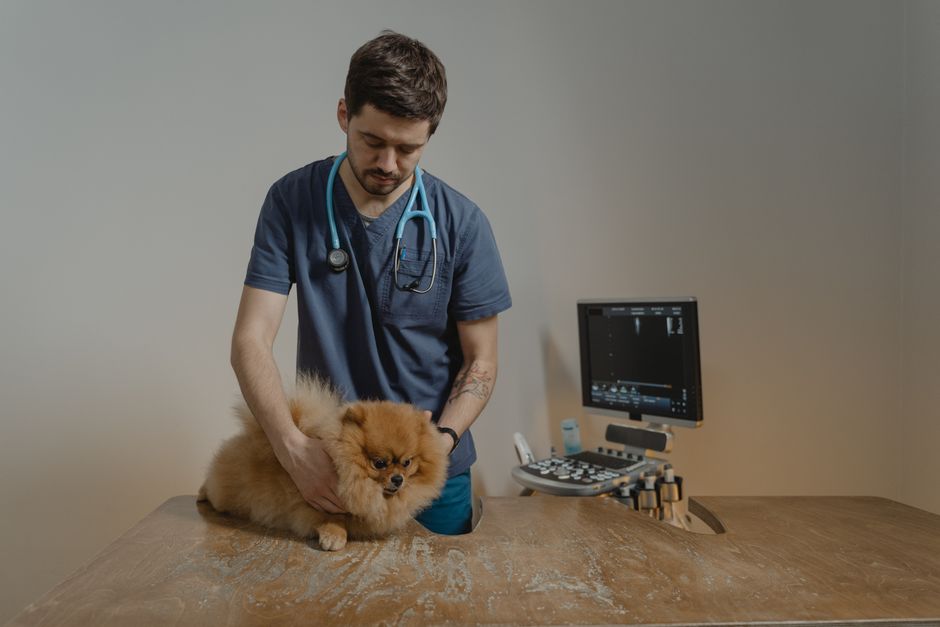
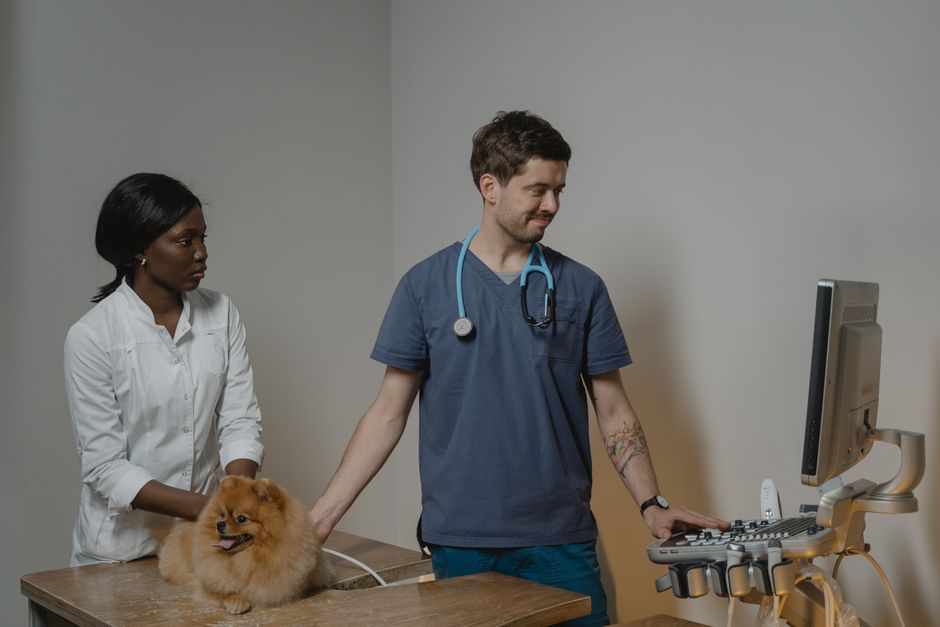
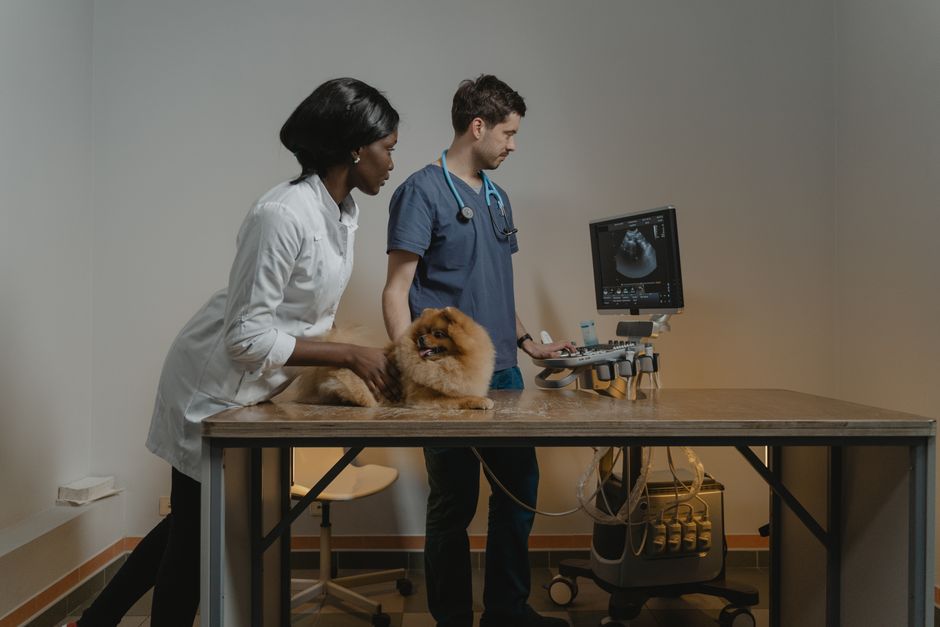
An echocardiogram is a specialized ultrasound that allows our veterinary imaging specialists to see your pet’s heart in real time. Unlike standard X-rays, which only provide a silhouette of the heart, an echocardiogram shows the internal structures, blood flow, and movement of the heart valves and walls. This non-invasive test is considered the gold standard for diagnosing most types of heart disease in companion animals. When your regular veterinarian suspects a cardiac issue, they may refer your pet to 4 Paws Imaging FL for an echocardiogram. Our board-certified specialists use state-of-the-art technology to assess everything from congenital heart defects to acquired diseases like dilated cardiomyopathy or valve degeneration. The information gained from this procedure helps guide treatment decisions, monitor disease progression, and, in some cases, rule out cardiac disease altogether.
To learn more about what is involved in a comprehensive cardiac evaluation for pets, visit our page detailing comprehensive echocardiogram ultrasounds for pet heart health, read by a Board Certified Cardiologist.
What Happens During a Pet Echocardiogram?
Many pet owners are understandably nervous about advanced diagnostics, but echocardiograms are gentle and generally well-tolerated by both dogs and cats. The procedure involves your pet lying comfortably on a padded table while a veterinary specialist applies a small amount of gel and gently glides an ultrasound probe over their chest. Most pets do not require sedation; in fact, keeping them calm and comfortable is key to getting the best images. The entire process usually takes 30 to 60 minutes, and you can expect our specialists to explain each step and answer your questions throughout the visit. After the exam, our board-certified imaging professionals will interpret the results and provide a detailed report to your referring veterinarian, who will discuss the best plan for your pet’s ongoing care.
Managing Heart Disease: What Comes Next?
If an echocardiogram reveals a cardiac problem, do not lose hope—many pets with heart conditions can live happy, active lives with the right management. Treatment approaches vary depending on the diagnosis but often include medications to help the heart pump more efficiently, control blood pressure, or prevent fluid buildup in the lungs. Your veterinarian may also recommend dietary changes, regular monitoring, and follow-up imaging to track your pet’s response to treatment. Some conditions, such as early-stage mitral valve disease, may only require routine observation, while others might need more frequent checkups. The expertise of a board-certified imaging specialist ensures that your pet’s heart disease is accurately characterized, allowing your family veterinarian to tailor therapy to your pet’s specific needs.
For owners wanting a broader overview of our imaging capabilities—including abdominal and thyroid ultrasounds as well as other cardiac diagnostics—explore our veterinary imaging services including echocardiograms, abdominal ultrasound, thyroid ultrasound, ECGs, and pregnancy scans.
What You Can Do at Home to Support Your Pet’s Heart Health
While some aspects of heart disease are beyond your control, there are important steps you can take at home to support your dog or cat’s cardiac health. Maintaining a healthy weight, providing regular exercise appropriate for your pet’s age and condition, and ensuring access to fresh water are all vital. For pets with known or suspected heart disease, it is important to minimize stress and avoid overheating, especially during Casselberry’s hot summer months. Monitoring your pet for changes in breathing, activity level, or appetite and communicating any concerns to your veterinarian can make a significant difference in early detection and management. Always follow your veterinarian’s guidance regarding medication and dietary recommendations, and keep all follow-up appointments for ongoing monitoring.
When Should You Seek Advanced Cardiac Evaluation?
Knowing when to pursue advanced diagnostics such as an echocardiogram can be challenging. You should seek further evaluation if your regular veterinarian notices a new or worsening heart murmur, observes abnormal rhythms on an ECG, or if your pet develops symptoms like fainting, coughing, or difficulty breathing. Additionally, certain breeds with a higher risk of heart disease may benefit from proactive screening, even before symptoms appear. If you are concerned about your pet’s heart or have questions about whether an echocardiogram is right for your dog or cat, do not hesitate to reach out to your primary veterinarian for a referral to our specialty practice. For those preparing for a cardiac appointment, you can streamline your visit by completing our Echocardiogram Patient History Form for pet owners or referring veterinarians ahead of time.
Why Choose 4 Paws Imaging FL for Your Pet’s Heart Health in Casselberry?
At 4 Paws Imaging FL, we are dedicated to providing the highest standard of veterinary imaging for companion animals in Casselberry and the surrounding communities. Our board-certified specialists use advanced technology and a compassionate approach to deliver clear answers in times of uncertainty. Whether your pet has been referred for a heart murmur, suspected heart failure, or routine screening, you can trust our veterinary imaging team to work hand-in-hand with your regular veterinarian for seamless care. If you find yourself searching for a “cardiology vet near me,” know that specialized support is available right here in your community.
Your pet’s health and comfort are always our top priority. If you are ready to schedule a referral, have questions about echocardiograms for pets, or want to learn more about our imaging services, contact our veterinary professionals at 4 Paws Imaging FL. Call us at (321) 343-4758 to speak with our caring team, or visit our website to explore our comprehensive echocardiogram ultrasounds for pet heart health, read by a Board Certified Cardiologist and other advanced diagnostics.
If you are worried about your dog or cat’s heart, let our expertise bring you peace of mind. The team at 4 Paws Imaging FL is here to help you navigate your pet’s heart health journey with clarity, compassion, and state-of-the-art care.