When Does Your Cat Need a Thyroid Ultrasound?
When Does Your Cat Need a Thyroid Ultrasound?
If your cat has suddenly started losing weight, acting restless, or showing changes in appetite, you might be feeling worried and searching for answers. Feline thyroid problems, especially hyperthyroidism, are common in middle-aged and older cats and can lead to a variety of concerning symptoms. At 4 Paws Imaging FL, located at 195 Concord Dr, Casselberry, FL 32707, our board-certified veterinary imaging specialists work closely with your family veterinarian to provide advanced diagnostics like thyroid ultrasound, helping to pinpoint the cause of your cat’s symptoms and guide the best possible treatment. In this blog, we will explore the signs that suggest your cat may need a thyroid ultrasound, discuss why these problems develop, explain how veterinary imaging fits into the diagnostic process, and outline what to expect if your veterinarian refers your cat for this specialized service in Casselberry and surrounding communities.
Recognizing Signs of Thyroid Disease in Cats
Many cat owners first notice subtle changes at home before a diagnosis is made. Hyperthyroidism, the most common thyroid disorder in cats, often develops gradually. Key symptoms include noticeable weight loss despite a normal or even increased appetite. You may see your cat eating more food but still losing muscle and body fat. Other signs to watch for are increased activity or restlessness, frequent vocalization, vomiting, diarrhea, increased thirst and urination, a dull or unkempt coat, and sometimes rapid breathing or a racing heartbeat that you can feel when petting your cat.
If your cat is older and starts acting anxious, pacing the house, or struggling to settle, this can also be a red flag for thyroid issues. Some cats become withdrawn or irritable, while others may seem unusually affectionate. Any combination of these symptoms should prompt a call to your primary veterinarian, who can perform an initial evaluation and recommend further testing if needed.
Understanding Why Thyroid Problems Occur in Cats
Feline hyperthyroidism is most often caused by a benign (non-cancerous) growth of the thyroid gland, which leads to excessive production of thyroid hormones. These hormones control your cat’s metabolism, so when levels are too high, the body’s processes speed up dramatically. This causes the classic symptoms of weight loss, hyperactivity, increased appetite, and changes in heart rate.
While the exact reason why some cats develop thyroid nodules or adenomas is not fully understood, factors such as age, genetics, and environmental influences may play a role. Hyperthyroidism is most commonly diagnosed in cats over the age of 10. In rare cases, malignant (cancerous) tumors can affect the thyroid gland, making precise diagnosis through advanced imaging even more important.
How a Thyroid Ultrasound Helps Diagnose Feline Thyroid Disease
When your primary veterinarian suspects a thyroid issue based on exam findings and bloodwork, they may recommend referral for a specialized thyroid ultrasound to confirm the diagnosis and determine the best course of treatment. At 4 Paws Imaging FL, our board-certified veterinary imaging specialists use high-resolution ultrasound equipment to provide a detailed view of your cat’s thyroid glands.
A thyroid ultrasound is a non-invasive procedure that allows us to assess the size, shape, and structure of the thyroid glands in real time. This imaging can reveal whether there is a single enlarged gland, both glands are affected, or if a discrete mass or nodule is present. By guiding the diagnosis with this level of detail, ultrasound helps differentiate between benign and potentially malignant causes of thyroid enlargement, as well as identify any involvement of surrounding tissues.
For cats with abnormal bloodwork but unclear physical findings, or for those being considered for advanced treatments such as radioactive iodine therapy or surgery, thyroid ultrasound plays an essential role in planning the next steps. If you are interested in a deeper overview of this specialized diagnostic tool, visit our thyroid ultrasound information page.
What to Expect When Your Cat Is Referred for a Thyroid Ultrasound
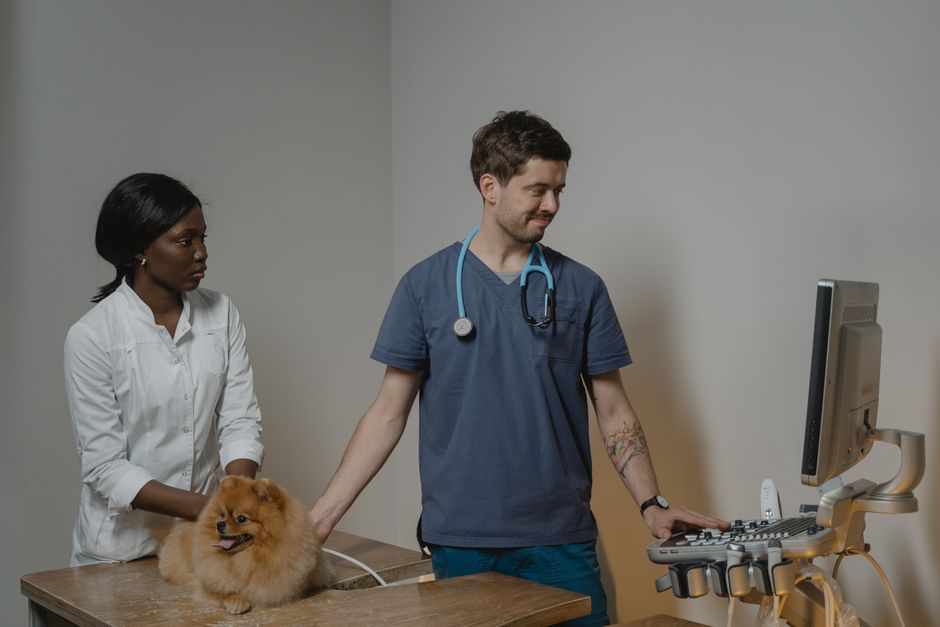
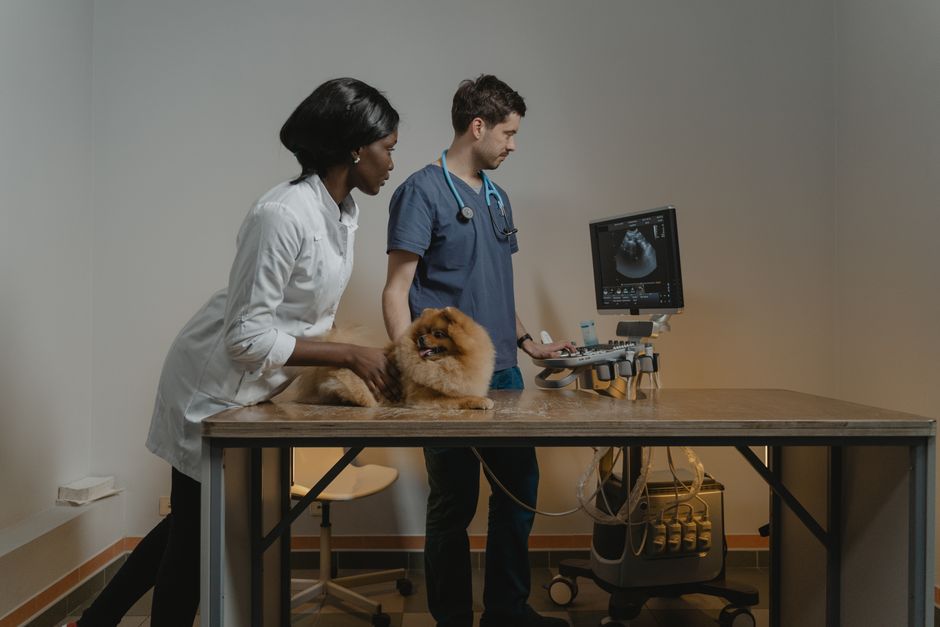
If your veterinarian recommends a thyroid ultrasound, you will receive a referral to our specialty imaging team at 4 Paws Imaging FL. The process begins with a review of your cat’s medical history and any recent laboratory results. On the day of the appointment, your cat will be gently positioned on a comfortable padded surface, and a small area of fur on the neck may be shaved to allow clear imaging.
Most cats tolerate the procedure well with careful gentle handling. Sedation is rarely needed, but our team will always prioritize your cat’s comfort and safety. The ultrasound exam typically takes about 20 to 30 minutes. Our veterinary imaging specialists will interpret the images and provide a detailed report to your primary veterinarian, ensuring a seamless transition from diagnosis to treatment planning.
Treatment and Management Options After Diagnosis
Once the cause and extent of your cat’s thyroid problem are identified, your primary veterinarian will discuss appropriate treatment options. These may include daily oral medication to control thyroid hormone levels, dietary management, surgical removal of the affected gland, or referral for advanced therapies such as radioactive iodine treatment. The treatment approach will depend on your cat’s overall health, the nature of the thyroid enlargement, and any concurrent conditions.
Thyroid ultrasound helps guide these decisions by providing crucial information about whether one or both glands are involved, whether a nodule appears benign or suspicious, and whether there are changes in nearby tissues. For cats with additional symptoms such as vomiting or abdominal discomfort, your veterinarian may also recommend an abdominal ultrasound to evaluate other organs and rule out concurrent illnesses.
What Cat Owners Can Do at Home
While the diagnosis and treatment of thyroid disease require veterinary oversight, there are important steps you can take to support your cat’s health at home. Monitoring your cat’s weight, appetite, water intake, and activity level can help you spot changes early. Keeping a journal of symptoms and sharing this information with your veterinarian can improve the accuracy and speed of diagnosis.
Ensure your cat is eating a balanced, age-appropriate diet and has easy access to fresh water at all times. Administer any prescribed medications exactly as directed, and follow up promptly for lab work or imaging rechecks as recommended. If your cat is on medication for thyroid disease, regular monitoring is essential to ensure dosing remains appropriate over time.
When to Seek Professional Veterinary Imaging for Your Cat
If you notice any of the signs discussed earlier—such as weight loss, increased appetite, restlessness, or a change in your cat’s energy level—it is important to schedule an evaluation with your primary veterinarian. If initial tests suggest a thyroid disorder, a referral to a board-certified imaging specialist at 4 Paws Imaging FL may be the next step. Early diagnosis and precise imaging are critical for creating an effective treatment plan and improving your cat’s quality of life.
Should your cat experience sudden collapse, difficulty breathing, or severe lethargy, seek emergency care right away. For most cases, however, the process involves close collaboration between your primary veterinarian and our specialty team to ensure your cat receives the highest standard of care.
Why Choose 4 Paws Imaging FL for Feline Thyroid Ultrasound in Casselberry
When searching for a specialty vet near me to handle complex cases like suspected thyroid disease, choosing a team with advanced training and up-to-date technology is crucial. At 4 Paws Imaging FL, our board-certified veterinary imaging specialists provide thorough, compassionate diagnostic services that support your veterinarian’s treatment plan. We serve Casselberry and surrounding communities, offering clear communication and detailed imaging reports so you always know what to expect.
If your cat has been referred for a thyroid ultrasound or you are concerned about possible thyroid issues, we invite you to reach out to our veterinary imaging team. For more information about our services or to discuss your cat’s specific needs, call us at (321) 343-4758 or visit our thyroid ultrasound page for additional details.
Your cat’s health and comfort are our top priorities at 4 Paws Imaging FL, and we are here to help guide you through every step of the diagnostic process. With advanced imaging and a collaborative approach, we support you and your veterinarian in providing the very best care for your feline companion.