Is a Pet Ultrasound Needed in Hot, Humid Weather?
Is a Pet Ultrasound Needed in Hot, Humid Weather?
Florida’s summers are known for their soaring temperatures and muggy humidity, and both people and pets can feel the impact. As a pet owner, it’s natural to worry when your dog or cat isn’t acting quite right during the hottest months. Maybe you’ve noticed heavier panting, decreased appetite, or just a sense that something isn’t normal. You may be wondering if these changes are simply the result of the weather or if there could be a more serious underlying issue. At 4 Paws Imaging FL, located at 195 Concord Dr, Casselberry, FL 32707, our specialty veterinary team is dedicated to providing advanced diagnostic imaging, including ultrasounds, echocardiograms, and electrocardiograms, to help your pet get the answers and care they need. In this blog, we’ll explore when hot, humid weather might signal deeper health concerns in your pet, why a veterinarian may recommend an ultrasound, and how specialty imaging can bring peace of mind during Florida’s challenging summer season.
Recognizing Symptoms: When Heat and Humidity May Signal More Than Just Discomfort
During the summer, it’s common for dogs and cats to seek out cool, shady spots and drink more water. However, there are times when the signs you observe go beyond normal adjustments to the heat. Symptoms to watch for include persistent lethargy, excessive panting or respiratory effort, vomiting or diarrhea that does not resolve, refusal to eat for more than 24 hours, or abdominal discomfort such as restlessness, swelling, or sensitivity when touched. In some cases, you may notice your pet coughing, fainting, or showing signs of weakness that seem out of character, especially after only minimal activity. These symptoms can sometimes indicate that underlying medical issues are being aggravated by the stress of the weather, rather than caused by the heat itself.
Heat can sometimes mask or mimic other illnesses. For instance, a dog that is panting more might be suffering from heart disease or respiratory problems, not just heat stress. Likewise, a cat hiding under the bed during the day could be experiencing abdominal pain rather than just seeking a cooler spot. Noticing subtle changes and understanding your pet’s normal summer behavior is key to recognizing when something more serious could be at play.
Why Hot, Humid Weather Can Expose Underlying Pet Health Concerns
Florida’s climate puts extra strain on your pet’s body, particularly if they already have an underlying condition. High heat and humidity can make it harder for pets with heart disease, kidney problems, or certain endocrine disorders to regulate their body temperature and manage normal organ function. For example, a pet with early heart disease may have no obvious symptoms during the cooler months but could suddenly collapse or struggle to breathe in hot weather. Similarly, chronic kidney disease can become more noticeable when dehydration is more likely.
The combination of heat and humidity can also mask signs of conditions like internal bleeding, abdominal tumors, or organ dysfunction, as mild symptoms may be dismissed as “just the weather.” It’s important to understand that while heat-related illnesses such as heatstroke are emergencies, underlying diseases often present with similar signs and can become more dangerous if not diagnosed early.
The Role of Ultrasound and Advanced Imaging in Diagnosing Summer Health Issues
When a pet isn’t recovering from heat-related symptoms as expected, or when symptoms persist despite keeping them cool and hydrated, your primary care veterinarian may recommend advanced imaging. At 4 Paws Imaging FL, our specialty services focus on providing precise answers through ultrasounds, echocardiograms, electrocardiograms, and Holter monitors.
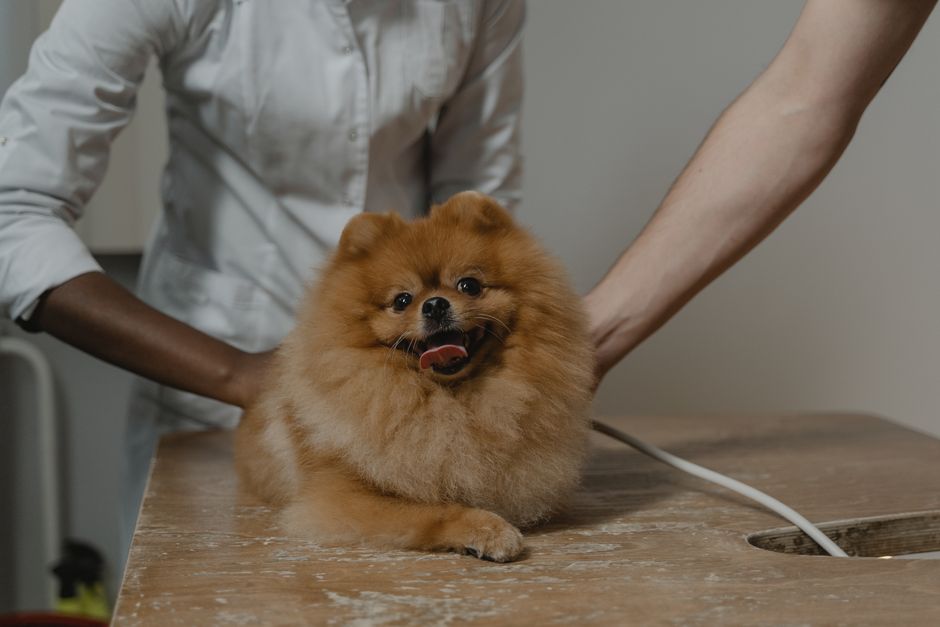
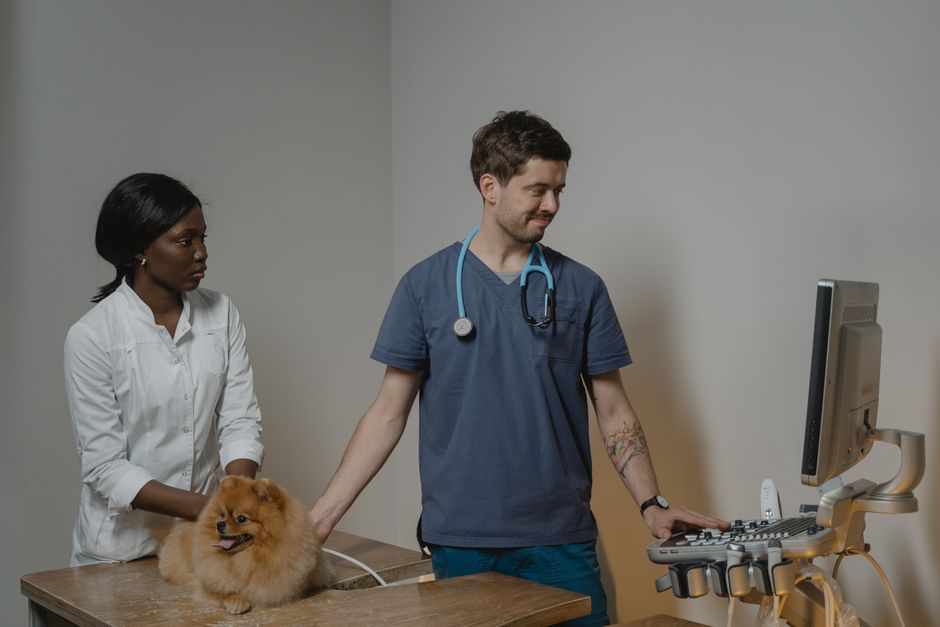
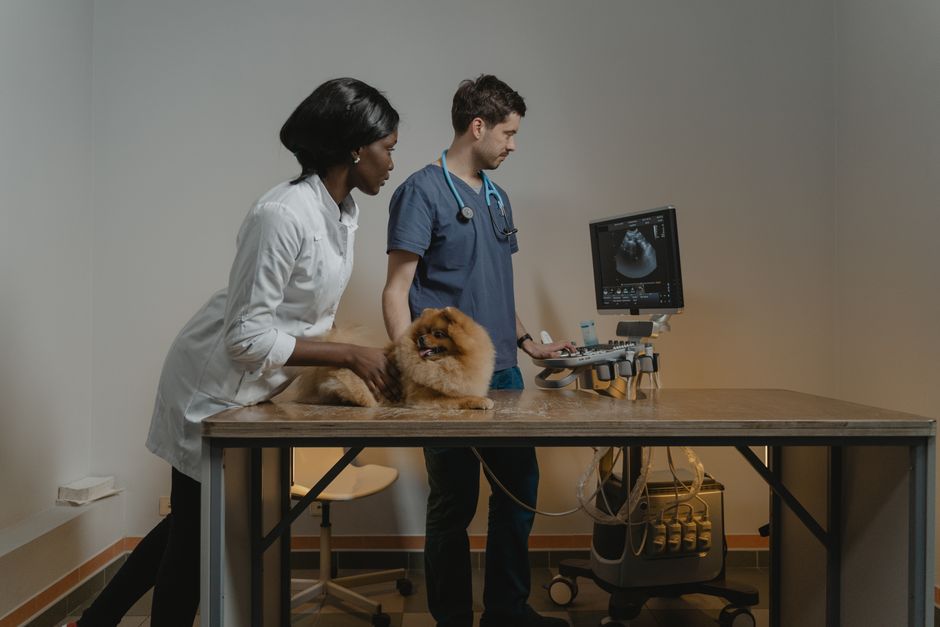
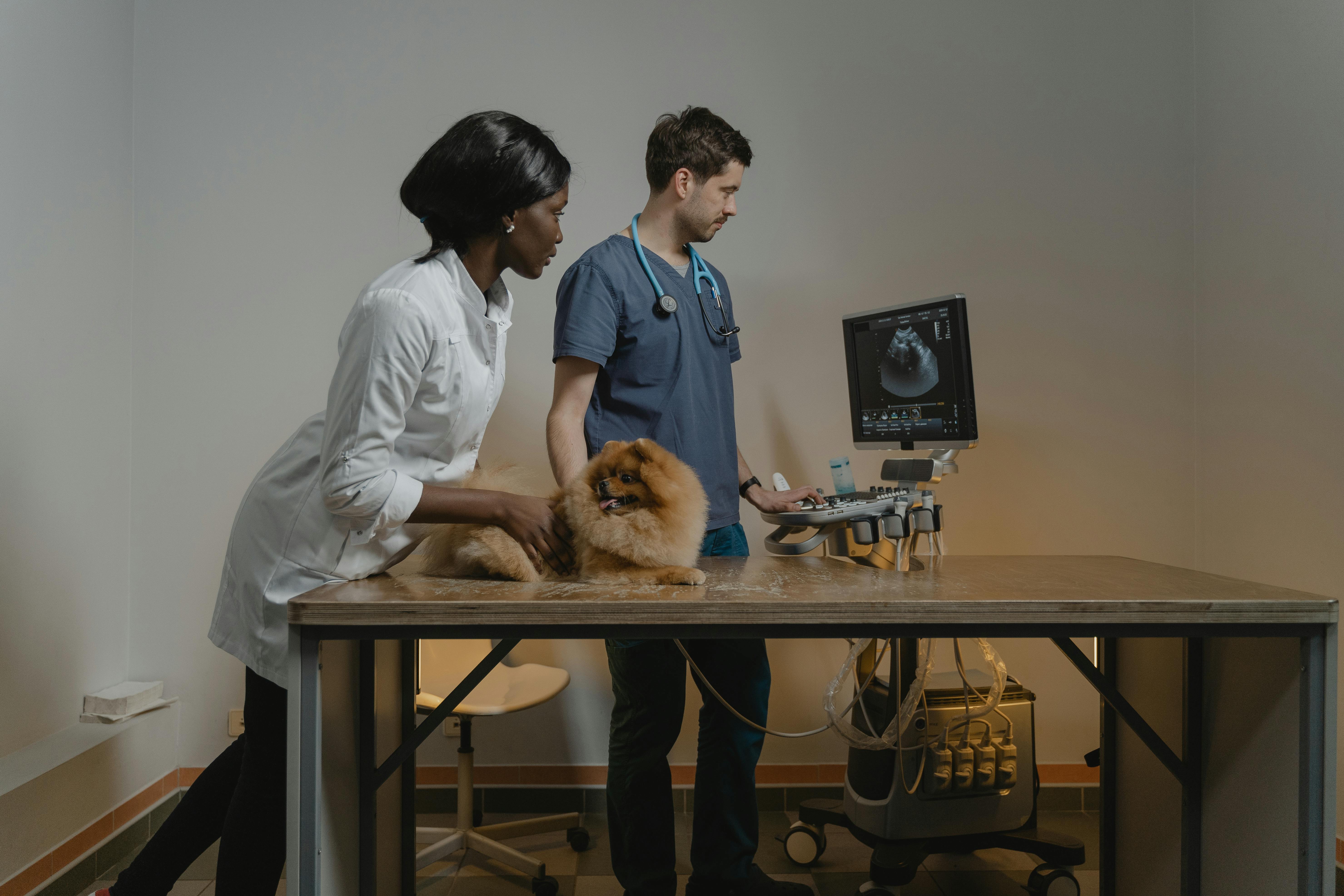
Ultrasound is a non-invasive diagnostic tool that allows veterinary professionals to visualize your pet’s internal organs in real time. This technology is incredibly valuable in cases where abdominal pain, vomiting, or swelling is present, as it can reveal issues such as tumors, fluid accumulation, blockages, or organ enlargement. For pets with unexplained weakness or respiratory distress, an echocardiogram provides a detailed assessment of heart function and structure, which is crucial for identifying heart disease that may be exacerbated by summer’s stressors.
Electrocardiograms and Holter monitors are used to detect abnormal heart rhythms that can cause fainting or collapse, symptoms that may become more apparent in hot, humid weather. These advanced imaging options ensure that your veterinarian has a clear picture of what’s happening inside your pet, leading to faster, more accurate diagnoses and targeted treatment plans.
What to Expect: The Specialty Imaging Process at 4 Paws Imaging FL
If your primary care veterinarian refers your pet for an ultrasound or other advanced imaging, you can expect a collaborative and compassionate experience. Our veterinary team will review your pet’s medical history and current symptoms, focusing on the issues that have become noticeable during the summer months. The imaging itself is typically non-invasive and does not require anesthesia, though some pets may be lightly sedated if they are extremely anxious or unable to remain still.
For abdominal ultrasounds, your pet will have a small area of fur shaved to allow the ultrasound probe to make contact with the skin. The procedure is usually well-tolerated and takes about 20 to 40 minutes. Echocardiograms and electrocardiograms are similarly gentle and provide immediate information about heart health. After the imaging is complete, our team will communicate results to your referring veterinarian, who will discuss the findings and next steps with you.
Our goal is to make the process as smooth and stress-free as possible for both you and your pet, providing clarity and reassurance during a time that can feel uncertain.
At-Home Prevention: Keeping Pets Safe and Healthy in Florida’s Summer
While advanced imaging is sometimes necessary to uncover underlying issues, there are important steps you can take at home to help your pet navigate the challenges of hot, humid weather. Always provide access to fresh, cool water and shade, and avoid outdoor activities during the hottest parts of the day. Watch for signs of overheating, such as heavy panting, drooling, red or pale gums, or stumbling, and bring your pet inside immediately if you notice these symptoms.
Maintaining your pet’s regular veterinary checkups is crucial, as your primary care veterinarian can often catch subtle changes before they become emergencies. Monitor your pet’s weight, appetite, and activity level closely during the summer, and take note of any changes that do not resolve within a day or two. Remember that older pets and those with pre-existing health issues are at greater risk for complications in extreme weather.
If your pet is acting differently and the usual cooling measures are not helping, do not assume it is just the heat. Early intervention and advanced imaging can make a significant difference in your pet’s outcome.
When to Seek Veterinary Care: Understanding When an Ultrasound May Be Needed
Knowing when to move from home care to professional help is critical. You should contact your veterinarian promptly if your dog or cat is experiencing persistent vomiting or diarrhea, labored breathing, reluctance to move, collapse, abdominal swelling, or unexplained weight loss. These symptoms may indicate serious conditions such as heart failure, internal bleeding, or organ dysfunction, all of which can worsen quickly in hot, humid conditions.
If your veterinarian suspects an underlying cause beyond simple heat stress, they may recommend a referral to a specialty imaging center such as 4 Paws Imaging FL. Our advanced diagnostic tools, including ultrasound, echocardiogram, and electrocardiogram, help pinpoint the exact issue so that your pet receives the right treatment as quickly as possible. Remember, acting promptly can dramatically improve your pet’s prognosis and comfort.
Why Specialty Imaging Matters for Florida Pets
Florida’s climate presents unique challenges for pets, especially those with hidden medical conditions that become more apparent in the summer. Specialty imaging bridges the gap between symptoms and answers, allowing your veterinarian to move beyond guesswork and provide targeted, effective care. At 4 Paws Imaging FL, our focus is on supporting both pet owners and referring veterinarians in Casselberry and surrounding communities with advanced diagnostics that can transform your pet’s health journey.
Our veterinary professionals are dedicated to helping your dog or cat thrive, no matter how challenging the weather may be. We understand that timely, accurate information is essential for both peace of mind and quality care.
Take Action: Ensuring Your Pet’s Health This Summer
If you notice changes in your dog or cat’s behavior during hot, humid weather and wonder whether an ultrasound or other advanced imaging is needed, don’t hesitate to reach out to your primary care veterinarian. They can help determine whether a specialty referral is appropriate and guide you through the next steps. When searching for a specialty vet near me, trust that 4 Paws Imaging FL offers the advanced expertise and compassionate care your pet deserves.
Our team is proud to serve Casselberry and surrounding communities with leading-edge diagnostic imaging, providing clear answers and a path forward for your pet’s health. For more information about our services or to coordinate a referral, visit us at 195 Concord Dr, Casselberry, FL 32707.
Your pet’s health and comfort are our top priorities. With advanced imaging and a collaborative approach, we help ensure that your best friend gets the care they need, no matter how high the thermometer climbs this summer.
This blog is for informational purposes and should not replace professional veterinary advice. If your pet is experiencing severe symptoms or sudden decline, contact your primary care veterinarian or local emergency veterinary clinic immediately.