How Veterinary Imaging Detects Hidden Pet Health Issues

How Veterinary Imaging Detects Hidden Pet Health Issues
Every pet owner wants their dog or cat to enjoy a healthy, happy life. But what happens when your pet seems healthy on the outside, yet something may be lurking beneath the surface? Detecting internal health issues in pets can be challenging, especially when symptoms are subtle or nonexistent. That is where advanced veterinary imaging comes in. At 4 Paws Imaging FL, located at 195 Concord Dr, Casselberry, FL 32707, our specialty team partners with your primary veterinarian to provide diagnostic ultrasounds, echocardiograms, electrocardiograms, Holter monitors, pregnancy ultrasounds, and thyroid imaging for dogs and cats. These sophisticated imaging methods allow us to spot hidden health concerns early, often before your pet even shows outward signs of illness.
In this blog, we will explore how specialty veterinary imaging detects internal problems, the signs that might prompt your veterinarian to recommend these advanced diagnostics, and why choosing a practice like 4 Paws Imaging FL can make all the difference for your pet’s lifelong wellbeing. Whether your family veterinarian has referred you to us for a specific test, or you are simply interested in how these technologies work, this article will help you understand the power of imaging in safeguarding your pet’s health.
Recognizing When Imaging May Be Needed: Signs of Hidden Health Issues in Pets
It is common for dogs and cats to hide signs of illness, making it difficult for even the most attentive pet owners to spot trouble early. Many internal problems can progress for weeks or months before noticeable symptoms appear. Some of the signs that may indicate an underlying issue include subtle changes such as decreased appetite, mild weight loss, increased drinking or urination, intermittent vomiting, coughing, or decreased energy levels. In some cases, your veterinarian may notice abnormal findings during a physical exam or routine bloodwork that prompt further investigation.
For example, a cat with early kidney disease may only show increased thirst, while a dog with a developing heart condition might tire more easily on walks. While these signs can seem mild or easily attributed to aging, they often warrant a closer look. Advanced imaging provides a non-invasive way to see what is happening inside your pet’s body, helping your veterinarian pinpoint the cause of these changes before they become more serious.
How Do Internal Health Issues Develop in Dogs and Cats?
There are many reasons why pets develop hidden health conditions. Genetics, age, lifestyle, and environmental exposures all play a role. Some problems, like heart disease or abdominal tumors, develop gradually and may not cause obvious symptoms until they become advanced. Others, such as thyroid disorders or early pregnancy, may only be identified through targeted imaging.
Internal issues can involve the heart, abdominal organs, endocrine glands, or even the reproductive system. For example, certain breeds are prone to heart muscle changes that can only be detected through echocardiograms, while older cats may develop thyroid nodules that are not palpable from the outside. In addition, some pets may have congenital abnormalities that are not apparent without imaging studies. Understanding your pet’s risk factors and working closely with your primary veterinarian can help catch these problems early, and specialty imaging is often the key to unlocking answers.
Advanced Veterinary Imaging: What to Expect and How It Helps Your Pet
When your veterinarian recommends advanced imaging, the goal is to get a clear, detailed view of your pet’s internal organs and structures. At 4 Paws Imaging FL, our board-certified specialists use state-of-the-art equipment and techniques to provide precise answers for your pet’s health concerns.
Abdominal Ultrasounds
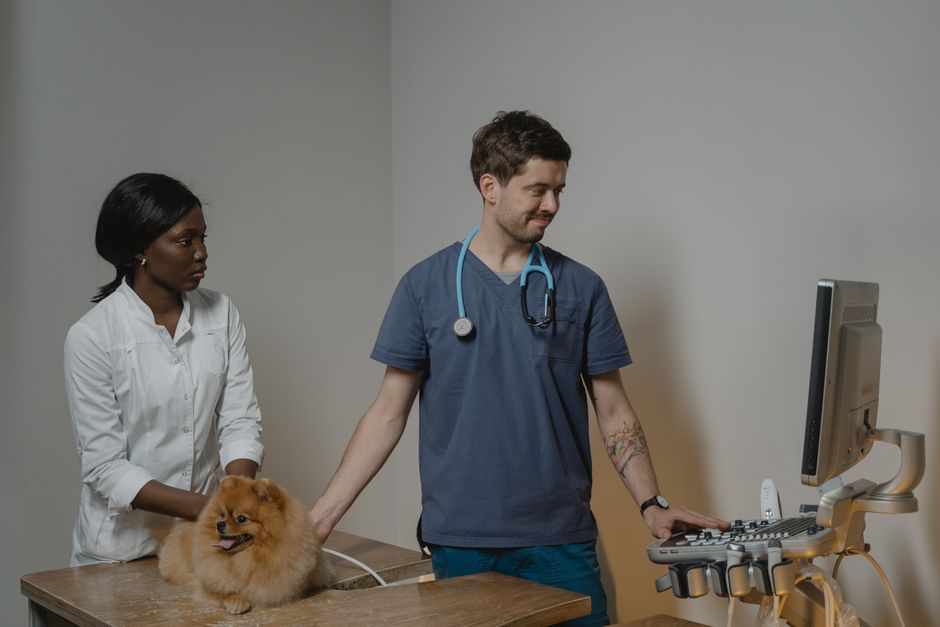
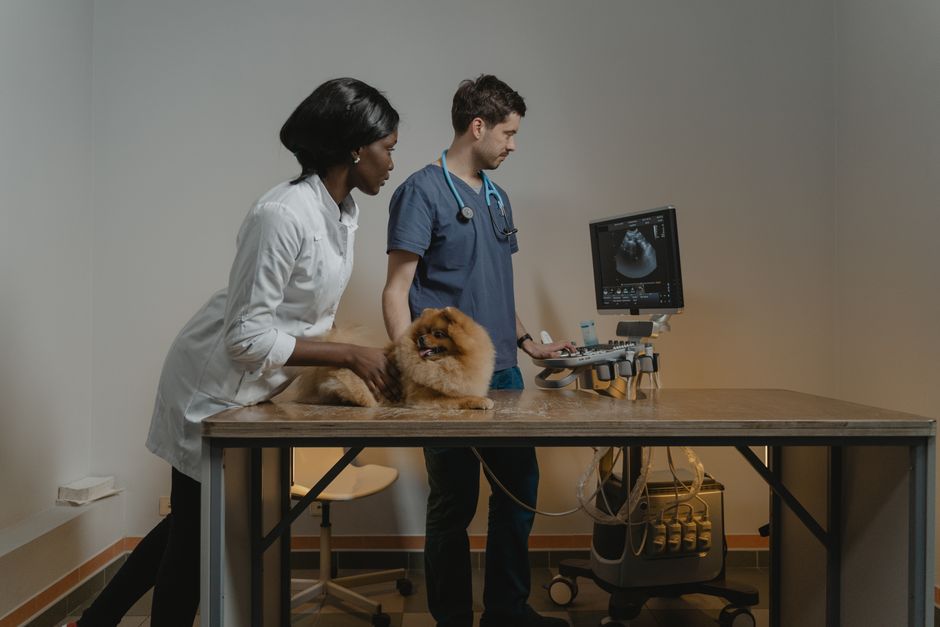
Abdominal ultrasound is a gentle, non-invasive procedure that allows us to visualize your pet’s liver, spleen, kidneys, bladder, gastrointestinal tract, and other abdominal organs in real time. This test can help diagnose masses, organ enlargement, cysts, bladder stones, and other internal abnormalities. You can learn more about abdominal ultrasound diagnostics for pets and how they may benefit your dog or cat if your veterinarian suspects an internal issue.
Echocardiograms and Heart Screening
Echocardiograms use ultrasound technology to assess your pet’s heart structure and function. This is especially important for breeds at risk for heart disease, pets with heart murmurs, or those showing signs of coughing or exercise intolerance. Our specialty team provides comprehensive echocardiogram and heart screening services for pets, helping your veterinarian determine the best course of action for your pet’s cardiac health.
Electrocardiograms and Holter Monitors
An electrocardiogram (ECG) records your pet’s heart rhythm and electrical activity, which is vital for diagnosing arrhythmias or abnormal heartbeats. For pets experiencing intermittent symptoms, a Holter monitor may be used to record heart activity over 24 to 48 hours while your pet is at home. These tests allow your veterinarian to detect hidden cardiac issues that could otherwise go unnoticed. Learn about our electrocardiogram testing and heart health diagnostics and how Holter monitors can provide additional insights when needed.
Pregnancy and Thyroid Ultrasounds
For breeding animals or pets with suspected hormone imbalances, pregnancy and thyroid ultrasounds offer a safe and accurate way to gather critical information. Pregnancy ultrasounds can confirm fetal health and development, while thyroid imaging helps diagnose nodules or enlargement that might not be evident on bloodwork alone.
Each of these imaging services is interpreted by a board-certified specialist, ensuring the highest level of expertise. The results are promptly shared with your referring veterinarian, so your pet receives coordinated, team-based care.
How Imaging Guides Treatment and Improves Outcomes
The power of veterinary imaging lies in its ability to provide clear answers. Once a diagnosis is made, your veterinarian can tailor a treatment plan that is specific to your pet’s needs. For example, if an abdominal ultrasound reveals a benign liver cyst, your veterinarian may recommend periodic monitoring rather than surgery. If an echocardiogram uncovers early heart disease, medications or lifestyle adjustments can be started before symptoms worsen.
Imaging also plays a crucial role in monitoring chronic conditions, guiding surgical planning, and evaluating whether a treatment is working. It gives both you and your veterinarian peace of mind, knowing that decisions are based on the most accurate information available. At 4 Paws Imaging FL, our commitment to collaboration means your pet benefits from the collective expertise of both our specialty team and your family veterinarian.
Preventive Steps and Home Care for Your Pet’s Hidden Health
While some internal health issues are unavoidable due to genetics or age, there are many ways pet owners can support their dog’s or cat’s wellbeing at home. Regular veterinary checkups are essential, as your veterinarian is trained to spot early warning signs that may go unnoticed. Keeping a close eye on your pet’s appetite, thirst, urination habits, and energy levels can provide valuable clues. At home, ensuring your pet maintains a healthy weight, receives appropriate exercise, and eats a balanced diet all contribute to long-term organ health.
When your veterinarian suggests advanced imaging, it is important to follow through promptly. Early detection allows for less invasive treatments and better outcomes. If you notice any changes in your pet’s behavior or health, such as vomiting, coughing, difficulty breathing, or persistent lethargy, do not hesitate to reach out to your veterinary team for guidance.
When Should You Seek Advanced Veterinary Imaging?
Knowing when to pursue specialty imaging can make a life-changing difference for your dog or cat. Your veterinarian might refer you for imaging if your pet is experiencing unexplained weight loss, chronic vomiting or diarrhea, new or worsening heart murmurs, difficulty breathing, fainting episodes, or if a mass is felt during an exam. In breeding animals, pregnancy ultrasounds provide peace of mind and support healthy outcomes for both the mother and her offspring.
It is always best to err on the side of caution. If you have concerns about your pet’s health or your veterinarian has recommended imaging, do not delay. Early diagnosis is the key to effective treatment and a better quality of life for your pet. At 4 Paws Imaging FL, our veterinary imaging professionals are here to make the process as comfortable and informative as possible, with results quickly communicated to your referring veterinarian.
Specialty Imaging for Pets in Casselberry and Surrounding Communities
Your pet’s health is a priority, and sometimes the most important answers lie beneath the surface. Advanced veterinary imaging offers a window into your dog’s or cat’s internal health, empowering you and your veterinarian to make informed decisions. Whether your pet needs an abdominal ultrasound, echocardiogram, or another specialty diagnostic, our team at 4 Paws Imaging FL is here to help.
If you are searching for a specialty vet near me, or your veterinarian has recommended advanced imaging, trust our board-certified specialists to provide compassionate, expert care right here in Casselberry and surrounding communities. To learn more about our full range of advanced imaging services, visit our overview of all advanced veterinary imaging services, or speak with your referring veterinarian about scheduling an appointment with our team.
For questions or to coordinate your pet’s imaging referral, call (321) 343-4758, or visit us at 195 Concord Dr, Casselberry, FL 32707. Your pet’s well-being is our top priority, and we look forward to supporting your family veterinarian in providing the very best for your cherished companion.