How Thyroid Ultrasound Helps Diagnose Pet Health Issues
How Thyroid Ultrasound Helps Diagnose Pet Health Issues
If your dog or cat has been acting differently, such as losing weight unexpectedly or becoming more tired than usual, you might be feeling worried and searching for answers. Thyroid disorders are a common concern for pet owners, and understanding what is happening with your pet’s thyroid can be crucial for their wellbeing. At 4 Paws Imaging FL, located at 195 Concord Dr, Casselberry, FL 32707, our board-certified veterinary specialists use advanced diagnostic imaging—including thyroid ultrasound—to help your veterinarian pinpoint the cause of your pet’s symptoms. In this blog, we’ll explore how a thyroid ultrasound works, when it’s recommended, and why it is an essential tool for diagnosing health issues in dogs and cats. By the end, you’ll understand how our specialty practice supports both you and your primary veterinarian in making the best decisions for your pet’s health.
Recognizing Thyroid-Related Symptoms in Dogs and Cats
Many pet owners first notice subtle changes at home that may indicate a thyroid problem. Symptoms include unexplained weight loss or gain, which can sometimes be the only outward sign. Additionally, your dog or cat might become more lethargic or withdrawn, seeming less interested in play or daily activities. Other changes can involve increased thirst, changes in appetite, vomiting, diarrhea, changes in heart rate, or even difficulty breathing. In some cases, you might notice a swelling in the neck area, which could be related to the thyroid gland.
For instance, if your cat has been losing weight despite eating normally, or your dog just seems to lack their usual energy, these could be early warning signs that the thyroid isn’t working as it should. Our team frequently sees pets referred for advanced imaging following such symptoms, especially when initial bloodwork from your primary veterinarian points toward a thyroid concern. If you want more information about when unexplained weight loss in dogs or cats may indicate a bigger health issue, you can read more about dog weight loss and cat weight loss on our website.
Understanding the Thyroid Gland and Why It Matters
The thyroid gland, located in your pet’s neck, plays a vital role in regulating metabolism through the release of thyroid hormones. When the gland isn’t functioning properly, it can result in either hypothyroidism (too little hormone) or hyperthyroidism (too much hormone). Hypothyroidism is more common in dogs, while hyperthyroidism is more often seen in cats, especially as they age.
Thyroid issues can arise from a variety of causes. In dogs, decreased hormone production is often linked to immune-mediated destruction of the gland or, less commonly, tumors. In cats, increased hormone production is typically due to benign growths called adenomas, though malignant tumors can also occur. These changes in hormone levels affect nearly every organ system, which is why the signs can be so varied.
When bloodwork or physical exam findings suggest a thyroid disorder, your veterinarian may refer you to a specialty imaging center like 4 Paws Imaging FL for a thyroid ultrasound. This noninvasive imaging technique allows our veterinary specialists to visualize the thyroid gland in detail, checking for enlargement, nodules, cysts, or tumors that might be contributing to your pet’s symptoms.
How Thyroid Ultrasound Supports Diagnosis
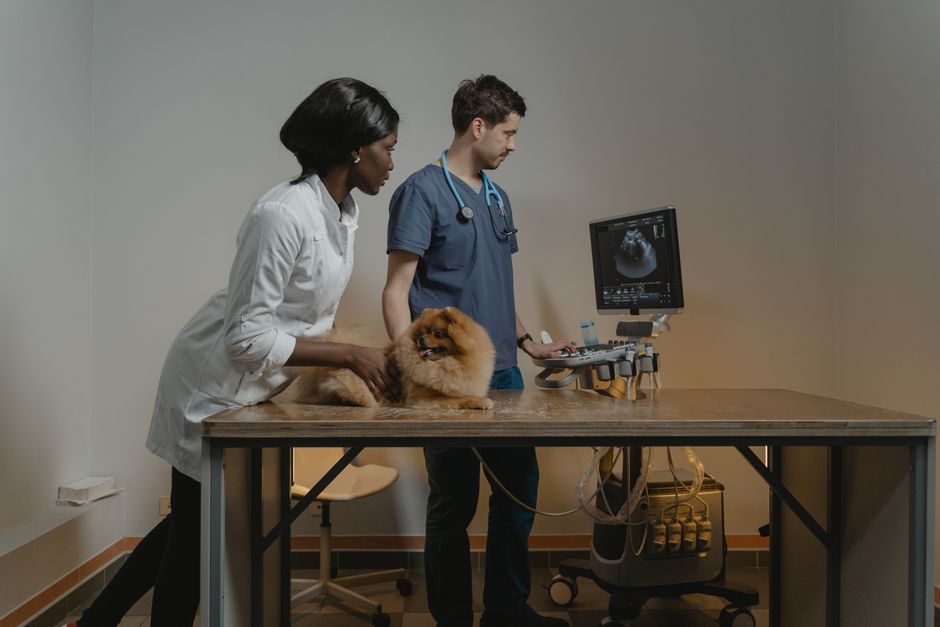
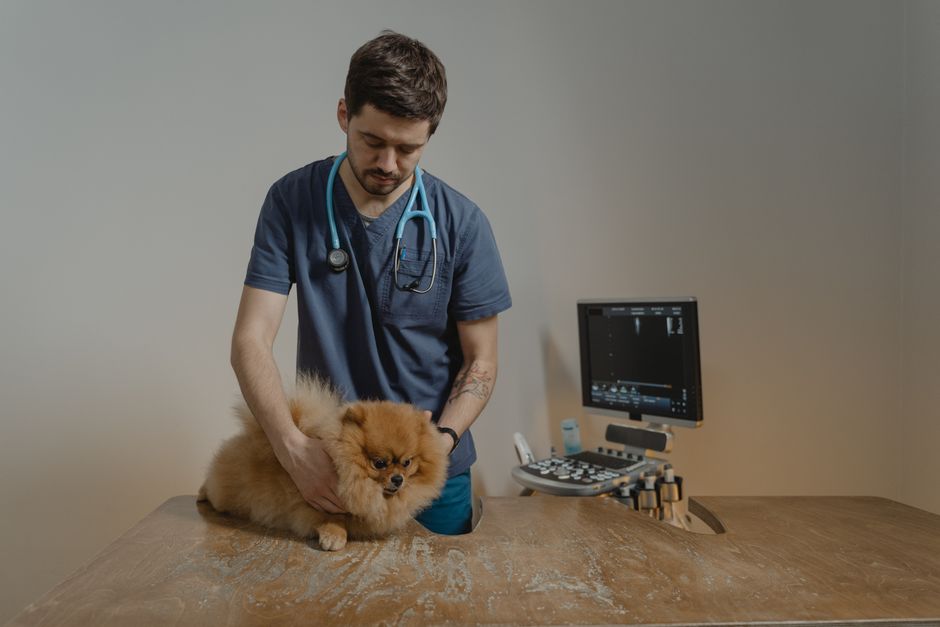
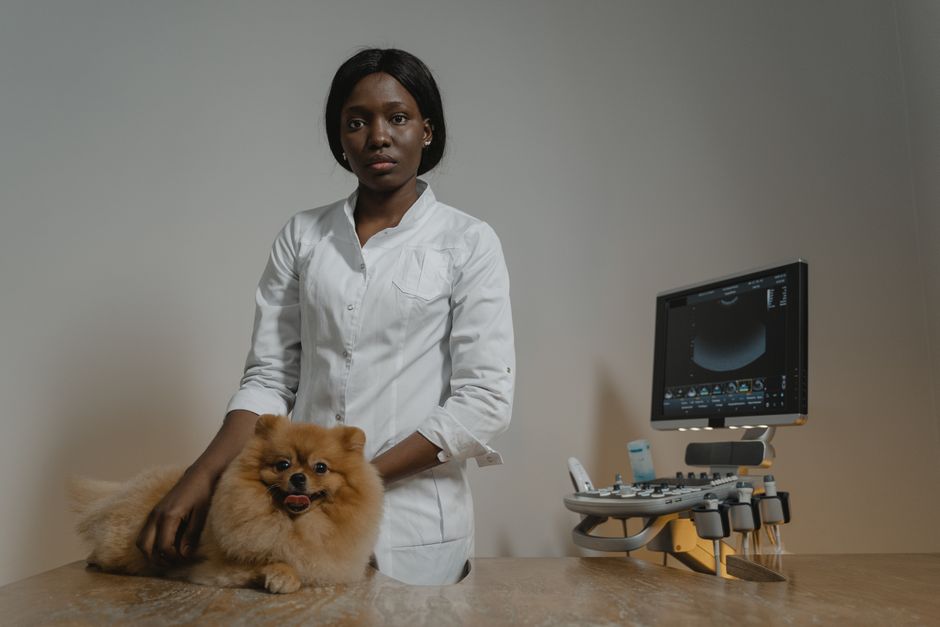
A thyroid ultrasound is a safe, painless procedure that provides real-time images of the thyroid gland’s size, shape, and structure. This advanced imaging is particularly valuable because it can detect abnormalities that might not show up on routine blood tests alone. During the ultrasound, your pet will lie comfortably while a specialized probe is gently moved along their neck. Our board-certified specialists use their expertise to interpret the images, looking for changes such as nodules, masses, or asymmetry between the glands.
Thyroid ultrasound is especially helpful for differentiating between benign and potentially malignant growths, assessing the extent of any masses, and guiding further diagnostics such as fine needle aspiration if necessary. This precision is vital for your veterinarian to choose the most appropriate treatment plan, whether that means medical management, surgical intervention, or ongoing monitoring.
If you are interested in the specifics of how this imaging technique works and what to expect during your visit, you can find more details about our thyroid ultrasound services.
When Is Thyroid Ultrasound Recommended?
A thyroid ultrasound is typically recommended when your veterinarian observes persistent symptoms that cannot be fully explained by bloodwork alone. It is also indicated if they feel a lump in your pet’s neck, or if blood tests show abnormal thyroid hormone levels. Additionally, pets with known thyroid disease who are not responding to treatment as expected may benefit from an ultrasound to rule out more complex or underlying issues.
Treatment and Management Following a Thyroid Ultrasound
Once your pet has undergone a thyroid ultrasound at our Casselberry facility, our veterinary imaging team provides a detailed report to your referring veterinarian. The information gathered from the ultrasound helps your primary vet determine the most effective next steps.
If a benign enlargement or adenoma is detected, your veterinarian may recommend medical management, such as medication to regulate thyroid hormone levels. In some cases, surgery or radioactive iodine therapy may be discussed, especially for cats with hyperthyroidism that does not respond to medication. If a concerning mass is found, additional diagnostics or referral to a veterinary oncologist may be advised.
The primary goal is always to develop a treatment plan tailored to your pet’s specific diagnosis, supported by the precise information provided through specialty imaging. Our role at 4 Paws Imaging FL is to ensure your veterinarian has the most accurate, up-to-date information to guide your pet’s care.
What Pet Owners Can Do at Home
While advanced diagnostics like thyroid ultrasound are essential for accurate diagnosis, there are practical steps you can take at home to support your pet’s health. Monitoring your dog or cat for subtle changes in energy, appetite, weight, and behavior is key. Keeping a journal of any changes can help your veterinarian spot trends that might otherwise go unnoticed.
Additionally, ensuring your pet receives regular veterinary checkups and routine bloodwork is important, especially as they age. Promptly reporting any new symptoms, such as increased thirst, vomiting, or visible swelling in the neck, can make a significant difference in catching thyroid issues early.
Providing your veterinarian with a thorough history and being proactive about follow-up care will help ensure your pet receives timely, effective treatment if a thyroid disorder is diagnosed.
When to Seek Advanced Veterinary Care
If your pet is showing symptoms such as unexplained weight loss, persistent lethargy, or a lump in the neck area, it is important to contact your primary veterinarian as soon as possible. Your veterinarian may recommend bloodwork as an initial step; however, if results are inconclusive or if more detailed evaluation is needed, a referral for specialty imaging will provide additional answers.
Our board-certified veterinary imaging specialists at 4 Paws Imaging FL work closely with referring veterinarians throughout Casselberry and surrounding communities to ensure pets receive the highest standard of care. We are dedicated to providing advanced, compassionate diagnostic services that help your veterinarian make informed decisions for your pet’s health.
For more information about when to consult a veterinarian for symptoms like lethargy, you can visit our pages on dog lethargy and cat lethargy.
Choosing a Specialty Vet Near Me for Thyroid Imaging
When searching for a specialty vet near me for advanced thyroid imaging, it is important to choose a clinic staffed by veterinary professionals with expertise in diagnostic ultrasound. At 4 Paws Imaging FL, our board-certified specialists are committed to providing accurate, timely imaging services for dogs and cats. We understand how stressful it can be when your pet is not feeling their best, and we are here to support both you and your primary veterinarian throughout the diagnostic process.
If your veterinarian has recommended a thyroid ultrasound for your pet, or if you have questions about our imaging services, please reach out to our compassionate veterinary team. You can call us at (321) 343-4758 or visit our conveniently located Casselberry facility at 195 Concord Dr, Casselberry, FL 32707. Together, we can help ensure your pet receives the advanced care and attention they deserve.
If you are concerned about your pet’s symptoms or have been referred for specialty imaging, don’t hesitate to schedule an evaluation. Our team is dedicated to providing the highest quality diagnostic imaging for pets in Casselberry and surrounding communities, supporting a healthier future for your beloved companion.