How Pregnancy Ultrasound Helps Expecting Dogs and Cats


How Pregnancy Ultrasound Helps Expecting Dogs and Cats
Expecting a litter of puppies or kittens can be both exciting and nerve-wracking for any pet owner. Whether you are a first-time dog or cat parent or have experience with breeding, knowing exactly what is happening during your pet’s pregnancy is essential for her health and the wellbeing of her future litter. At 4 Paws Imaging FL in Casselberry, FL, we understand just how important accurate, timely information is for making the best decisions for your pet. Our specialty veterinary imaging services, including pregnancy ultrasounds for dogs and cats, offer a safe, noninvasive way to monitor pregnancy progress, assess fetal health, and answer your most pressing questions about litter size or potential complications.
In this blog, we will explore how pregnancy ultrasound helps expecting dogs and cats, what you can expect during the procedure, and when to schedule an appointment with our board-certified veterinary imaging specialists. We will also discuss the signs that indicate your pet may need an ultrasound, the benefits of early and ongoing monitoring, and how our advanced technology serves families in Casselberry and surrounding communities. If you are considering a pregnancy ultrasound for your dog or cat, you are in the right place to learn more about this important diagnostic tool and how it supports healthy pregnancies.
Recognizing When a Pregnancy Ultrasound Can Help Your Dog or Cat
Knowing when to seek a pregnancy ultrasound for your pet is an important part of responsible breeding and animal care. Many pet owners wonder about the right time to schedule this diagnostic procedure or what signs might indicate a need for professional imaging. Pregnancy in dogs and cats typically lasts about two months, but physical and behavioral changes can vary widely between individuals.
Key indicators that a pregnancy ultrasound may be helpful include a confirmed or suspected breeding event, uncertainty about whether your pet is pregnant, or the presence of symptoms such as a growing abdomen, changes in appetite, nesting behaviors, or unusual lethargy. For some pets, morning sickness or mild gastrointestinal upset can also be among the first noticeable signs. In certain cases, there may be concerns about abnormal discharge, discomfort, or signs that something is not progressing as expected with the pregnancy. If your veterinarian has recommended further evaluation or if you want to confirm pregnancy before making plans for whelping or queening, an ultrasound offers the most accurate and least invasive method for early diagnosis.
Our team of imaging specialists at 4 Paws Imaging FL collaborates closely with your primary care veterinarian to ensure your pet receives the most comprehensive care possible. Whether you are looking for a routine pregnancy check or need to investigate a specific concern, our advanced imaging can provide the answers you need.
Understanding Why Pregnancy Ultrasound Is Essential for Expecting Pets
Pregnancy ultrasounds serve as a cornerstone of reproductive care for both dogs and cats. Unlike traditional x-rays, which are generally used later in pregnancy to count fetal skeletons, ultrasound uses high-frequency sound waves to create real-time images of the uterus and developing fetuses. This technology allows specialists to observe the early stages of fetal development as soon as 21 to 28 days after breeding in dogs and about 15 to 20 days in cats.
There are several reasons why a pregnancy ultrasound is recommended. First, it provides a reliable confirmation of pregnancy much earlier than most physical exams or x-rays. Additionally, it allows for assessment of fetal viability, meaning the veterinary team can detect heartbeats and monitor individual fetal health. This can be crucial if there is concern about pregnancy loss, resorption, or complications such as pyometra, a life-threatening uterine infection.
For breeders and pet owners alike, knowing the approximate litter size, assessing for singleton pregnancies, or detecting abnormalities in the uterus can help inform decisions about nutrition, whelping preparations, and when to expect labor. Early detection of pregnancy complications can also lead to more favorable outcomes by allowing timely intervention. Our veterinary imaging specialists in Casselberry utilize state-of-the-art ultrasound equipment, ensuring each scan provides as much information as possible for your dog or cat’s unique situation.
What to Expect During a Pregnancy Ultrasound Appointment
Bringing your dog or cat to 4 Paws Imaging FL for a pregnancy ultrasound is a safe and straightforward experience. The procedure is entirely noninvasive, does not expose your pet to radiation, and is typically well-tolerated by both dogs and cats of all temperaments. Most pets do not require sedation, although mild sedation may be considered in rare cases if your pet is especially anxious or sensitive.
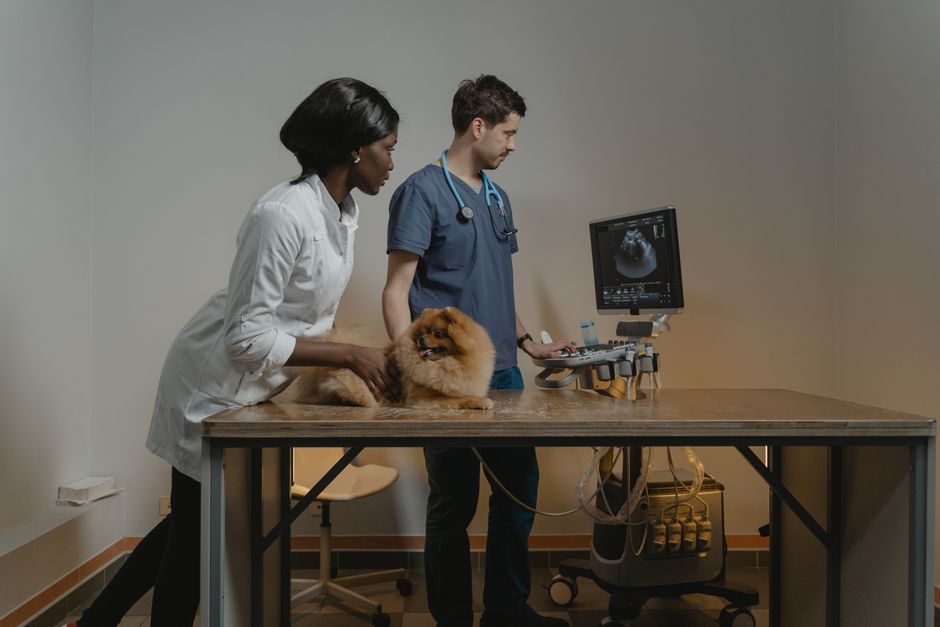
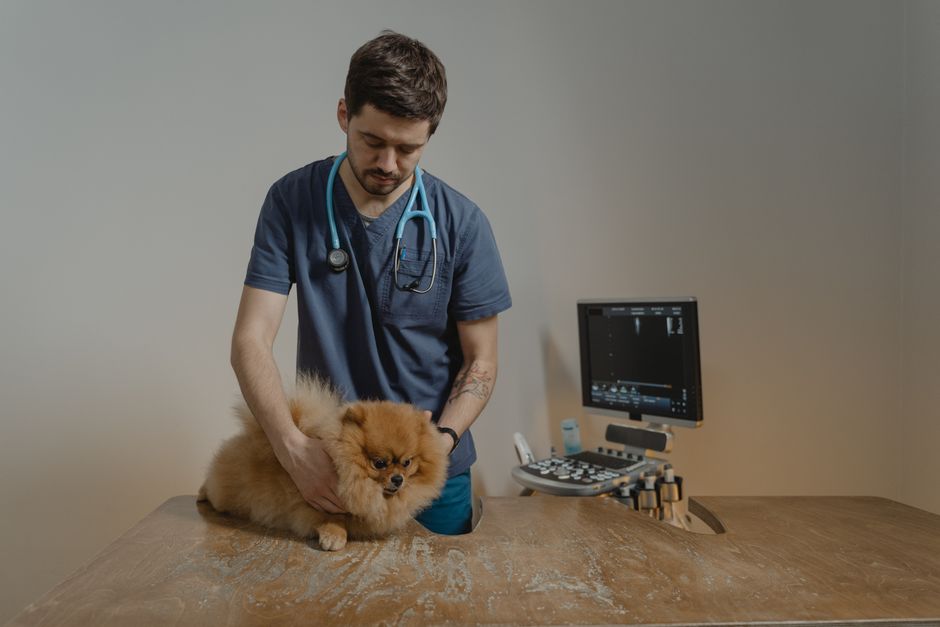
During the appointment, your pet will be gently positioned on a padded exam table, often lying comfortably on her back or side. The area of the abdomen where the ultrasound probe will be used may be shaved to improve contact and image quality. Our board-certified veterinary imaging specialists will apply a small amount of gel to the skin and then move the ultrasound probe over the abdomen to obtain detailed images of the uterus and any developing fetuses.
The entire process usually takes about 20 to 40 minutes, depending on your pet’s size, the stage of pregnancy, and how many images are needed. You may be able to view the images in real time and discuss initial findings with the veterinary professional performing the scan. In some cases, your primary care veterinarian may receive a detailed report with images and recommendations for ongoing care. Throughout the procedure, our team is focused on minimizing stress and ensuring your dog or cat feels secure and comfortable.
If you have additional questions about the ultrasound process or would like to learn more about pregnancy ultrasound services for dogs and cats, our veterinary imaging team is always happy to help.
The Benefits of Pregnancy Ultrasound for Dogs and Cats
The value of pregnancy ultrasound extends far beyond simply confirming pregnancy. This advanced diagnostic tool provides several important benefits for both pets and their owners. One of the most significant advantages is the ability to detect fetal heartbeats, which indicates viable pregnancies and can offer peace of mind during the early weeks when complications are most likely to arise.
Determining litter size is another key benefit, although it is important to note that ultrasound is most accurate for counting fetuses in the early to mid-stages of pregnancy. This information can help you prepare for whelping or queening, arrange for additional support if needed, and even plan for future homes for the puppies or kittens.
Ultrasound imaging also plays a critical role in identifying potential complications, such as fetal resorption, abnormal uterine fluid, or signs of infection. By providing a clear, real-time view of the uterus and fetuses, our veterinary imaging specialists can recommend further monitoring or medical intervention if any abnormalities are detected. For high-risk pregnancies, such as those in older dogs or cats, animals with pre-existing health conditions, or breeds prone to birthing difficulties, ultrasound offers an extra layer of reassurance and proactive care.
Additionally, for those interested in more comprehensive imaging, our practice offers other noninvasive diagnostic services. For example, if your veterinarian suspects a concurrent health issue affecting the abdomen, an abdominal ultrasound can provide valuable insights into the health of other organs during your pet’s pregnancy.
When and How Often Should Dogs and Cats Receive Pregnancy Ultrasound?
Timing is everything when it comes to pregnancy ultrasound. For dogs, pregnancy can typically be confirmed with ultrasound as early as 21 to 28 days post-breeding. For cats, the optimal window is slightly earlier, at about 15 to 20 days after mating. Early confirmation can be especially useful for breeders or owners who need to make management decisions promptly.
In most cases, a single ultrasound is sufficient to confirm pregnancy and assess fetal viability. However, follow-up ultrasounds may be recommended if there are concerns about fetal development, maternal health, or if your primary care veterinarian identifies any warning signs as the pregnancy progresses. Some high-risk pregnancies may benefit from additional imaging to monitor fetal growth, check for signs of distress, or plan for a scheduled delivery, particularly in breeds prone to complications.
Our veterinary imaging team will work closely with your referring veterinarian to determine the best timing and frequency of ultrasounds for your individual pet. We encourage pet owners to communicate any changes in behavior, appetite, or physical appearance to their primary care provider, as these may indicate a need for additional monitoring.
Home Care Tips for Expecting Dogs and Cats
While pregnancy ultrasound provides vital information about your pet’s pregnancy, ongoing home care is equally important for supporting her health and the wellbeing of her litter. Ensuring that your dog or cat receives a balanced, high-quality diet formulated for pregnant and nursing animals is one of the most important steps. Fresh water should always be available, and your pet should have a quiet, comfortable space to rest as her due date approaches.
Monitoring your pet for any changes in appetite, energy level, or behavior is crucial. Signs such as vomiting, diarrhea, marked lethargy, or abnormal discharge should prompt a call to your primary care veterinarian. Gentle exercise is encouraged, but strenuous activity should be avoided, especially in the later stages of pregnancy. As her due date nears, prepare a safe, clean area for whelping or queening, and discuss your birth plan with your veterinarian.
If your pet has a history of pregnancy complications, is a first-time mother, or belongs to a breed with higher risk factors, regular veterinary check-ups and timely imaging appointments are especially important. Your veterinary team can guide you on the best practices for monitoring, nutrition, and when to seek additional care.
When to Seek Veterinary Imaging and Professional Support
While many pregnancies progress without issue, there are certain circumstances when prompt veterinary imaging and professional support are essential. You should consider a pregnancy ultrasound if your pet’s pregnancy is not progressing as expected, if there is any doubt about pregnancy status, or if you notice symptoms such as vaginal bleeding, persistent vomiting, severe lethargy, or signs of pain.
Sudden changes in your pet’s behavior, refusal to eat, or signs of distress during the latter stages of pregnancy can signal complications that require immediate attention. If you are preparing for labor and are concerned about the timing, fetal movement, or your pet’s comfort, a pregnancy ultrasound can provide important information to guide your next steps.
Our board-certified veterinary imaging team at 4 Paws Imaging FL is committed to working alongside your primary care veterinarian to deliver the highest standard of care for every expecting dog and cat. We understand the unique needs of each patient and provide personalized recommendations based on the latest veterinary guidelines and imaging technology.
Supporting Healthy Pregnancies: Choose 4 Paws Imaging FL for Expert Pregnancy Ultrasound
Navigating the journey of pregnancy with your dog or cat is a rewarding experience, and you deserve the peace of mind that comes with expert, compassionate care. Pregnancy ultrasound is a safe, noninvasive tool that offers invaluable information about fetal health, litter size, and pregnancy progress, helping you and your veterinarian make the best choices for your pet’s wellbeing.
If you are searching for a specialty imaging vet near me, our board-certified veterinary imaging professionals at 4 Paws Imaging FL are here to help. We proudly serve Casselberry and surrounding communities, providing advanced diagnostic imaging in a supportive, pet-friendly environment. To schedule a pregnancy ultrasound or learn more about pregnancy ultrasound services for dogs and cats, contact our veterinary team at (321) 343-4758 or visit us at 195 Concord Dr, Casselberry, FL 32707.
Your pet’s health and the future of her litter are our top priorities. Let us partner with you and your veterinarian to ensure a healthy, successful pregnancy for your dog or cat. For more information on related diagnostic options, our team is also happy to discuss abdominal ultrasound imaging for pets if additional evaluation is recommended. Reach out today to give your expecting pet the care she deserves.