How Heart Imaging Protects Pets in Florida’s Summer
How Heart Imaging Protects Pets in Florida’s Summer
Florida’s summer brings intense heat and humidity, which can challenge your dog or cat’s heart health. Many pet owners in Casselberry and surrounding communities worry about how their pets handle these muggy August days, especially if there are already signs of fatigue or unusual breathing. At 4 Paws Imaging FL, our board-certified specialists provide advanced heart imaging services to help protect your pet’s health during the hottest months of the year. Located at 195 Concord Dr, Casselberry, FL 32707, our team focuses exclusively on diagnostic imaging such as echocardiograms and electrocardiograms, giving your veterinarian the detailed information needed to make the best decisions for your pet’s care. In this blog, you’ll learn how heart imaging works, what signs might mean your dog or cat needs these tests, and how specialty imaging keeps pets safer during Florida’s challenging summer season.
Recognizing Heart Problems in Dogs and Cats During Summer
Summer in Central Florida can be tough on pets, especially those with underlying heart conditions. The combination of high temperatures and humidity puts extra strain on the heart and lungs, sometimes revealing hidden problems. Key symptoms to watch for include panting more than usual, tiring quickly during walks or play, coughing that seems to linger or appears mostly at night, and labored or rapid breathing even when your pet is resting indoors. You might also notice your pet seeking cool places to lie down, showing less interest in exercise, or even fainting or collapsing in severe cases.
In cats, heart disease can be even harder to spot. Subtle signs like decreased appetite, hiding more than usual, or heavier breathing may be the only clues. Because cats are experts at masking discomfort, owners often overlook early symptoms. If your dog or cat has a history of heart murmurs, previous respiratory problems, or belongs to a breed prone to heart issues, it’s especially important to be vigilant during the summer.
Why Heart Disease Can Flare Up in Florida’s Hot, Humid Months
Understanding why heart issues become more noticeable in Florida’s summer starts with how your pet’s body keeps cool. Dogs and cats rely on panting and a limited amount of sweating through their paw pads to release body heat. When the air is thick with humidity and the temperature soars, these cooling methods become less effective. The heart must work harder to pump blood and help regulate temperature, which can stress an already compromised heart.
Certain breeds, such as Boxers, Cavalier King Charles Spaniels, Maine Coons, and Ragdolls, are more susceptible to congenital or acquired heart disease. Senior pets, those with excess weight, or those on medications for other medical issues may also struggle to adapt to summer weather. In these situations, underlying heart conditions that weren’t obvious in the cooler months can suddenly cause noticeable symptoms.
Additionally, heartworm disease—which is prevalent in Florida—can damage the heart and lungs, making summer even riskier. Even if your pet is on preventative medication, regular screening and prompt imaging are crucial if symptoms develop. For many pets, advanced imaging like echocardiograms and electrocardiograms provides the clearest picture of what’s happening inside the heart.
How Heart Imaging Works: Echocardiograms and Electrocardiograms
When your family veterinarian suspects a heart problem, they may refer your pet to a specialty practice like 4 Paws Imaging FL for in-depth evaluation. This is where our board-certified imaging team steps in, using advanced technology to provide answers quickly and accurately.
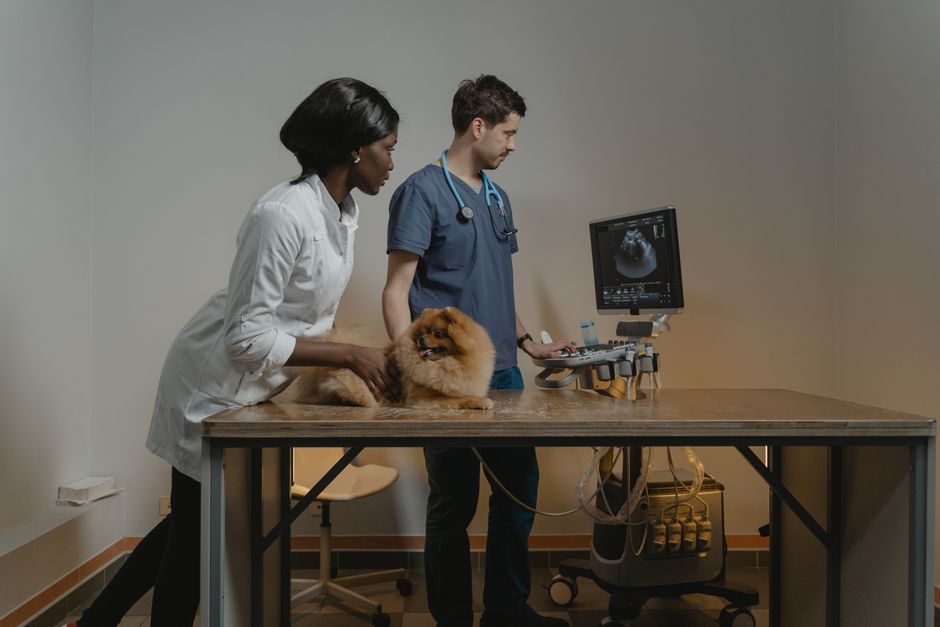
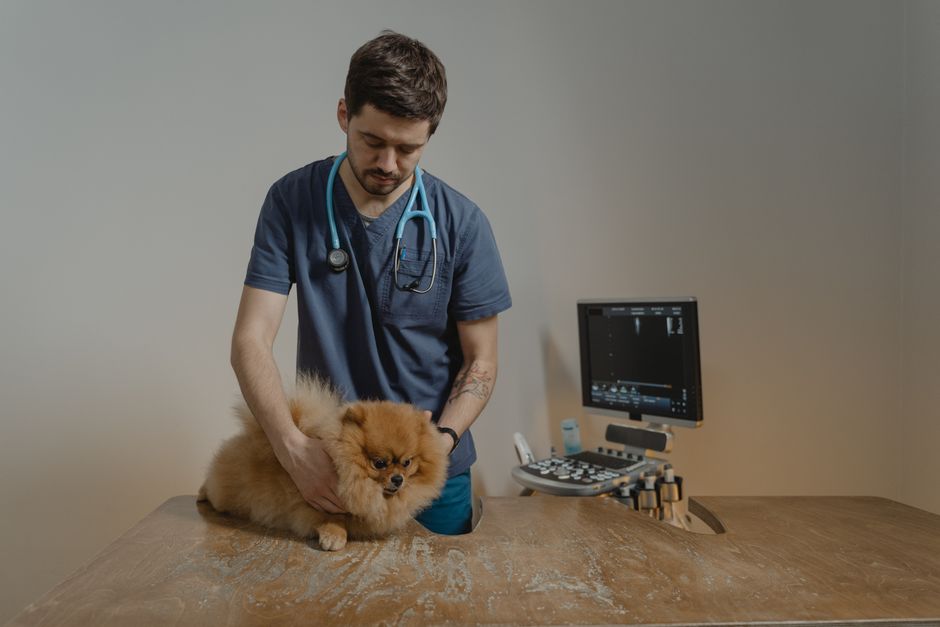
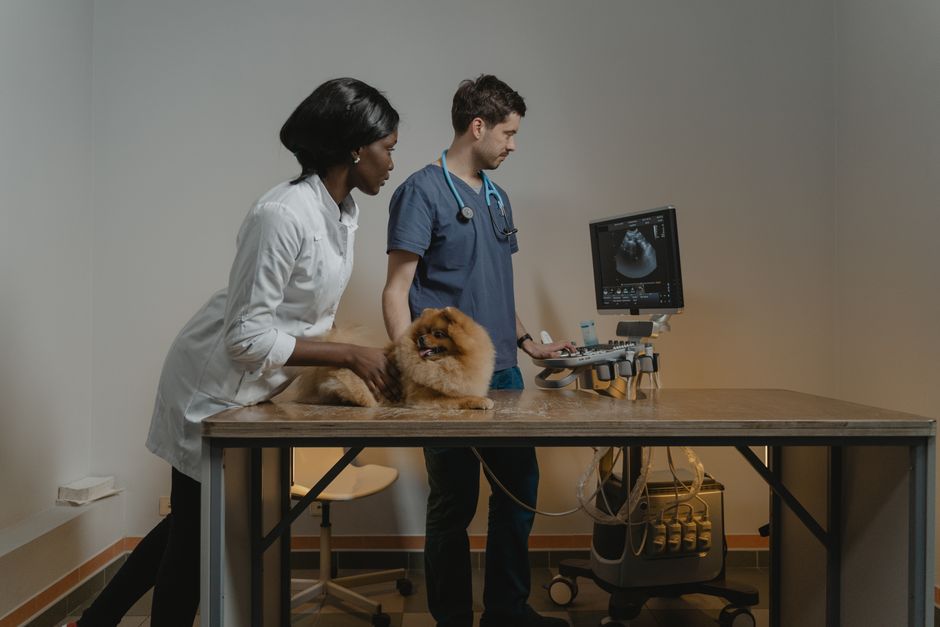
An echocardiogram is a specialized ultrasound that allows us to see the heart in motion. This test shows the size, shape, and function of the heart’s chambers and valves, helping us detect conditions like valve disease, cardiomyopathy, congenital defects, or fluid around the heart. Echocardiograms are non-invasive and painless, making them a safe option for even the most anxious pets. To learn more about what’s involved in this process, visit our page on echocardiogram ultrasounds for pets.
Electrocardiograms (ECG or EKG) record the electrical activity of the heart. This test is especially useful for detecting abnormal rhythms, known as arrhythmias, which may cause fainting, weakness, or sudden episodes of collapse. An ECG can help differentiate between heart-related and non-cardiac causes of these symptoms. For a deeper look at how this service works, explore our advanced heart rhythm screening services for pets.
Sometimes, your veterinarian may recommend a Holter monitor, which tracks your pet’s heart rhythm over 24 hours or longer while they go about daily activities. This helps detect intermittent problems that may not show up during a brief clinic visit.
What to Expect: The Heart Imaging Process for Your Pet
At 4 Paws Imaging FL, we want to make the imaging experience as stress-free as possible for both pets and their owners. Once your family veterinarian refers your pet to us, our veterinary team will schedule an appointment and review your pet’s health history. On the day of the imaging study, your pet will be gently positioned on a padded table, and in most cases, sedation is not required.
For echocardiograms, a small area of fur may be shaved to allow the ultrasound probe to make good contact with the skin. Gel is applied to improve image quality. The entire process usually takes 30 to 60 minutes. During an electrocardiogram, small electrodes are placed on your pet’s skin to record heart activity, a procedure that is quick and completely painless. Holter monitors are fitted with minimal discomfort, and your pet can return home with the device for the monitoring period.
After the imaging study, our board-certified specialists review and interpret the results, providing a detailed report to your veterinarian. This collaborative approach ensures that your pet receives the most accurate diagnosis and the best possible treatment plan. Our goal is to support your primary care veterinarian and give you peace of mind, especially during the summer when heart concerns are most pressing.
Keeping Your Pet’s Heart Healthy at Home
While advanced imaging is essential for diagnosing heart disease, there are practical steps you can take at home to minimize stress on your pet’s heart during Florida’s summer. Ensure your dog or cat always has access to fresh, cool water and a shady, air-conditioned space to escape the heat. Avoid exercising your pet during the hottest part of the day; opt for early morning or late evening walks and play sessions.
Maintain your pet’s healthy weight, since excess body fat puts additional strain on the heart. Monitor for any changes in breathing, appetite, or activity level, and keep up with regular veterinary checkups. If your pet is on heart medication, follow dosing instructions carefully and never adjust medications without consulting your veterinarian. For breeds prone to heart issues, discuss with your vet if routine heart screenings or imaging might be beneficial, even before symptoms appear.
When to Seek Advanced Heart Imaging for Your Pet
Knowing when to pursue specialty imaging can be challenging for pet owners. If your dog or cat is showing symptoms such as persistent coughing, difficulty breathing, fainting, or a rapid decline in energy, it’s time to consult your family veterinarian promptly. Your primary veterinarian will perform an initial exam and may recommend advanced tests if a heart problem is suspected.
You should also consider heart imaging if your pet has a known heart murmur, is part of a high-risk breed, or if your veterinarian has detected abnormal findings during a routine checkup. Imaging is especially critical if your pet is scheduled for surgery or anesthesia and there are any concerns about underlying heart disease.
At 4 Paws Imaging FL, our veterinary imaging team is dedicated to providing timely, detailed results to help your veterinarian make informed decisions. Our advanced technology and specialist expertise mean your pet receives the highest standard of care, right here in Casselberry.
Why Choose a Specialty Imaging Practice for Your Pet’s Heart Health
Specialty imaging practices like 4 Paws Imaging FL are uniquely equipped to provide the depth of expertise needed for complex heart cases. Our board-certified specialists focus exclusively on diagnostic imaging, ensuring that every ultrasound, echocardiogram, and electrocardiogram is interpreted with the highest level of accuracy. While your family veterinarian is your pet’s primary healthcare provider, specialty practices offer the tools and knowledge to diagnose subtle or advanced heart problems, supporting the best possible outcomes.
We work closely with local veterinary clinics throughout Casselberry and surrounding communities, providing consultation and imaging that complement your pet’s ongoing care. By choosing a specialty practice, you are investing in comprehensive, collaborative care for your dog or cat—especially during the demanding summer season.
Compassionate, Local Expertise to Keep Your Pet’s Heart Strong
Florida’s summer weather can be unforgiving, but with the right knowledge and support, you can help your pet thrive even on the hottest days. If you notice any concerning changes in your dog or cat’s breathing, energy, or behavior, talk to your family veterinarian about whether advanced heart imaging might benefit your pet. Our team at 4 Paws Imaging FL is here to provide the expertise and technology you need for peace of mind.
Whether you are searching for a cardiology vet near me or want the confidence of board-certified results, our veterinary imaging team is ready to help. Schedule an appointment at our Casselberry office by calling (321) 343-4758, or ask your family veterinarian about a referral. Learn more about our echocardiogram ultrasounds for pets and advanced heart rhythm screening services for pets on our website. Let us help you keep your pet’s heart healthy all summer long.
This blog is for informational purposes only and is not a substitute for professional veterinary advice. Always consult your veterinarian for any health concerns about your pet.