Do Cats and Dogs Need Cardiac Imaging in Humid Weather?

Do Cats and Dogs Need Cardiac Imaging in Humid Weather?
Florida’s September humidity is no stranger to pet owners in Casselberry and the surrounding communities. While the heat may feel like a simple inconvenience, for many cats and dogs, this combination of heat and high humidity can place additional strain on their hearts—especially if an underlying cardiac condition exists. If your family veterinarian has voiced concerns about your pet’s heart health or recommended advanced cardiac diagnostics, you might wonder whether seasonal weather truly makes a difference, and how specialized imaging can help. At 4 Paws Imaging FL, located at 195 Concord Dr, Casselberry, FL 32707, our team of board-certified specialists provides advanced ultrasounds, echocardiograms, and electrocardiograms exclusively for dogs and cats. In this blog, we’ll explore how humid weather impacts pet heart health, which signs may suggest a need for cardiac imaging, and why a referral to our specialty practice can make all the difference for your companion’s diagnosis and ongoing care.
Recognizing Heart Stress in Pets During Humid Weather
Florida’s late summer and early fall weather can be especially challenging for pets with known or developing heart conditions. Some dogs and cats may handle the heat well, but others start to show subtle or even dramatic changes in their energy and breathing as the humidity rises. Understanding the signs of heart trouble in your pet is the first step toward getting the care they need.
Warning Signs Your Pet May Have a Heart Problem
Symptoms that often prompt concern include increased or labored breathing, sudden fatigue during play or walks, coughing (especially at night or after lying down), decreased appetite, or a bluish tint to the gums and tongue. In some cases, more urgent signs such as fainting, collapsing, or persistent weakness develop, especially in dogs with undiagnosed cardiac disease. Cats may be even more subtle, sometimes only showing rapid or shallow breaths, hiding more than usual, or being less playful. If you notice your dog is panting excessively or has trouble catching their breath, or your cat’s breathing seems unusual, a referral for advanced cardiac imaging may be warranted. For more detailed guidance on recognizing these symptoms in dogs, see our resource on panting or difficulty breathing in dogs, and for cats, our page on rapid or labored breathing in cats.
Why Does Humid Weather Affect Heart Health?
Hot, muggy days do more than make us sweat; they can make it harder for cats and dogs to cool themselves. Unlike humans, pets primarily regulate their body temperature through panting and a small amount through their paw pads. When the air is thick with moisture, panting becomes less effective, so the heart must work harder to circulate blood and aid in heat loss. For animals with healthy hearts, this added workload may be manageable, but for those with heart murmurs, arrhythmias, or cardiomyopathy, the extra strain can lead to exacerbated symptoms or even dangerous complications.
Pre-Existing Heart Conditions and Weather Challenges
Some breeds are more prone to heart problems, including older dogs, small breeds like Cavaliers or Dachshunds, and certain cats such as Maine Coons or Ragdolls. However, any dog or cat with a previously identified heart murmur, irregular heartbeat, or a history of fainting is at higher risk for complications during humid months. The stress of Florida’s climate can unmask previously silent cardiac conditions, which is why your veterinarian may recommend an echocardiogram or additional heart screening as the seasons change.
The Role of Cardiac Imaging: Ultrasounds, Echocardiograms, and More
When a general practice veterinarian detects a heart murmur, arrhythmia, or unusual symptoms, they will often refer your pet to a specialty practice like 4 Paws Imaging FL for advanced diagnostics. Our team offers state-of-the-art imaging techniques that provide a clear picture of your pet’s cardiac health.
What to Expect from an Echocardiogram or Cardiac Ultrasound
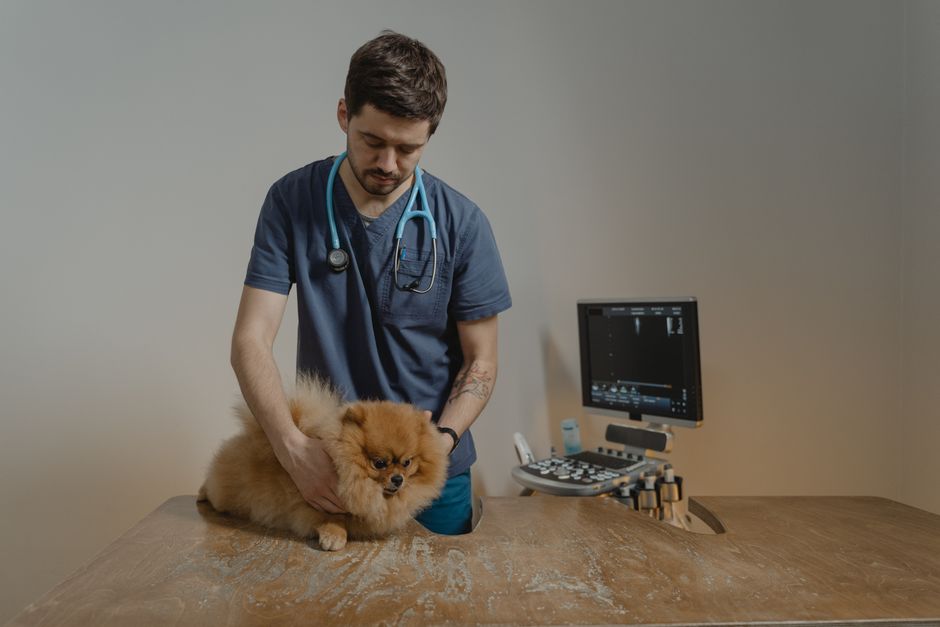
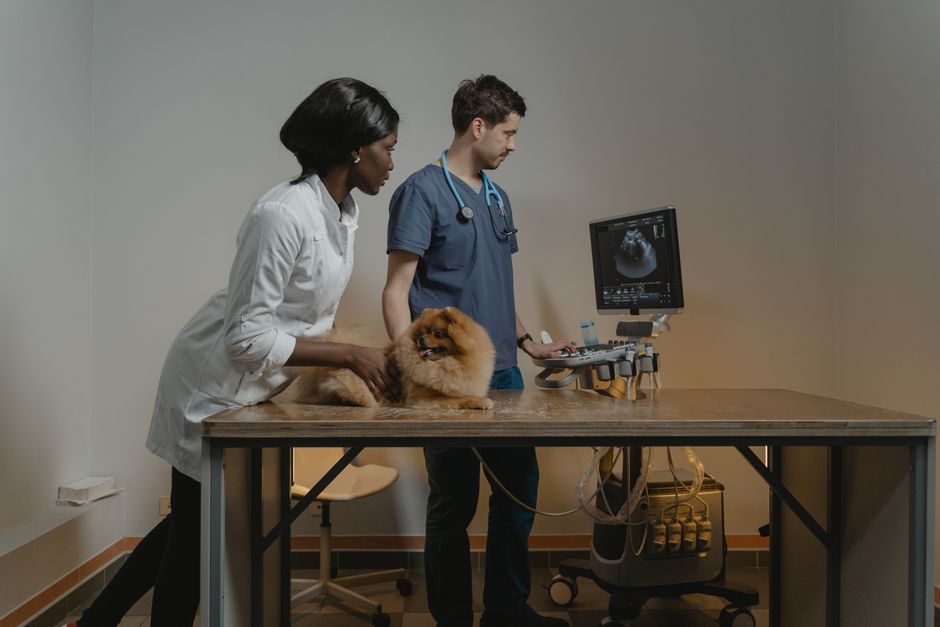
An echocardiogram is a specialized ultrasound that allows our board-certified specialists to visualize the heart’s chambers, valves, and blood flow in real time. This non-invasive test can identify structural abnormalities, measure heart size, detect valve issues, and assess overall cardiac function. For many pets, this is the gold standard for diagnosing heart disease and determining whether medication or lifestyle changes are needed. If your pet’s veterinarian has noted a heart murmur, you may find it helpful to read more about when dogs with a heart murmur need advanced evaluation or when cats with a heart murmur require further diagnostics.
Electrocardiograms and Holter Monitors: Assessing Heart Rhythm
For pets with arrhythmias or fainting episodes, an electrocardiogram (ECG or EKG) records the electrical activity of the heart and can reveal abnormal rhythms or conduction problems. This test is quick and completely painless, often performed while your pet is awake and calm. In cases where irregularities are intermittent, a Holter monitor—a portable, wearable device—may be recommended to record heart rhythms over 24 to 48 hours during your pet’s normal activities. More information about our electrocardiogram services and Holter monitor evaluations is available for pet owners seeking to understand these advanced diagnostic options.
How Cardiac Imaging Guides Treatment and Improves Outcomes
The primary goal of advanced cardiac imaging is to provide a precise diagnosis. With detailed images and rhythm assessments, your pet’s care team—including your family veterinarian and our board-certified specialists—can tailor a treatment plan that best fits your pet’s needs.
Building a Personalized Heart Health Plan
Treatment recommendations for heart conditions in cats and dogs are highly individualized. If imaging reveals mild changes, your veterinarian may suggest monitoring, lifestyle adjustments, or a change in activity level during hot weather. For more significant findings, medications such as diuretics, ACE inhibitors, or antiarrhythmic drugs may be prescribed, all based on the imaging results and specialist interpretation. In some cases, dietary modifications or periodic rechecks with repeat imaging are advised to monitor progression. Early diagnosis through echocardiograms or ECGs not only helps manage symptoms but can significantly improve both quality and length of life for your pet.
Keeping Your Pet’s Heart Healthy at Home
While advanced diagnostics play a critical role, there are practical steps you can take to support your cat or dog’s heart health—especially during Florida’s humid season.
Practical Home Strategies for Heart Health
Keeping your pet indoors during the hottest parts of the day, ensuring clean water is always available, and curtailing vigorous exercise on muggy afternoons are key strategies. Monitoring for changes in breathing or energy and following your veterinarian’s advice regarding medications and diet can make a substantial difference. If your pet is already on a heart medication, give it exactly as prescribed and do not change dosages or stop medicines without veterinary guidance. Maintaining regular wellness visits with your general veterinarian is also essential, as routine examinations and listening for new murmurs or arrhythmias can lead to timely referrals for advanced cardiac imaging.
When to Seek Advanced Cardiac Imaging for Your Pet
Knowing when to request a referral for specialized heart diagnostics can feel overwhelming. As a pet owner, you know your dog or cat’s normal habits and energy levels best. Trust your instincts if something feels off.
When a Referral to 4 Paws Imaging FL Is Needed
Seek prompt veterinary attention if your pet is experiencing symptoms such as difficulty breathing, sudden weakness, coughing that does not resolve, fainting, or a rapid decline in activity. General practitioners may refer your pet for a cardiac ultrasound, echocardiogram, or heart rhythm evaluation if they detect a new murmur, suspect heart disease, or need more information before anesthesia. Our pre-anesthetic cardiac screening page offers more insight into why your veterinarian might recommend advanced imaging before certain procedures.
If your pet suddenly collapses or loses consciousness, this is a medical emergency—seek immediate veterinary care and follow your veterinarian’s guidance regarding referral for advanced diagnostics. You can find more information about fainting or collapsing in dogs and fainting or collapsing in cats on our website.
Cardiac Imaging Near Me: Your Local Resource for Pet Heart Health
Humidity and heat in Casselberry can create hidden challenges for cats and dogs with underlying heart conditions, but you are not alone in keeping your pet safe and comfortable. With advanced imaging services provided by 4 Paws Imaging FL, you have access to specialized diagnostics right here in your community. When searching for a cardiac vet near me, look for a practice with board-certified specialists, state-of-the-art equipment, and close collaboration with your family veterinarian.
If your pet has been referred for an echocardiogram, cardiac ultrasound, electrocardiogram, or Holter monitor, our team of veterinary professionals is ready to help. We work closely with you and your primary veterinarian to ensure your dog or cat receives the most accurate diagnosis and the best possible care. To schedule a referral appointment or learn more about our imaging services, contact 4 Paws Imaging FL at (321) 343-4758 or visit us at 195 Concord Dr, Casselberry, FL 32707. Your pet’s heart health matters—let us be your trusted partner in advanced cardiac diagnostics.
This blog is intended for informational purposes only. If your pet is experiencing sudden breathing difficulty, collapse, or other urgent symptoms, seek immediate veterinary care. Always consult your primary veterinarian for individualized medical advice and referrals for advanced diagnostics.