Understanding Holter Monitors: How 4 Paws Imaging FL Assesses Arrhythmias
Understanding Holter Monitors: How 4 Paws Imaging FL Assesses Arrhythmias
When your pet begins showing signs of heart trouble, it can be an overwhelming and confusing time. You might notice your dog suddenly slowing down on walks, or your cat experiencing episodes of weakness or collapse. As a pet owner in Casselberry and surrounding communities, you want answers that lead to targeted care and peace of mind. At 4 Paws Imaging FL, our specialty veterinary professionals are dedicated to providing advanced cardiac diagnostics, including Holter monitors for pets, right here at our Casselberry location.
If your general practice veterinarian suspects your pet may have a cardiac arrhythmia, they may refer you to us for specialized testing. In this post, we’ll explain what Holter monitors are, how they play a crucial role in pet arrhythmia diagnosis, and what you can expect if your pet needs this advanced service. You’ll also discover why choosing a cardiology vet near me—like 4 Paws Imaging FL—ensures your companion receives the expert assessment they deserve. For those searching for cardiac vet services in Casselberry, our team is here to help you understand this important diagnostic tool and how it supports your pet’s health journey.
If you’re interested in learning more about our Holter monitoring or want to get started, you can explore our Holter Monitors service for assessment of pet cardiac arrhythmias for additional details.
Recognizing the Signs: When Might Your Pet Need a Holter Monitor?
Cardiac arrhythmias in pets can be subtle or dramatic, depending on the underlying cause and severity. Recognizing the signs early is key to ensuring your pet receives the specialized care they need. For many families in Casselberry, pet arrhythmia diagnosis begins with noticing changes in behavior or energy levels.
Common symptoms that may indicate a heart rhythm abnormality include episodes of fainting or collapse, unexplained weakness, persistent coughing, sudden fatigue during walks, or even intermittent rapid or irregular heartbeats you can feel when petting your dog or cat. Some pets might display restlessness, labored breathing, or seem to tire more quickly in the Florida heat. In certain cases, arrhythmias are only discovered during a routine physical exam when a general practice veterinarian detects an abnormal heart rhythm.
If you notice any of these warning signs or if your veterinarian has mentioned concerns about your pet’s heart, it’s important to pursue a thorough evaluation with a specialist. Holter monitors for pets in Casselberry allow for a detailed, real-time look at your pet’s heart function, often capturing arrhythmias that may be missed during a brief clinic visit.
Understanding Arrhythmias: Causes and Background
Arrhythmias are disturbances in the regular rhythm of the heart, and they can occur for a variety of reasons. In dogs and cats, arrhythmias may stem from congenital conditions, acquired heart disease, electrolyte imbalances, systemic illnesses, or even as a side effect of certain medications. Some breeds, such as Boxers and Doberman Pinschers, are genetically predisposed to specific types of arrhythmias, which makes routine cardiac monitoring especially important.
The heart’s electrical system is responsible for maintaining a steady, coordinated beat. When there is a disruption—whether from disease, degeneration, or injury—the resulting irregularities can affect your pet’s ability to pump blood efficiently. This can lead to decreased oxygen delivery to vital organs, which is why timely pet arrhythmia diagnosis in Casselberry and surrounding areas is so critical.
Holter monitors provide an extended, 24 to 48-hour window into your pet’s cardiac rhythm, offering a more comprehensive assessment than a standard in-clinic electrocardiogram. For those seeking a cardiology veterinarian near me, understanding the underlying cause of your pet’s arrhythmia is essential for determining the most effective treatment plan.
How Holter Monitors for Pets Work: The Process at 4 Paws Imaging FL
Holter monitors are specialized, portable devices designed to continuously record your pet’s heart rhythm over an extended period—typically 24 to 48 hours. Unlike a standard electrocardiogram, which takes a brief snapshot, Holter monitoring allows your veterinary team to see how your pet’s heart behaves during normal daily activities, sleep, and episodes of excitement or stress.
What to Expect During Holter Monitoring
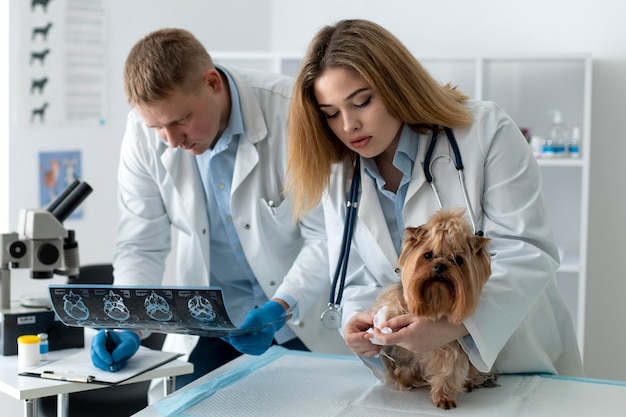
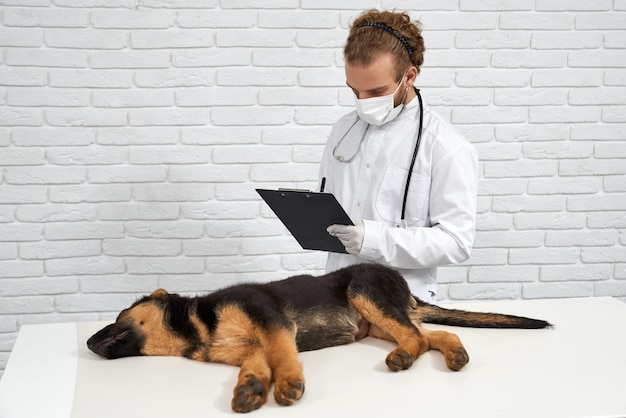
When your pet is referred to 4 Paws Imaging FL for Holter monitoring, our veterinary professionals will begin by gently attaching small adhesive electrodes to your pet’s chest, which are connected to a lightweight recording device. This device is securely fitted with a vest or wrap, ensuring your pet remains comfortable and able to move freely throughout the monitoring period. You’ll receive instructions on how to care for your pet during this time, including keeping the device dry and minimizing rough play.
Throughout the monitoring period, the Holter device records every heartbeat, capturing both normal and abnormal rhythms. This data is later analyzed by a board-certified veterinary cardiologist, providing a detailed report that helps guide further management. The process is non-invasive and does not require sedation, making it a safe and effective option for most pets.
If you’re interested in the technical details or want to begin the process, you can review our Holter Monitor Application patient history form to prepare for your visit.
Integrating Holter Monitoring with Other Cardiac Diagnostics
In some cases, Holter monitoring is used alongside other advanced diagnostics such as echocardiograms and in-clinic electrocardiograms. While Holter monitors excel at capturing intermittent arrhythmias, echocardiogram ultrasound screenings for pets allow our veterinary team to assess heart structure and function in real-time. Meanwhile, electrocardiogram (ECG) services for cardiac evaluation in pets are often used for immediate rhythm assessment in the clinic. Combining these tools allows for the most accurate and comprehensive pet arrhythmia diagnosis in Casselberry.
Managing and Treating Arrhythmias: What Happens After Diagnosis?
Once the Holter monitor data has been collected and analyzed, your referring veterinarian and our team at 4 Paws Imaging FL will discuss the findings with you. The treatment plan for arrhythmias will vary depending on the type and severity of the irregular heartbeat, as well as your pet’s overall health and lifestyle.
Treatment options may involve prescribing antiarrhythmic medications, adjusting existing therapies, or in some cases, recommending further advanced cardiac procedures. For certain breeds or high-risk pets, regular Holter monitoring may be advised to track progression or response to therapy. Our specialty team will work closely with your primary care veterinarian to ensure coordinated, individualized care.
Throughout this process, our goal is to maximize your pet’s quality of life and provide you with the information and support you need to make confident decisions. By choosing a specialist vet near me with expertise in advanced cardiac diagnostics, you are giving your pet access to the latest technology and collaborative care in Casselberry.
Supporting Your Pet at Home: Steps You Can Take
While Holter monitoring and arrhythmia management require veterinary guidance, there are several ways you can support your pet’s heart health at home. Regular exercise appropriate for your pet’s age and condition, a balanced diet, and prompt attention to any changes in energy, breathing, or behavior all play a key role. Keeping up with routine wellness visits and following your veterinarian’s recommendations for medication or further testing ensures that any new or worsening symptoms are addressed quickly.
If your pet is scheduled for Holter monitoring, your participation is crucial. Carefully follow instructions about keeping the device dry and secure, and maintain a diary of your pet’s activities or any unusual events during the monitoring period; this information helps our veterinary cardiologists interpret the results accurately. Remember, open communication with your veterinary team is essential for the best possible outcome.
When to Seek Veterinary Care: Acting Early for Heart Health
Any time you notice fainting, sudden weakness, severe coughing, difficulty breathing, or unexplained behavioral changes in your pet, it is important to consult your veterinarian promptly. These signs could indicate a serious arrhythmia or another underlying health issue. If your primary care veterinarian identifies a heart rhythm abnormality, they may refer you to a cardiology veterinarian near me or directly to 4 Paws Imaging FL for advanced testing.
Time is of the essence when it comes to heart problems in pets. Early detection and intervention can mean the difference between a manageable condition and a life-threatening emergency. If you are in Casselberry or nearby communities and searching for Holter monitors for pets near me, our specialty veterinary professionals are here to provide the expert assessment and support your pet needs.
Trust 4 Paws Imaging FL for Advanced Pet Arrhythmia Diagnosis in Casselberry
Your pet’s heart health deserves the highest level of expertise and technology. At 4 Paws Imaging FL, our veterinary professionals are proud to serve Casselberry and the surrounding communities as the trusted referral destination for advanced cardiac diagnostics. From Holter monitors for pets in Casselberry to comprehensive cardiac imaging, we work closely with your primary care veterinarian to ensure seamless, targeted care.
If you suspect your pet may be at risk for arrhythmias or have been referred for advanced testing, reach out to our compassionate team today. We are committed to making the process as comfortable and informative as possible, guiding you every step of the way. To learn more about our specialized Holter Monitors service for assessment of pet cardiac arrhythmias or to discuss your pet’s case, call us at (321) 343-4758. You can also visit our Casselberry location for expert assistance from a specialist vet near me.
Remember, early pet arrhythmia diagnosis in Casselberry can make all the difference for your companion’s long-term wellbeing. Let our veterinary team at 4 Paws Imaging FL help you navigate this journey with confidence, compassion, and the highest standard of care.
This blog is intended for informational purposes only and should not be considered a substitute for professional veterinary advice. If you have concerns about your pet’s health, please consult your primary care veterinarian or a board-certified specialist.